
Most homeowners in the GTA obsess over their windows and gutters while completely ignoring the coach lights mounted beside their front door and garage. Those fixtures sit at eye level, greet every visitor and delivery driver who approaches the house, and yet they routinely go years without a proper clean. If you have ever booked a window cleaning Oakville package and felt like something still looked off about the front of the house afterward, there is a strong chance the culprit is a pair of oxidized, web-caked coach lights dragging the whole look down. Coach light cleaning in the GTA is not a luxury add-on. It is the missing piece of a complete home exterior detail.
Table of Contents
- Quick Takeaways
- Why Coach Lights Get Ignored in Every Exterior Cleaning Checklist
- What Actually Builds Up on Coach Lights Over a Season
- Oxidation: The Silent Fixture Killer Most Homeowners Miss
- Coach Light Cleaning Methods Compared
- How Coach Lights Fit Into a Full Home Exterior Detail Cleaning
- DIY vs. Professional Coach Light Cleaning: What Actually Gets Done
- Frequently Asked Questions
- References
Quick Takeaways
| Key Insight | Explanation |
|---|---|
| Coach lights attract pests year-round | Outdoor lights draw flying insects, which in turn attract spiders that build webs directly on and around the fixture. This cycle repeats every season without intervention. |
| Oxidation dulls fixtures faster than dirt alone | Metal coach light housings, particularly those with brass, copper, or aluminum finishes, oxidize when moisture and dirt are left to sit, turning a polished fixture into a chalky, dull one. |
| Twice-yearly cleaning is the practical minimum | Cleaning outdoor fixtures at least twice a year, typically in spring and autumn, prevents buildup from becoming permanent discoloration or corrosion. |
| Coach lights undermine an otherwise clean exterior | Freshly washed windows and clean siding are visually canceled out by grimy, web-covered coach lights at the entryway. The fixture is the focal point of the front entrance. |
| Protective wax extends time between cleanings | Applying a thin layer of car wax to metal surfaces after cleaning protects against moisture and environmental buildup, reducing how quickly grime returns. |
| GTA pollution accelerates fixture deterioration | High-traffic and urban environments like the GTA produce particulate matter that settles on outdoor fixtures faster than in rural settings, making regular cleaning more important. |
| Coach light cleaning pairs naturally with spider spray | Because insects and spiders congregate at light fixtures, combining a professional clean with a spider deterrent treatment keeps fixtures cleaner for longer. |
Why Coach Lights Get Ignored in Every Exterior Cleaning Checklist
There is a predictable pattern to how homeowners prioritize exterior maintenance. Windows come first because the streaks are obvious from inside. Gutters come next because a clogged eavestrough causes real water damage. Driveways and walkways get power washed when they look bad enough to embarrass. Coach lights never make the list because they are easy to mentally edit out. They are always there. The eye stops registering them.
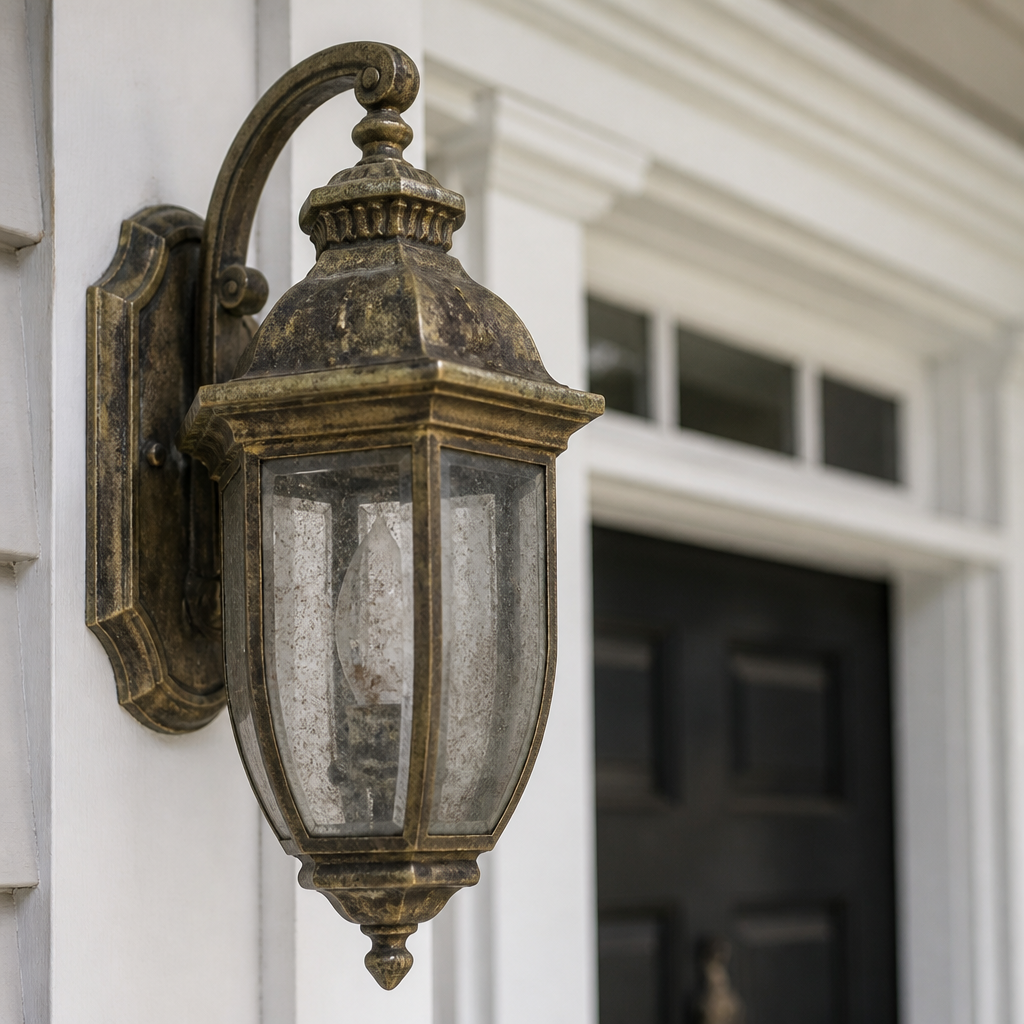
That familiarity is exactly why they get neglected. A homeowner walking past their front entrance every day stops noticing the dead moths inside the glass globe, the spiderweb latticed across the bracket, or the dull chalky film where the fixture’s finish used to shine. A first-time visitor notices all of it immediately. Real estate agents know this. Property managers know this. Anyone doing a home exterior detail cleaning professionally knows that the coach light is often the most telling indicator of how long since the exterior was last properly serviced.
The other reason coach lights get skipped is that they sit in a gap between trades. A window cleaner’s scope ends at the glass. A power washer’s scope ends at the hard surfaces. Nobody explicitly owns the coach light. Unless you are working with a company that takes a whole-exterior approach, these fixtures fall through every checklist.

What Actually Builds Up on Coach Lights Over a Season
Understanding what accumulates on a coach light explains why a simple wipe-down is rarely enough. The buildup is layered, and each layer has a different composition that requires a different approach to remove properly.
Spider Webs and Insect Debris
Flying insects are attracted to outdoor lighting, and those insects become a reliable food source for spiders gathering near the fixture. The result is a consistent cycle: the light draws moths and gnats, spiders move in, and the fixture becomes both a web anchor and a graveyard for dead insects. Wiping the glass once removes the surface layer, but the bracket arms, the canopy at the top of the fixture, and the underside of any decorative cage all retain packed debris that a casual pass misses entirely.
Spiderweb filaments also collect airborne dust and pollen. Over time, what started as a light silk thread becomes a dense mat of grey debris that is genuinely difficult to remove without proper tools and technique.
Road Grime, Pollen, and Urban Particulates
In GTA communities like Oakville, Mississauga, and Hamilton, coach lights face a constant stream of road particulates from nearby traffic. Pollen seasons in Ontario add a visible yellow-green film across all exterior surfaces. These fine particles mix with moisture from rain and morning dew to form a sticky residue that bonds to both the glass globe and the metal housing. Once baked on through summer heat, this film does not come off with water alone.
Regularly wiping down outdoor lights to remove dust, dead bugs, and residue is one of the most effective ways to prevent the kind of buildup that requires serious effort to reverse. The longer the interval between cleanings, the more aggressive the cleaning process needs to be.
Oxidation: The Silent Fixture Killer Most Homeowners Miss
Grime is visible. Oxidation is more insidious. Many homeowners assume their coach lights just look dated, when in reality the fixture’s metal finish has been chemically altered by moisture and oxygen. The original shine is not worn away. It is locked under a layer of oxidation that can be reversed if caught in time and becomes permanent surface damage if ignored too long.
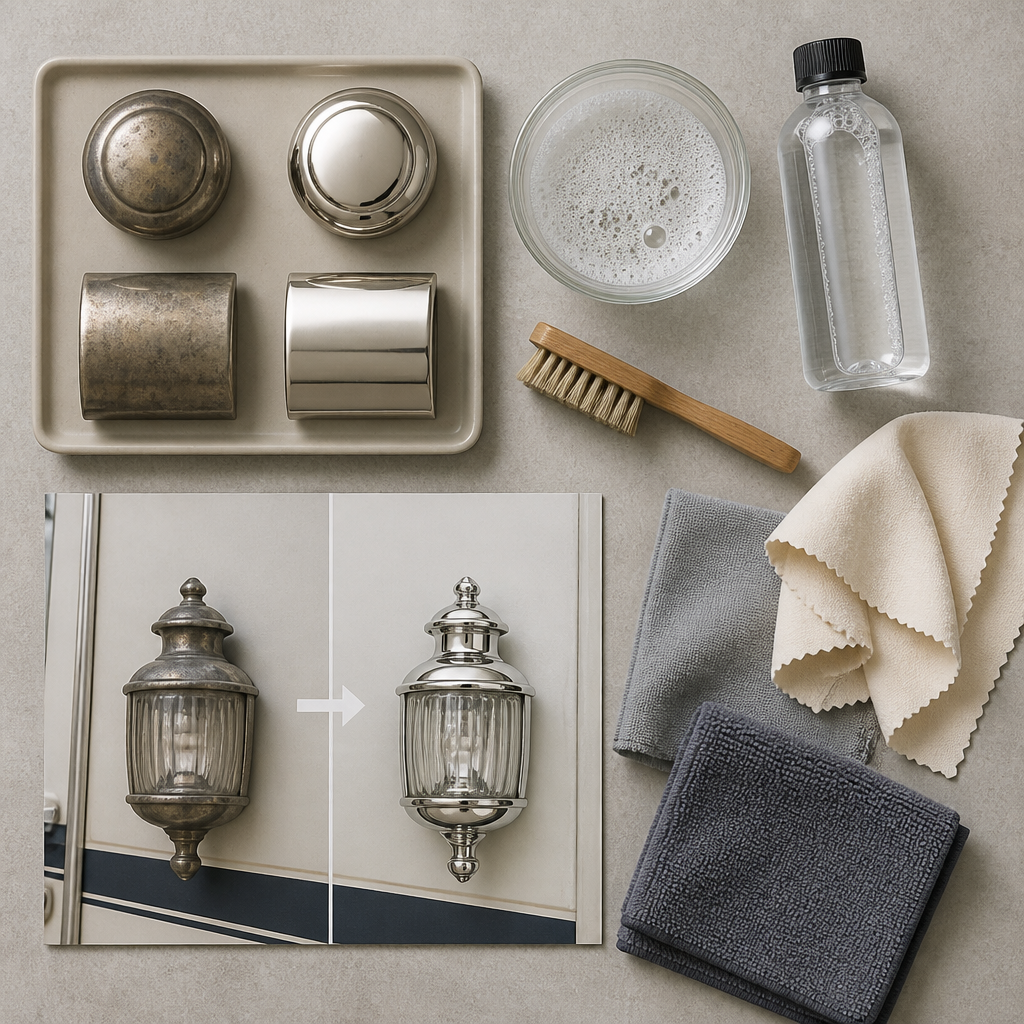
Different metals oxidize differently and require different treatments. Aluminum, which is common in modern outdoor fixtures because of its light weight and corrosion resistance, responds well to white vinegar solutions. Brass and copper finishes polish best with mildly acidic cleaners like a lemon and salt mixture. Stainless steel requires gentler, non-abrasive cleaners to preserve the protective chromium layer that gives it its rust resistance. Using the wrong cleaner on the wrong finish is a common mistake that removes the protective coating rather than restoring it.
Cleaning oxidation on a dirty fixture is like polishing muddy shoes. The surface contamination must be fully removed first, or the treatment works against itself.
The practical takeaway: always complete a thorough surface cleaning before attempting any oxidation treatment. Skipping that step means the acidic solution or polish is working through a layer of grime rather than contacting the metal directly. The result looks better for a week and then returns to its previous state because the underlying oxidation was never actually addressed.
After cleaning and treating oxidized metal, applying a thin layer of car wax or a clear protective lacquer designed for outdoor use creates a barrier against the elements. This is the step most DIY attempts skip, and it is the step that determines whether the fixture looks good for three months or three weeks.
Coach Light Cleaning Methods Compared
Not every approach to coach light cleaning delivers the same result. The method matters as much as the frequency, and choosing the wrong one for your fixture type can cause more damage than doing nothing.
| Method | Best For | Key Limitation |
|---|---|---|
| Soap and warm water wipe-down | Routine surface cleaning of painted or powder-coated fixtures every few months | Does not address oxidation or deeply embedded grime. Requires frequent repetition to stay ahead of buildup. |
| Vinegar and water solution (equal parts) | Removing oxidation from aluminum and uncoated metal fixtures. Apply, let sit for 15 minutes, scrub gently, rinse. | Damaging to painted, lacquered, or powder-coated finishes. Must confirm finish type before use. |
| Professional exterior detail cleaning (whole-fixture service) | Full restoration of heavily neglected fixtures, including bracket arms, canopy, glass globe, and surrounding siding. Combined with spider deterrent treatment. | Requires scheduling, but delivers a result that holds longer and avoids finish damage from incorrect DIY chemistry. |
Pro tip: Never use abrasive scrubbers on any coach light fixture. Too much mechanical force removes protective coatings and leaves the bare metal exposed to accelerated corrosion. A soft microfiber cloth or a soft-bristled brush is the correct tool in every case.
How Coach Lights Fit Into a Full Home Exterior Detail Cleaning
The strongest argument for treating coach light cleaning as part of a package rather than a standalone task is that the same conditions that dirty your coach lights are dirtying everything else on your home’s exterior at the same time. Pollen, spider activity, road grime, and organic buildup do not confine themselves to one surface. They hit the windows, the siding, the eaves, the entrance, and the light fixtures all at once.
A well-structured home exterior detail cleaning handles these surfaces in sequence. Window cleaning removes the film from the glass. Gutter and eavestrough cleaning clears the debris from above. Siding cleaning removes the organic film from the walls. Coach light cleaning, done as part of that sequence, addresses the entryway fixtures that tie the whole exterior together. When one of these elements is skipped, the finished result always looks incomplete.
The Entryway as the First Impression Zone
The area immediately surrounding a home’s front entrance carries disproportionate visual weight. A potential buyer, a client arriving for a meeting, or a neighbor walking past will register the front door, the coach lights flanking it, and the immediate siding and trim before anything else. Clean windows are appreciated, but they are not the first thing the eye lands on from street level. The coach lights are.
For property managers and real estate agents working with homes across the GTA, this is not abstract. A property that shows well at the front entrance commands a better first impression regardless of what the interior looks like. Coach lights are a small fixture with outsized visual impact at that critical first moment.
Pairing Coach Light Cleaning With Spider Spray
One of the most practical improvements in whole-exterior servicing is combining coach light cleaning with a spider deterrent application. Because insects are drawn to light and spiders follow the insects, a freshly cleaned fixture will begin attracting new webs within weeks if nothing is done to disrupt the cycle. Spraying a spider deterrent around the fixture after cleaning extends the window of time before webs return, making the clean last noticeably longer.
Pro tip: After a professional clean, you can extend time between services by dusting fixtures regularly with a dry microfiber cloth and inspecting monthly for early signs of rust, web formation, or moisture intrusion at the bulb socket. Catching small problems early prevents them from becoming full restoration jobs.
DIY vs. Professional Coach Light Cleaning: What Actually Gets Done
The honest answer to the DIY versus professional question depends on what result you actually want and how neglected the fixture is. For a coach light that gets cleaned twice a year on a consistent schedule, a careful DIY approach using the right products for the metal type is perfectly adequate for maintenance. For a fixture that has not been properly cleaned in two or more years, DIY rarely recovers the finish fully because the oxidation and chemical bonding require more aggressive treatment and the right technique to avoid damaging the finish in the process.
There is also the practical matter of what a DIY clean actually covers. Most homeowners wipe the glass globe, maybe knock down the visible webs, and consider the job done. The canopy at the top of the fixture, the underside of the bracket arms, the area where the fixture mounts to the siding, and the immediate surrounding siding panel are almost never touched. A professional exterior detail service addresses all of those areas as part of the same visit because the point of the work is a complete result, not a surface pass.
For a window cleaning Oakville package that includes coach light cleaning, eaves cleaning, siding hand-washing, gutter service, and spider spray in a single visit, the value calculation shifts clearly in favor of professional service. The time savings alone make the case, and the finish quality on restored oxidized fixtures is simply not achievable with household products and a step stool.
The standard for how often coach lights need professional attention is the same as for other outdoor fixtures: at least twice a year is the practical baseline, with more frequent attention warranted in areas with heavy tree coverage, high pollen output, or significant road traffic nearby. In GTA communities, that means most homes benefit from a spring service after winter grime has settled and an autumn service before the fixtures spend the winter trapping moisture against already-compromised finishes.
Frequently Asked Questions
What is coach light cleaning and why does it matter for curb appeal?
Coach light cleaning refers to the thorough cleaning of the decorative outdoor light fixtures mounted at a home’s entrance, including the glass globe, metal housing, bracket arms, and surrounding mounting area. These fixtures sit at eye level at the most-viewed part of the home exterior. Grime, oxidation, and spider webs on coach lights visually undercut an otherwise clean exterior and are often the first thing visitors register when approaching a property.
How often should coach lights be cleaned in the GTA?
At a minimum, coach lights should be cleaned twice a year, with spring and autumn being the most practical timing. Homes in the GTA near heavy tree coverage, busy roads, or areas with high insect activity may benefit from more frequent attention. Leaving fixtures uncleaned for multiple seasons allows oxidation and bonded grime to cause damage that routine cleaning can no longer reverse.
Can I clean oxidized coach lights myself without damaging the finish?
It depends on the finish type. Uncoated aluminum and raw metal fixtures respond well to a white vinegar and water solution. Brass and copper finishes can be treated with mildly acidic solutions. However, painted and powder-coated fixtures require only mild soap and warm water, and acidic or abrasive products will strip the coating. The most common DIY mistake is using the wrong chemistry for the finish type. When in doubt, confirm the fixture material before applying anything stronger than dish soap.
Does coach light cleaning come included in a window cleaning Oakville package?
It depends on the company and the package scope. A whole-exterior detail service from a provider like Performance Window Cleaning can include coach light cleaning alongside window cleaning, siding cleaning, gutter service, and spider spray in a single visit. This whole-exterior approach is the most efficient way to ensure that no single element, like a neglected coach light, cancels out the visual result of the rest of the work. Always confirm what is included in scope before booking.
What is the connection between spider spray and coach light cleaning?
Outdoor lights attract flying insects, and insects attract spiders that build webs around and on the fixture. Cleaning the fixture removes the existing webs and debris, but without a deterrent treatment, new webs form within weeks. Applying a spider repellent around the fixture after cleaning breaks this cycle and keeps the fixture looking clean for significantly longer between service visits.
Will cleaning fix coach lights that look permanently dull and aged?
Often yes, if the dullness is caused by oxidation rather than physical damage to the finish. Oxidation is a chemical process that can typically be reversed with the correct treatment for the metal type, followed by a protective wax or lacquer coat. Fixtures that have developed actual pitting, rust penetration, or coating failure from years of neglect may be beyond restoration and need replacement. The earlier oxidation is addressed, the better the outcome. A professional assessment during an exterior cleaning visit can tell you quickly which situation you are dealing with.
Have you noticed your coach lights being the last thing to get attention during exterior cleaning season? Share what finally pushed you to deal with them, or ask about what a full exterior package looks like for your home.
References
- Guide to cleaning outdoor lighting fixtures, including oxidation removal and protective maintenance tips
- How to clean outdoor light fixtures: frequency recommendations and step-by-step methods
- How to remove oxidation from outdoor lights by metal type, with protective finishing advice
- Why spiders congregate around porch and exterior lights and how buildup affects home appearance
- How keeping outdoor light fixtures clean reduces insect and spider activity at home entrances