
Most homeowners notice the damage in October, not August. By the time leaves are falling and temperatures are dropping, a full season of grime, pollen, bird droppings, spider webs, and hard-water streaks has already baked into your siding, windows, and gutters. End of summer cleaning is not a cosmetic ritual. It is the single most effective window you have to address accumulation before it turns into accelerated wear. Skip it, and you are paying for repairs where maintenance would have cost a fraction of the price.
Table of Contents
- Quick Takeaways
- Why End of Summer Is the Right Time to Clean Your Exterior
- Seasonal Exterior Cleaning Checklist: What to Actually Cover
- Windows: The Most Neglected Surface After a Long Summer
- Gutters and Eavestroughs: Clean Now or Pay Later
- Power Washing Siding and Entrances the Right Way
- Spider Spraying and Pest Removal Before Fall Nesting Begins
- DIY vs. Professional Exterior Cleaning: A Direct Comparison
- Home Cleaning Checklist by Surface Type
- Frequently Asked Questions
- References
Quick Takeaways
| Key Insight | Explanation |
|---|---|
| August to September is the optimal window | Warm temperatures allow cleaning solutions to work properly and surfaces to dry without risk of freeze-thaw cracking on wet residue. |
| Gutters need clearing before the leaf drop | Cleaning eavestroughs while they still carry summer debris gives you a clear baseline before fall overwhelms the system. |
| Spider webs on siding signal a deeper pest issue | Visible webs usually mean active nests in nearby gaps. Spraying at season-end breaks the cycle before spiders overwinter inside wall cavities. |
| Hard-water staining on windows compounds annually | Each summer adds mineral deposits from sprinkler systems and rain splash. After two or three seasons without professional cleaning, etching into glass becomes permanent. |
| Power washing requires correct PSI by surface | Too high a pressure on wood siding or stucco causes more damage than the dirt it removes. Professional-grade equipment paired with appropriate technique matters here. |
| Hand-washing siding preserves paint longer | Soft washing or hand-washing with appropriate cleaners removes organic growth without stripping protective coatings the way aggressive pressure does. |
| Scheduling before peak fall demand saves money | Exterior cleaning companies book up fast in September and October. End-of-summer bookings typically have more scheduling flexibility and may carry better availability. |
Why End of Summer Is the Right Time to Clean Your Exterior
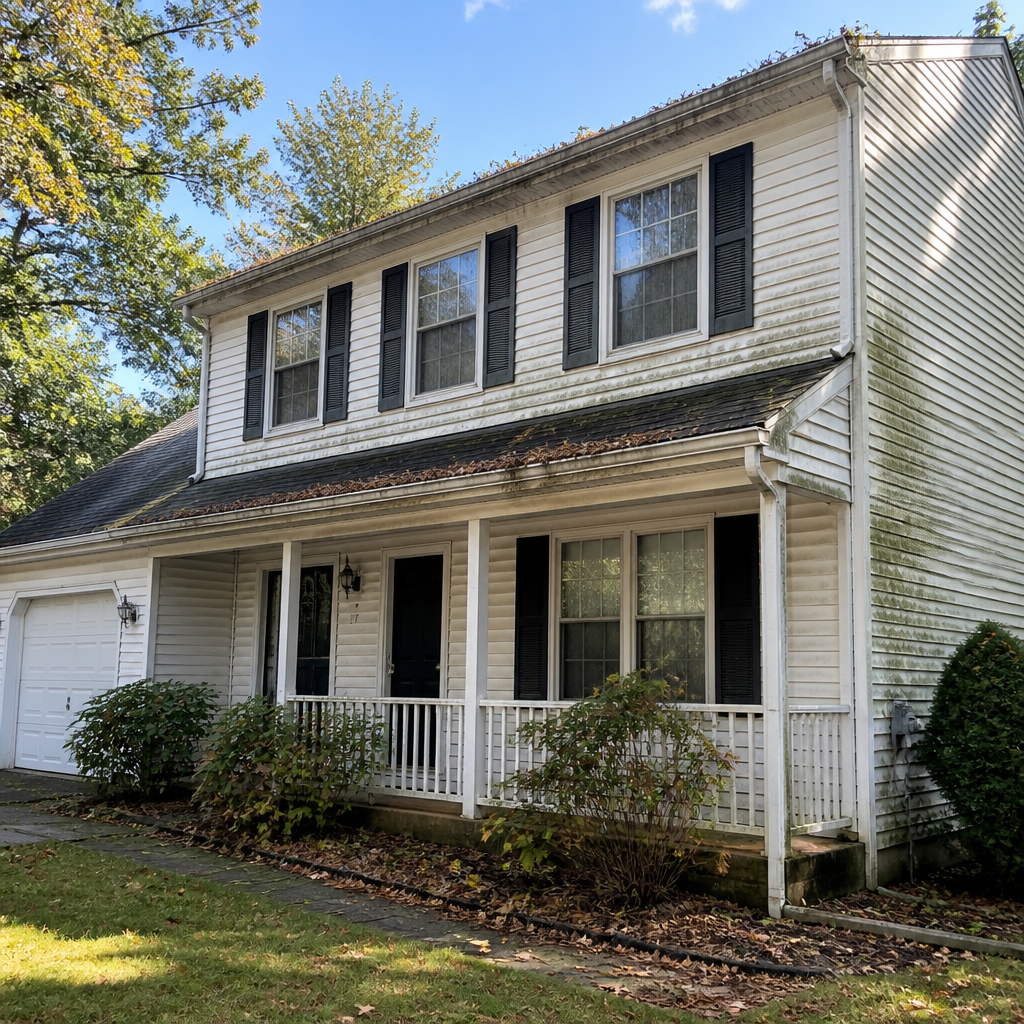
The logic is straightforward once you understand what a Canadian or northern summer actually does to a building exterior. Between May and August, your home accumulates pollen, exhaust particulates, sprinkler mineral deposits, bird droppings, insect debris, mold spores, and UV-activated oxidation on painted surfaces. That is four months of layered contamination sitting on every surface.
Seasonal exterior cleaning performed at the end of summer addresses this accumulation while conditions are still favorable. Water dries fast. Cleaning agents activate at proper temperatures. And critically, you are doing it before the fall leaf debris adds a second wave of organic matter to gutters and downspouts that are not yet at capacity.
There is also a structural argument. Ice and snow in winter press grime and moisture into any compromised seal, paint edge, or caulk gap. If you clean before freeze-up, you can identify and flag those gaps for repair while there is still time to act. Waiting until spring means the damage is already done.
“Deferred exterior maintenance is one of the leading contributors to premature siding failure and window seal degradation in residential properties.” — Home Inspection Institute of America
At Performance Window Cleaning, the team has been doing this work since 2008. The consistent pattern they see is homeowners who book end-of-summer service protecting their finishes and avoiding the repair conversations that homeowners who skip it end up having two or three seasons later.
Seasonal Exterior Cleaning Checklist: What to Actually Cover
A home cleaning checklist for the exterior is not a single task. It is a sequenced set of surfaces and systems, each with its own requirements. Doing them in the wrong order wastes effort. For example, washing windows before power washing the siding above them means you are re-contaminating glass you just cleaned.
The correct sequence for exterior cleaning is top-down and outside-in. Start with the roof edge and gutters. Move to siding and eaves. Then eavestroughs and downspouts. Then windows. Then entrances, walkways, and driveways last. This keeps clean surfaces from being re-soiled by runoff from surfaces above.
Surfaces That Require Attention After a Full Summer
Siding collects the most visible buildup, especially on north-facing and shaded elevations where mold and algae thrive. Eaves and soffits trap spider webs, wasp debris, and nesting material. Windows accumulate hard-water mineral deposits, pollen film, and oxidation from UV exposure. Gutters fill with seed pods, shingle granules, and organic matter that create the ideal conditions for pest nesting.
Driveways and walkways collect oil drips, tire marks, and organic staining from tree sap and bird droppings. Entrances and door frames attract spiders and wasps. Each of these surfaces needs a specific approach, not a single pass with a garden hose.
Pro tip: Walk your property once a week through July and August and photograph any areas where buildup or staining is accelerating. These photos help you brief your cleaning crew and confirm the scope of work before they arrive, which saves time and prevents missed spots.
Windows: The Most Neglected Surface After a Long Summer
Windows are the one exterior surface that most homeowners attempt to clean themselves and consistently under-clean. A streak-free finish on glass requires the right squeegee technique, the right cleaning solution concentration, and the right approach to frames and tracks. Most DIY attempts leave residue that dries into new streaks within hours.
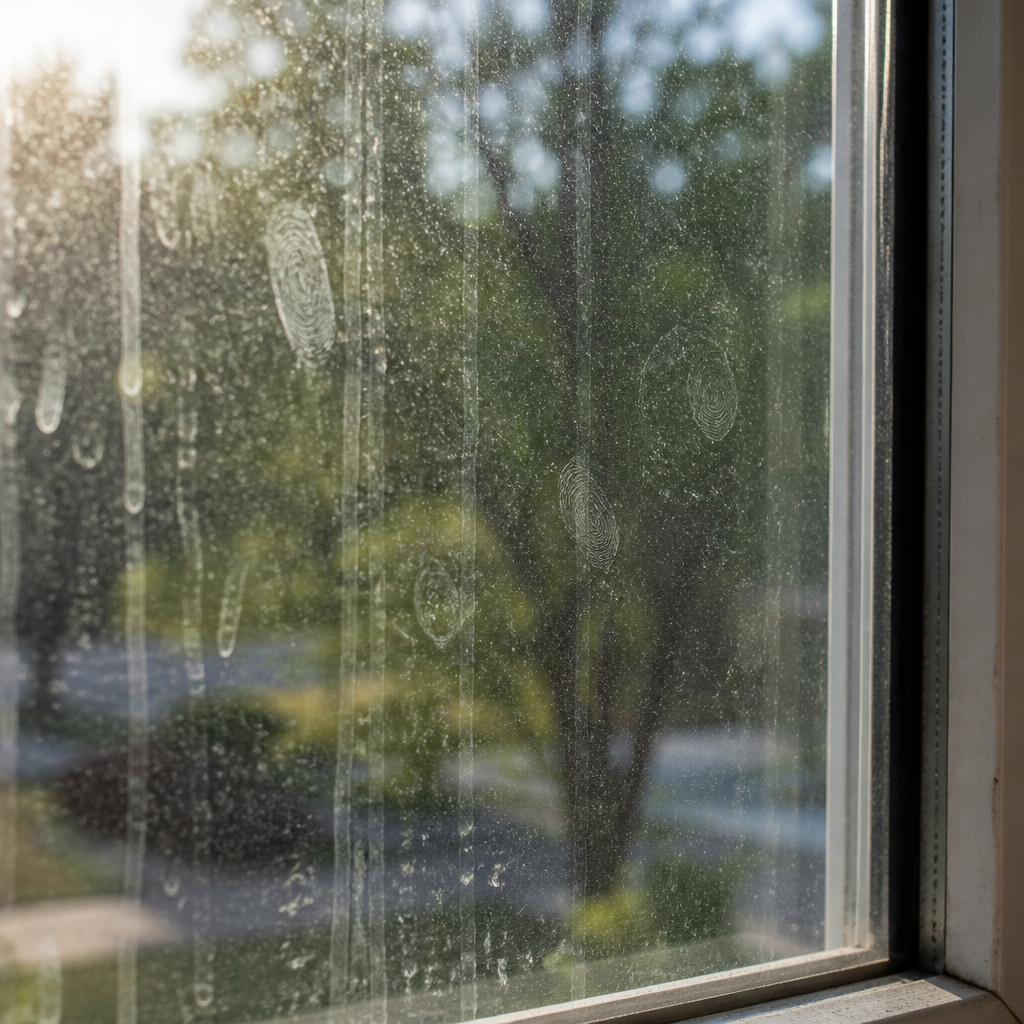
The bigger issue is mineral deposit accumulation. Sprinkler systems that hit windows over a full summer leave calcium and magnesium carbonate deposits that do not respond to standard glass cleaner. These require a professional-grade mineral remover applied before the main clean. In practice, we see windows that have not had this treatment in two or more seasons showing early-stage etching that cannot be reversed without resurfacing.
Interior vs. Exterior Window Cleaning at Season’s End
Exterior glass takes the seasonal punishment. But end of summer is also a logical time to address interior windows, which have accumulated cooking vapors, condensation residue, and finger marks over months of open-window weather. A full interior and exterior clean gives you a clean visual baseline as you close up the home for cooler months.
Performance Window Cleaning handles both interior and exterior window cleaning as part of their seasonal packages, which makes scheduling this as a combined service more efficient than doing each separately across different visits.
Pro tip: Never clean windows in direct sunlight on a hot day. The cleaning solution evaporates faster than you can squeegee it off, leaving a film. Early morning or overcast conditions give you a longer working window and a better result.
Gutters and Eavestroughs: Clean Now or Pay Later
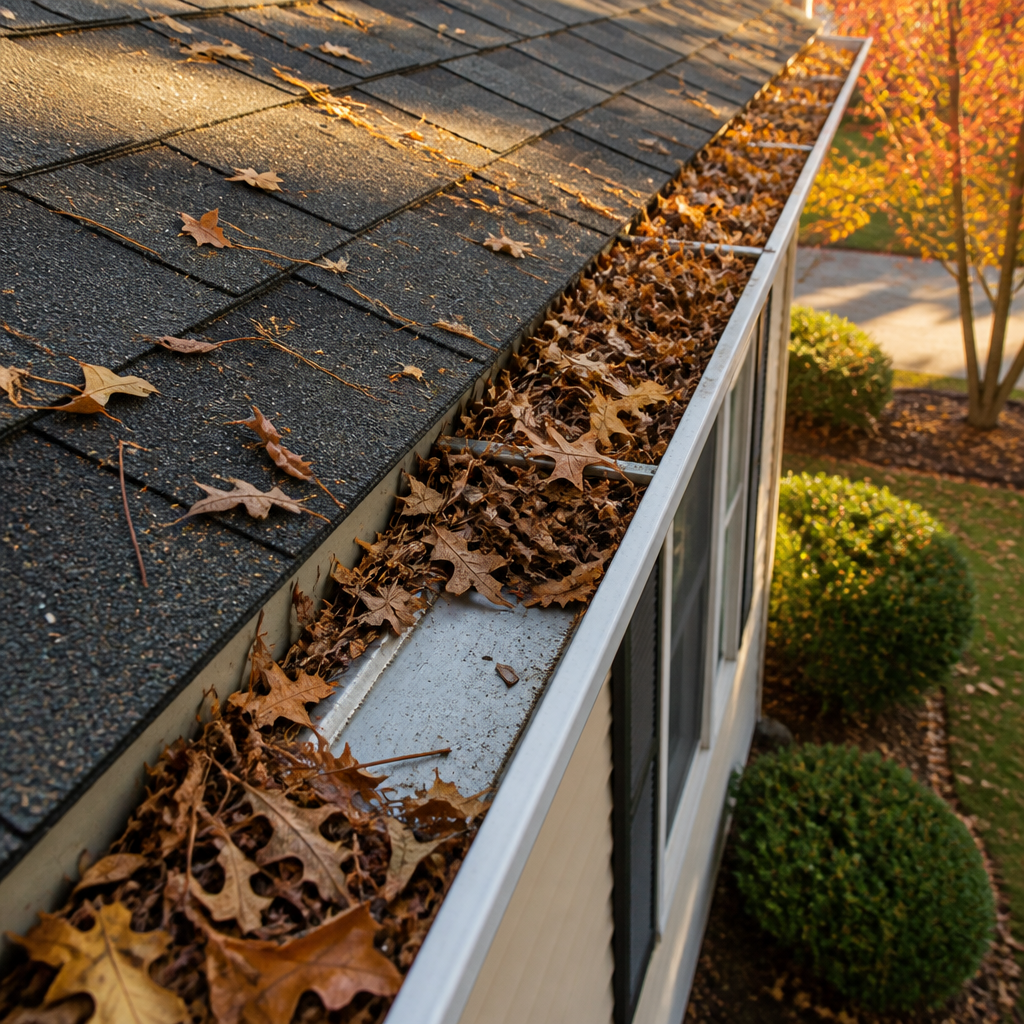
A blocked eavestrough does three bad things simultaneously. It overflows and saturates the ground at your foundation. It creates standing water that accelerates rust and rot in the gutter itself. And it provides ideal nesting conditions for wasps, hornets, and rodents heading into fall. None of these outcomes are inexpensive to fix.
End-of-summer eavestrough cleaning clears the system before it gets overwhelmed by fall leaf drop. This matters because leaves on top of existing debris create an impacted blockage that is significantly harder to clear and more likely to cause overflow damage during heavy fall rains.
In practice, the debris found in late-summer gutters includes shingle granules washed off during summer storms, seed pods from nearby trees, and compacted insect and bird nesting material. This material does not flush out with water alone. It requires manual extraction followed by a flush to confirm downspout flow.
Performance Window Cleaning’s gutter cleaning service includes both manual debris removal and downspout inspection, which is the standard that actually confirms the system is working rather than simply looking clear from the ground.
Power Washing Siding and Entrances the Right Way
Power washing is one of the most misused tools in exterior cleaning. Homeowners rent consumer-grade pressure washers and apply the same pressure to vinyl siding, wood trim, and concrete driveways without understanding that these surfaces have radically different tolerances. Vinyl siding can be warped or seam-separated at pressures above 1,500 PSI. Wood siding can be fiber-raised and paint-stripped. Both failures cost more to repair than the cleaning would have cost professionally.
The right approach for siding in most residential applications is soft washing: lower pressure combined with a surfactant-based cleaning solution that breaks down organic growth without mechanically blasting the surface. This is particularly important for stucco, painted wood, and aged vinyl where surface integrity is already reduced by UV exposure.
What Power Washing Is Actually Appropriate For
Concrete driveways, asphalt paths, and brick surfaces can handle higher PSI and benefit from it. These surfaces accumulate oil, tire marks, algae, and embedded grit that soft washing alone will not fully address. A proper concrete clean at end of summer can restore significant curb appeal and prevent the slip hazard that algae-covered wet concrete creates in fall and early winter.
Entrances and front walkways benefit from both high-pressure cleaning and a follow-up inspection for cracked grout or joint material that water has worked into over the summer. Identifying these gaps before freeze-thaw cycles begin is exactly the kind of proactive maintenance that prevents expensive repair.
Spider Spraying and Pest Removal Before Fall Nesting Begins
End of summer is when spiders and wasps are most active on building exteriors. They are feeding, building, and preparing overwintering sites, which in residential buildings often means gaps around window frames, weep holes in brick, soffit vents, and door frame cavities. By the time you see a significant web presence on the exterior, nesting is typically already underway.
Spider spraying at end of summer breaks this cycle at the right point in the insect calendar. A barrier treatment applied to eaves, window frames, door frames, and foundation perimeter at this time of year targets spiders and overwintering insects before they have established winter sites inside the building envelope.
Performance Window Cleaning includes pest removal and spider spraying as part of their exterior service packages. This is a detail that most general exterior cleaning companies skip, and it is one of the reasons a seasonal package from a specialist delivers better long-term results than assembling separate providers for each task.
Wasp nests visible on soffits or under eaves should be addressed before gutter cleaning and pressure washing begins. Disturbing a wasp nest mid-job is a safety issue, not just an inconvenience. A professional crew will identify and plan around active nests as part of the pre-job assessment.
DIY vs. Professional Exterior Cleaning: A Direct Comparison
There is a reasonable case for doing some exterior cleaning yourself. There is also a clear point where the tools, risk, and results make professional service the more rational choice. The comparison below is based on what the work actually requires, not on marketing.
| Factor | DIY Approach | Professional Service (Performance Window Cleaning) |
|---|---|---|
| Window cleaning result | Streaks common due to incorrect technique and consumer-grade squeegees; mineral deposits typically missed | Streak-free finish using professional squeegee technique and mineral deposit removers; interior and exterior in one visit |
| Gutter cleaning thoroughness | Surface debris removed but downspout blockages frequently missed; no flush confirmation | Manual extraction plus downspout flush to confirm full system flow |
| Pressure washing safety | High risk of surface damage from incorrect PSI; no access to commercial soft washing equipment | Surface-appropriate pressure selection; soft washing for siding and high-pressure for concrete |
| Spider and pest treatment | Consumer sprays provide short-term knockdown without perimeter barrier effect | Professional barrier treatment targeting overwintering sites at eaves, frames, and foundation |
| Time investment | Full exterior cleaning is typically a multi-day project for a homeowner working weekends | Comprehensive seasonal clean completed in a single scheduled visit |
The DIY route makes sense for routine maintenance between professional visits: rinsing windows with a hose, clearing visible debris from gutters after a storm, brushing down webs with a broom. It does not replace the thoroughness of a professional seasonal service, and the cost of repairing DIY pressure washing damage to siding or trim typically exceeds the cost of professional cleaning several times over.
Home Cleaning Checklist by Surface Type
Use this as a reference when scoping your end-of-summer exterior work, whether you are doing it yourself, hiring a professional, or doing a combination of both. The sequence below is the correct top-down order for a full exterior clean.
Roof edge and eaves: Clear visible debris, check for moss or algae beginning on shingles, remove spider webs and wasp nests from soffits. Do not pressure wash shingles. Note any lifting edges or damaged flashing for a roofing contractor.
Gutters and eavestroughs: Manual debris removal, downspout flush, check for rust spots, separated seams, or sagging sections. Note any locations where water is overflowing to one side, indicating a slope issue.
Siding: Soft wash or hand-wash all elevations, paying particular attention to north-facing and shaded walls where mold and algae accumulate fastest. Inspect for caulk gaps around window and door frames.
Windows (exterior): Apply mineral deposit remover to affected glass before main clean. Clean frames, tracks, and screens. Squeegee glass for a streak-free finish. Flag any cracked seals or broken hardware.
Windows (interior): Clean glass, frames, and sills. Remove and clean screens if not done for the exterior pass.
Entrances and door frames: Brush down webs and insect debris, wipe down door surfaces, clean glass panels in doors, apply spider barrier treatment to frame perimeter.
Driveways and walkways: High-pressure clean concrete and brick. Treat oil stains with degreaser before the main wash. Check for cracked expansion joints.
Foundation perimeter: Clear vegetation growth against the foundation, apply pest barrier treatment, check for new cracks or efflorescence (white mineral deposits indicating water migration through the wall).
Frequently Asked Questions
When exactly should I book end-of-summer exterior cleaning?
The optimal window is mid-August through mid-September. Temperatures are warm enough for cleaning solutions to work effectively and for surfaces to dry quickly. Booking before mid-September also avoids the heavy demand spike that happens when homeowners try to book in October after the first frost alerts arrive.
Can I power wash my vinyl siding myself?
You can, but the risk of damage is significant with a consumer-grade rental unit. Most rental washers deliver between 1,500 and 2,000 PSI, which is at or above the threshold where vinyl siding can warp, seams can separate, and water can be forced behind panels. If you insist on doing it yourself, use the lowest setting and a wide fan tip, keep the nozzle at least 12 inches from the surface, and never direct the spray upward into the seams.
How often do gutters need to be professionally cleaned?
For most residential properties in areas with significant tree coverage, twice per year is the standard recommendation: once at end of summer before the leaf drop, and once in late fall after the leaves have fully dropped. Properties with minimal tree coverage can sometimes manage once per year, but a post-storm inspection after major wind events is always a good idea regardless of the schedule.
Does spider spraying really prevent them from coming inside in fall?
A perimeter barrier treatment applied at end of summer does meaningfully reduce spider activity on and inside the building envelope. Spiders seeking overwintering sites follow prey insects toward warmth. A residual insecticide barrier on eaves, window frames, door frames, and foundation gaps interrupts this movement. It is not a guarantee of zero spiders, but in practice it significantly reduces both the visible exterior web presence and interior spider encounters through fall and winter.
What is soft washing and why is it better for siding than pressure washing?
Soft washing uses lower water pressure, typically below 500 PSI, combined with a surfactant and, in some cases, a low-concentration bleach or algaecide solution to break down organic growth at the surface level. The chemistry does the cleaning work rather than the mechanical force of water. This approach removes mold, algae, and grime without the risk of surface damage that high-pressure washing creates on painted wood, vinyl, and stucco. The result also tends to last longer because it kills organic growth at the root rather than simply blasting off the visible layer.
How long does a full exterior cleaning service take?
For an average residential property, a comprehensive end-of-summer clean covering windows inside and out, gutters, siding, entrances, and pest treatment typically takes between three and six hours with a professional crew. Larger properties, multi-story homes, or properties with significant buildup from multiple seasons of deferred maintenance will take longer. Performance Window Cleaning provides tailored quotes based on property scope rather than applying a one-size time estimate.
Does end-of-summer cleaning actually protect property value?
The data supports it clearly. According to studies cited by real estate professionals, curb appeal affects perceived property value by 5 to 10 percent, and exterior condition is one of the first things a home inspector flags when visible maintenance has been deferred. Beyond resale value, preventing the accelerated deterioration of siding, window seals, and gutters through regular seasonal cleaning reduces repair and replacement costs materially over a ten-year period.
We want to hear from you: what is the one exterior surface you always end up neglecting at the end of summer, and what has stopped you from addressing it?
References
- U.S. Environmental Protection Agency guidance on mold, moisture, and exterior surface maintenance
- Forbes coverage of home maintenance costs, curb appeal, and exterior upkeep return on investment
- Statista data on home improvement spending, seasonal cleaning trends, and residential maintenance market
- National Association of Certified Home Inspectors educational resources on exterior maintenance and inspection standards
- U.S. Department of Energy resources on building envelope integrity and seasonal weatherproofing for residential structures