
Most homeowners treat exterior home cleaning St. Catharines fall work as an afterthought, something to get to once the leaves are down and the weekend is free. That timing costs money. Wet leaves packed into eavestroughs freeze into ice, dirty siding and driveways hold grime through winter, and small gaps around windows turn into cold drafts by December.
Fall is the window that matters. We have cleaned homes across St. Catharines and the surrounding Niagara communities for years, and the same problems show up on almost every property we visit in October and November. This guide covers what to clean, what to inspect while you are up on the ladder, and where a professional crew saves you time and risk.
Table of Contents
- Quick Takeaways
- Why Fall Is the Right Window for Exterior Cleaning
- Gutter and Eavestrough Cleaning Before the Ice Forms
- Windows, Screens, and Tracks Before the Cold Sets In
- Power Washing Before Freeze-Up
- Siding, Entrances, and Detailing for Winter Salt
- Spider, Web, and Pest Control Before Winter
- Comparing Fall Cleaning Options
- Frequently Asked Questions
- References
Quick Takeaways
| Key Insight | Explanation |
|---|---|
| Clear gutters after the last big leaf drop | Leaves left in the eavestrough freeze into ice dams. Plan one full cleaning after most leaves have fallen, then check again after the first heavy windstorm. |
| Swap screens for storm panels | Summer screens let air through, and storm panels stop it. Make the swap before the first cold snap and store the screens flat and dry. |
| Power wash before the hard freeze | Grime and organic staining bond to surfaces over a winter of freeze-thaw cycles. Finish while daytime temperatures stay above freezing and surfaces can dry. |
| Shut off and drain outdoor water | Hoses and exterior faucets split when water freezes inside them. Disconnect hoses, drain the lines, and close the shutoff inside the house. |
| Remove webs and egg sacs from entrances | Eave corners, porch lights and window frames give spiders shelter as temperatures drop. Clearing them now means fewer sightings indoors when the furnace starts. |
| Check caulking and door seals | Gaps around windows and doors let cold air and moisture in. Clean the sills and tracks first so the inspection is accurate. |
| Fix walkways and light the steps | Loose treads and dark paths become ice hazards. Repair them and check the lighting before the clocks fall back in early November. |
Why Fall Is the Right Window for Exterior Cleaning
Fall is the right window because you clean once instead of twice. Dirt, organic growth and tree debris are much easier to remove before a winter of freeze-thaw cycles bonds them to siding, concrete and glass. The Make It Right fall checklist frames the job well: protect the house from the outside in, starting with the parts that let water, cold air and pests get through.
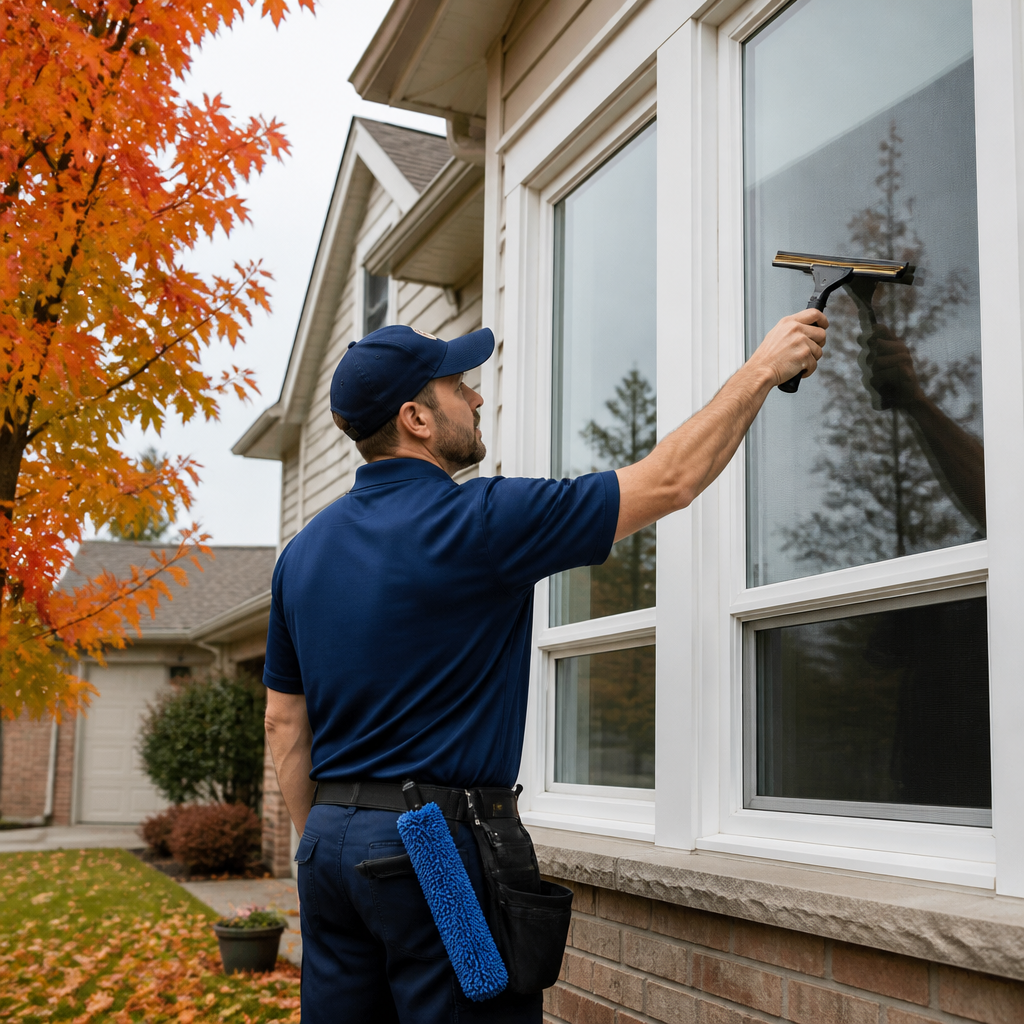
A proper fall pass covers the gutters, the windows and their sills, the siding, the entrances, the walkways, and any deck or railing. That sounds like a lot, but most of it happens in a single day with the right equipment. The order matters, though, because working top to bottom prevents you from doing the same wall twice.
Why the order of work matters
Start with the gutters so the debris you knock loose lands on surfaces you have not cleaned yet, then move down the house. Rinse the downspouts last so flushed grit does not run back across freshly cleaned windows. A common mistake is washing the windows first and the eavestrough second, which leaves streaked glass and a second visit to fix it.
Where St. Catharines homes take the hardest hit
Homes with mature trees around them need the most attention. Tree debris builds up fast in shaded eavestroughs, and damp, shaded sides of the house hold staining longer than sunny ones. We see the worst buildup on properties where the gutters were last cleaned in spring, and those homes usually need a full exterior pass rather than a single task.
Most winter damage starts as a small problem somebody noticed in October and postponed.
Gutter and Eavestrough Cleaning Before the Ice Forms
Gutters are the most important item on any fall list. Amica’s fall checklist makes the point plainly: leaves and debris that build up through summer and fall can lead to blocked gutters, pest problems and wood rot, and clogged gutters are more prone to rust and corrosion. The bigger threat comes in winter, when water that cannot drain freezes at the edge of the roof.
Why leaves turn into ice dams
A clogged eavestrough holds meltwater at the roof edge. When that water refreezes, it builds a ridge of ice that pushes meltwater back under the shingles. We see the result as staining on soffits and ceilings in spring, and by then the damage is already inside the wall. The fix is simple: get the troughs clear before the first hard freeze, not after the first thaw.
Clear the troughs fully. Scooping a handful of leaves from the front section is not enough. Debris hides in the corners and at the joints near the downspout outlets, so work the full run.
Downspouts and drainage away from the foundation
Cleaning the troughs does nothing if the downspouts are blocked. Run water through each downspout with a hose and watch where it ends up. Amica’s guidance is direct on this point: water from downspouts should flow away from the house so it does not pool around the foundation. If a downspout dumps water right beside the wall, extend it with a longer section or a splash block.
Gutter guards: useful, but not a substitute
Mesh gutter guards keep leaves and debris from returning, and that is a real benefit for trees that drop heavy loads. They do not eliminate the need for a cleaning. Fine grit, shingle granules and seed pods can still get into the gutter, and a guard can hide a blockage. Install guards after a full cleaning, then check them once a season.
Pro tip: Book the gutter cleaning after most of the leaves have come down, then check again after the first big windstorm of the season. One pass in late October often misses the second leaf drop.
Windows, Screens, and Tracks Before the Cold Sets In
Windows are where fall prep gets personal, because the drafts you feel in January usually start at the frame. Amica recommends checking caulk, weather stripping and drafts around windows and doors, and the Make It Right checklist asks homeowners to inspect caulking around windows and exterior doors. Both are easy to do during a cleaning visit, since you are already on the ladder and the glass is wet.
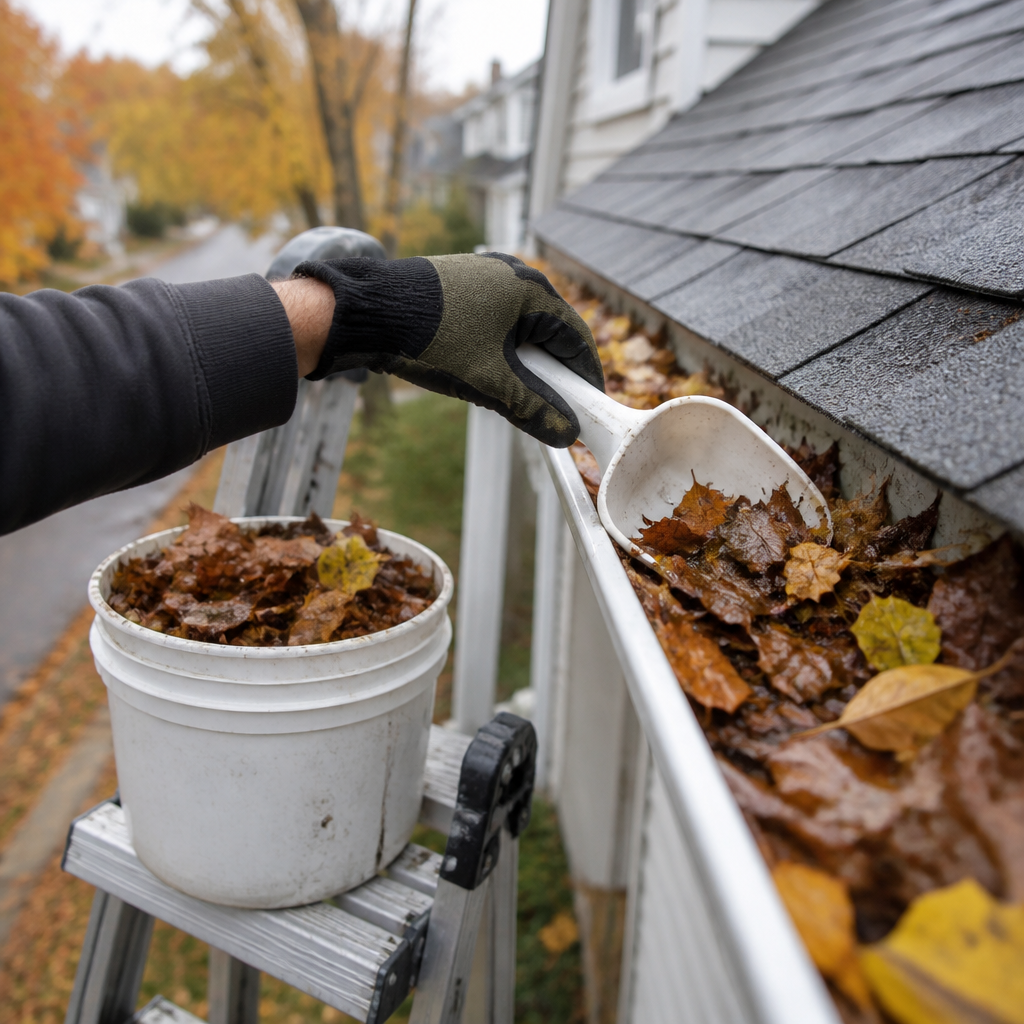
Swap screens for storm panels
Summer screens are designed to let air through. Storm panels are designed to stop it. Swapping them in the fall cuts drafts and gives the glass a layer of protection, which is a far better use of an afternoon than dealing with a fogged window in February. Store the screens flat, clean and dry in a garage or basement so the mesh does not tear before spring.
Clearing sills and tracks where grit collects
Sliding windows and patio doors trap grit in the tracks, and that grit grinds the rollers all winter. Vacuum the track, wipe it with a damp cloth, and check the weep holes so water can drain out. On most homes we clean, a track that sticks in October is the same track that jams in January.
Caulk and weather stripping checks
Look at the caulk line where the window frame meets the siding. Cracked, shrunken or missing caulk is a simple repair, and it stops water from getting behind the trim. Press a finger along the weather stripping on exterior doors. If it stays flat instead of springing back, or if you can see daylight at the corners, replace it before cold air finds the gap.
Power Washing Before Freeze-Up
Power washing is the task people most often schedule too late. Dirt, algae and organic staining on driveways, walkways and decks can usually be removed in one session in October. Left alone through a winter, the same staining often needs a harsher approach in spring, and some of it never fully lifts. A clean surface also shows you the cracks and loose boards that need attention.
Driveways and walkways: clean now, repair in spring
The Make It Right checklist calls for repairing cracks in driveways and walkways before winter. In practice, that means cleaning the surface first, then marking any crack wide enough to catch a fingernail. Small cracks can be filled in fall, while larger ones are often better left for spring, when the full extent is visible and the repair can cure properly.
Walkways matter for another reason. Amica flags loose steps, broken rails and poor lighting as slip and fall risks, and those become much more dangerous once snow and ice arrive. Clean the steps, tighten or replace loose treads, and confirm the path lights work before the clocks fall back in early November.
Decks and railings: check the boards while they are dry
Decks, porches, stairs and handrails appear on both the Make It Right and Amica lists for good reason. A washed and dried deck is the easiest deck to inspect. Look for soft boards, loose handrail posts and fasteners that have started to back out. Give the boards a full day to dry before you seal or stain anything.
The timing rule: finish before the hard freeze
Water that sits on a surface freezes, and a fresh wash can turn into a slip hazard within hours of the temperature dropping. Schedule power washing for a stretch of daytime temperatures above freezing, and allow time for surfaces to dry before the overnight cold returns. If the forecast turns, pause the job rather than rushing the last section.
Siding, Entrances, and Detailing for Winter Salt
Siding and entrances take the most abuse in winter. Road salt, ice melt and wet leaves sit on lower walls and steps for months, and the stains they leave are harder to remove after a freeze. The Make It Right checklist asks homeowners to inspect siding, brick and other exterior finishes before winter, and a clean surface makes that inspection far more accurate.
Hand-washing siding versus high pressure
Not every exterior surface should get the same treatment. Vinyl and painted siding usually respond well to a gentle wash with a soft brush, while high pressure can force water behind lap joints or chip paint on older wood. Brick and stone can tolerate more, but aggressive pressure can damage mortar joints. Hand-washing is slower, and it is the safer choice for older homes.
Entrances and doors where salt and grit build up
Front steps, door thresholds and the ground beside the mailbox collect the most salt and grit. Scrub the threshold and the bottom of the door, check the door seal, and rinse the steps so salt does not sit in the texture of the concrete. A clean entrance also shows you any cracks in the steps that need filling before ice gets into them.
Outdoor furniture and equipment storage
Outdoor furniture, gardening tools and cushions should be cleaned and stored before the first heavy frost. The O-Cedar winter guide also starts with clearing outdoor furniture and gardening tools, and Make It Right adds draining and shutting off exterior water lines to the list. Disconnect hoses, drain them, and store them off the ground. If you would rather hand the whole exterior list to a crew, our home detailing team can handle it.
Spider, Web, and Pest Control Before Winter
Spider activity is one of the most common fall complaints we hear, and it is not random. As temperatures drop, many spiders and the insects they eat move toward sheltered spots, including entrances, eave corners and window frames. Clearing webs and egg sacs now means fewer surprises at the front door and fewer sightings indoors when the furnace comes on.
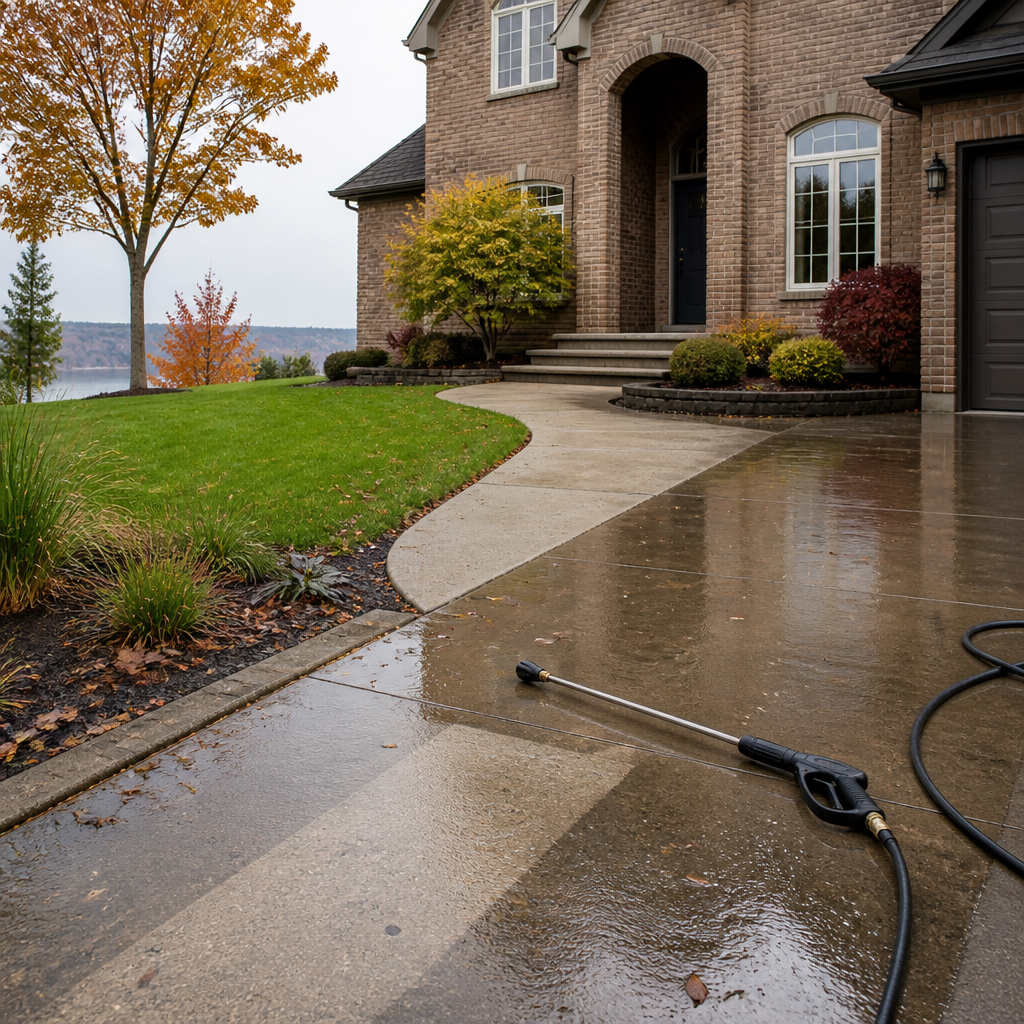
Removing webs and egg sacs by hand
Web removal is more than knocking strands off the siding. Work along the eave soffits, under the porch light, and in the corners of window frames, where egg sacs tend to be tucked out of sight. A soft brush and a low-pressure rinse handle most of the job. Bag the debris rather than leaving it on the ground beside the house.
Sealing gaps that let pests inside
The Make It Right checklist calls for sealing gaps and cracks that could let pests inside. Focus on the places where wires, pipes and vents enter the wall, plus gaps under soffits and around the foundation. Exterior-grade caulk or foam handles most small openings, while larger gaps may need a proper repair before winter sets in.
Tick and mosquito control: what a yard treatment can and cannot do
Tick and mosquito control is part of our service mix, and it is worth being honest about its limits. A yard treatment targets the areas where insects rest and breed, such as shaded lawn edges, shrubs and leaf litter. It does not replace clearing leaf litter, trimming brush or keeping grass short, and it does not guarantee a bug-free yard. Ask any provider which areas they treat and how often before you book.
Comparing Fall Cleaning Options
Most homeowners weigh three realistic options for fall work: doing it themselves, hiring a crew for gutters only, or booking a full exterior package. The right choice depends on the height of the roofline, how many trees surround the house, and how much time you have before the first hard freeze. The table below compares the three approaches we see most often.
| Approach | Best for | Watch out for |
|---|---|---|
| DIY gutter cleaning with a ladder and hose | Single-storey homes with low, reachable eavestroughs | Ladder safety on wet or uneven ground, and debris in the joints that a hose never clears |
| Professional gutter and eavestrough cleaning | Two-storey homes, heavily treed lots, and anyone who wants downspouts flushed and checked | Confirm the crew flushes the downspouts and checks drainage, not just the troughs |
| Full exterior package with power washing and detailing | Homes that need siding, entrances and walkways cleaned before winter salt sets in | Book before the hard freeze, and ask for a walkthrough of any cracks or loose items found during the job |
When a DIY pass makes sense
A DIY pass works when the eavestroughs are within safe reach, the roof is low, and you can clean the whole run in one afternoon. Use a sturdy ladder on level ground, and do not lean out past the rail. If you have to move the ladder constantly to reach the far end of the house, the job has already become a hire-out.
When a full package makes more sense
Bundling gutters, windows, power washing and detailing into one visit means one booking, one crew on site, and one inspection pass. Problems found in the gutters, the caulking and the walkways get reported together, so you can prioritize repairs before the weather turns. That single pass is often the simplest way to get everything done in the narrow fall window.
Frequently Asked Questions
When is the best time for exterior home cleaning in St. Catharines in the fall?
The best window is after most of the leaves have dropped and before the first sustained hard freeze. For many homes that falls in late October through November, but watch the forecast rather than the calendar, since a warm October can shift the timing.
Should I clean gutters or power wash first?
Clean the gutters first, then power wash. Debris knocked loose from the eavestroughs will land on surfaces you have not cleaned yet, so working top to bottom avoids doubling the work.
Are gutter guards worth it if I have a lot of trees?
They can reduce how often you need to clean, especially under heavy leaf loads, but they do not remove the need for at least one full check each season. Install them after a complete cleaning so you start with a clear run.
Can I power wash siding before winter?
Yes, but use a gentle approach on vinyl, painted wood and older brick. High pressure can force water behind siding and damage mortar, so hand-washing or a low-pressure rinse is the safer choice on older homes.
Why do spiders show up around entrances in the fall?
As temperatures drop, many spiders and the insects they feed on seek sheltered spots such as eave corners, door frames and window trim. Clearing webs and egg sacs now, and sealing the gaps where they enter, reduces the number that end up indoors.
Does a yard treatment for ticks and mosquitoes replace fall cleanup?
No. A treatment targets the areas where insects rest and breed, but it works best alongside clearing leaf litter, trimming brush and keeping grass short. Think of it as one step in the plan rather than a replacement for the cleanup.
Which fall task does your household always end up postponing until November, and what happened when you finally got to it? Share your experience so we can keep this guide practical for St. Catharines homeowners.