
Most homeowners do not think about their eavestroughs until water is pouring over the sides during a rainstorm or, worse, seeping into the basement. By that point, a simple gutter cleaning job has turned into a foundation repair bill. Fall is unforgiving: leaves accumulate fast, the first freeze arrives without warning, and blocked gutters left unattended through winter cause damage that shows up as cracked fascia, rotted soffits, and flooded basements in spring. This guide gives you the complete, practical picture of what to clean, when, how, and when to hand the job to a professional.
Table of Contents
- Quick Takeaways
- Why Fall Gutter Cleaning Matters More Than Any Other Season
- What Happens When Eavestroughs Clog
- Warning Signs Your Gutters Need Attention Right Now
- Step-by-Step Eavestrough and Gutter Cleaning
- DIY vs. Professional Gutter Cleaning: An Honest Comparison
- How Often Should You Clean Gutters?
- After the Clean: What to Inspect Before Winter
- Frequently Asked Questions
- References
Quick Takeaways
| Key Insight | Explanation |
|---|---|
| Clean after the main leaf fall, not before | Cleaning eavestroughs in early October only to have them refill with leaves by mid-November wastes your effort. Wait until most leaves have dropped, then clean. |
| Clogged gutters directly cause basement flooding | When water cannot flow through the downspout, it overflows and pools against the foundation, finding its way into basements through cracks and gaps. |
| Downspouts need to discharge at least five feet from the foundation | Cleared gutters mean nothing if the downspout dumps water right at the base of your home. Extension pipes or splash pads are an easy fix. |
| A properly maintained gutter system can last 10 to 20 years | Chronic clogs and standing water significantly shorten gutter lifespan. Two cleanings per year is the minimum to protect that investment. |
| Sagging gutters are not cosmetic, they are structural | Debris adds weight. That weight pulls gutters away from the fascia, breaks hangers, and eventually causes the gutter section to detach entirely. |
| Multi-story homes require professional-grade equipment | For two-story homes, a 24-to-28-foot extension ladder is typically needed. Working at that height without proper training is a serious fall risk. |
| Pest problems often start in neglected eavestroughs | Standing debris and moisture create ideal nesting conditions for insects, birds, and rodents. Regular debris removal removes the habitat. |
Why Fall Gutter Cleaning Matters More Than Any Other Season
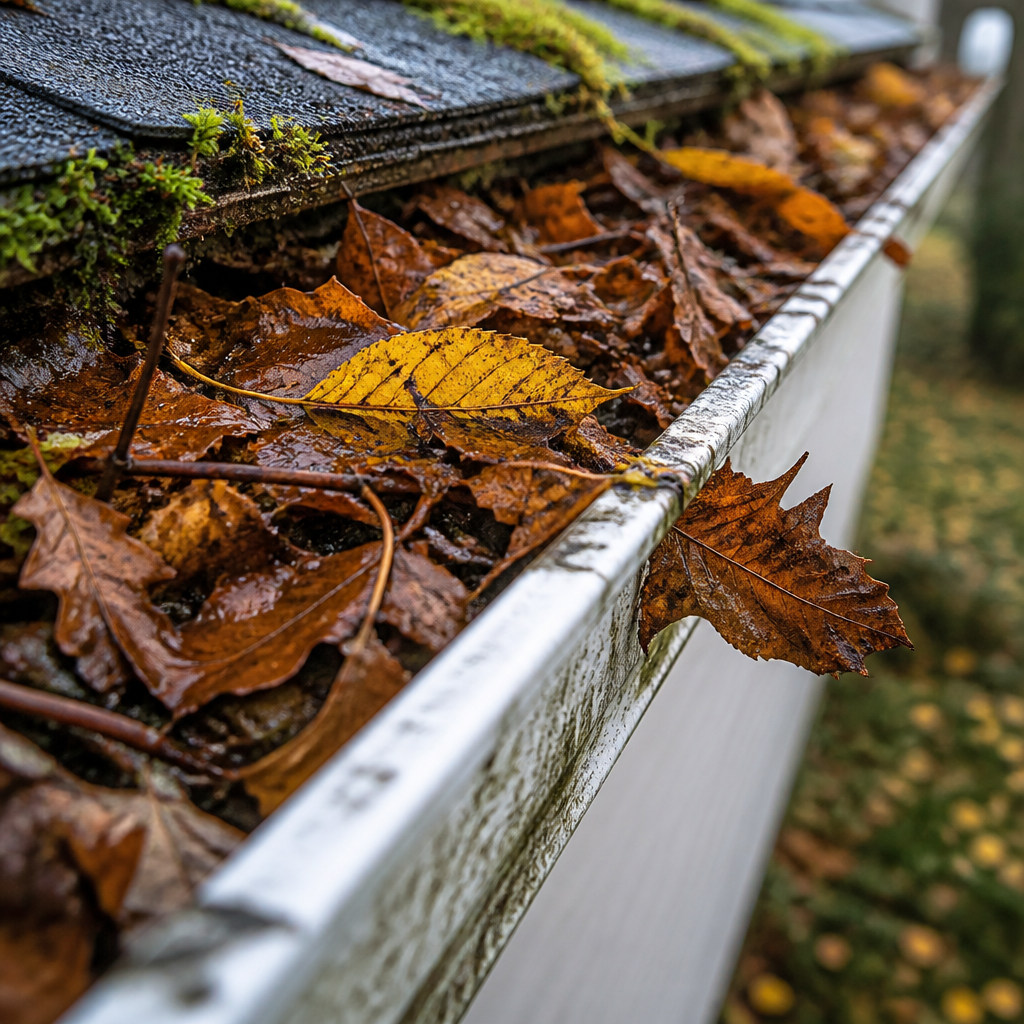
Fall is the season that breaks gutters. Summer builds up a slow accumulation of shingle grit, seeds, and organic matter. Then October and November dump leaves by the cubic foot into your eavestroughs in a matter of weeks, and the first autumn storm turns that mix into a dense, wet plug that water simply cannot get through.
The best time to clean your gutters is after the first big autumn leaf fall but before the first storm or freezing temperatures arrive. That window is real and it is narrow. Miss it, and you are going into winter with blocked channels that will trap ice, buckle under the weight, and overflow melt water directly against your home’s foundation when temperatures rise.
When gutters are clogged with seasonal debris, they simply can’t keep up. This leads to overflows that can seep into basements, leak into roofs, or erode soil around your foundation. Even one storm paired with blocked gutters can create lasting structural issues for your home.
For Canadian homeowners, the stakes are even higher. Freeze-thaw cycles through late autumn and early spring turn clogged eavestroughs into ice dams. That ice pushes under shingles, saturates insulation, and can cause damage that costs many times what a professional cleaning would have.

What Happens When Eavestroughs Clog
Understanding the chain of damage helps prioritize this task properly. A blocked eavestrough is not just an overflow problem. It is the starting point for several expensive repair categories that compound over time.
Foundation and Basement Damage
Properly functioning gutters prevent water damage to your home’s foundation. When gutters are clogged or damaged, water can overflow and pool around your foundation, leading to cracks, settling, and even basement flooding. To prevent this, ensure your gutters are clean and properly sloped, and that downspouts direct water at least five feet away from your foundation.
Clogged gutters redirect water toward your foundation instead of away from it, creating dangerous cracks over time that can lead to a failing foundation.
Fascia, Soffit, and Roof Deterioration
Water overflow from blocked gutters can rot your fascia boards and wooden siding, damage landscaping, and cause basement flooding if left unaddressed. Fascia rot is particularly expensive because it often requires replacing the board and reattaching the entire gutter run.
Excess debris adds weight to the gutter system, which can cause sagging, leaks, or separation from the fascia. Improper drainage may lead to rotted soffit and fascia, damaged shingles, mold or mildew growth, basement flooding, and erosion near the foundation or driveway.
Pest Infestations
Wet, decomposing leaves packed into a gutter channel are prime real estate for insects, wasps, and birds. Mosquitoes breed in the standing water. Once a nest is established in an eavestrough, it takes more than a scoop to fix the problem. Clearing the debris in fall removes the overwintering habitat before it becomes a spring infestation.
Prevention is always less costly and less stressful than repairs. One blocked gutter and one autumn storm can create structural damage that takes weeks and thousands of dollars to undo.
Warning Signs Your Gutters Need Attention Right Now
You do not need to climb a ladder to know your eavestroughs are overdue. Several signs are visible from the ground and should prompt immediate action, not a note on next month’s to-do list.
One of the most obvious signs that your gutters need cleaning is water overflowing from the sides during rainfall. This indicates that the gutters are clogged and unable to handle the flow of water, which can lead to water damage on your roof, siding, and foundation.
If your gutters appear to be sagging or pulling away from the house, this is a clear sign that they are clogged with heavy debris. The added weight of leaves, twigs, and water can cause the gutters to detach from the fascia, leading to more significant structural problems if not addressed promptly.
Other signs to watch for from ground level:
- Staining or streaking on siding directly below the gutter line, which points to consistent overflow
- Visible plant growth or weeds sprouting from gutter channels
- Dampness or efflorescence (white salt deposits) on basement walls after rain
- Rust marks on painted surfaces below downspout seams, indicating a slow leak that has gone undetected
Pro tip: Walk the perimeter of your home during or immediately after a heavy rain. Watching exactly where water exits and where it pools tells you more in five minutes than any inspection from a ladder on a dry day.
Step-by-Step Eavestrough and Gutter Cleaning
Whether you are doing this yourself or supervising a crew, understanding the correct process helps you verify the job is actually done right. Skipping steps, especially the flush and downspout check, is the most common reason gutters fail again within weeks of a cleaning.
Tools You Will Need
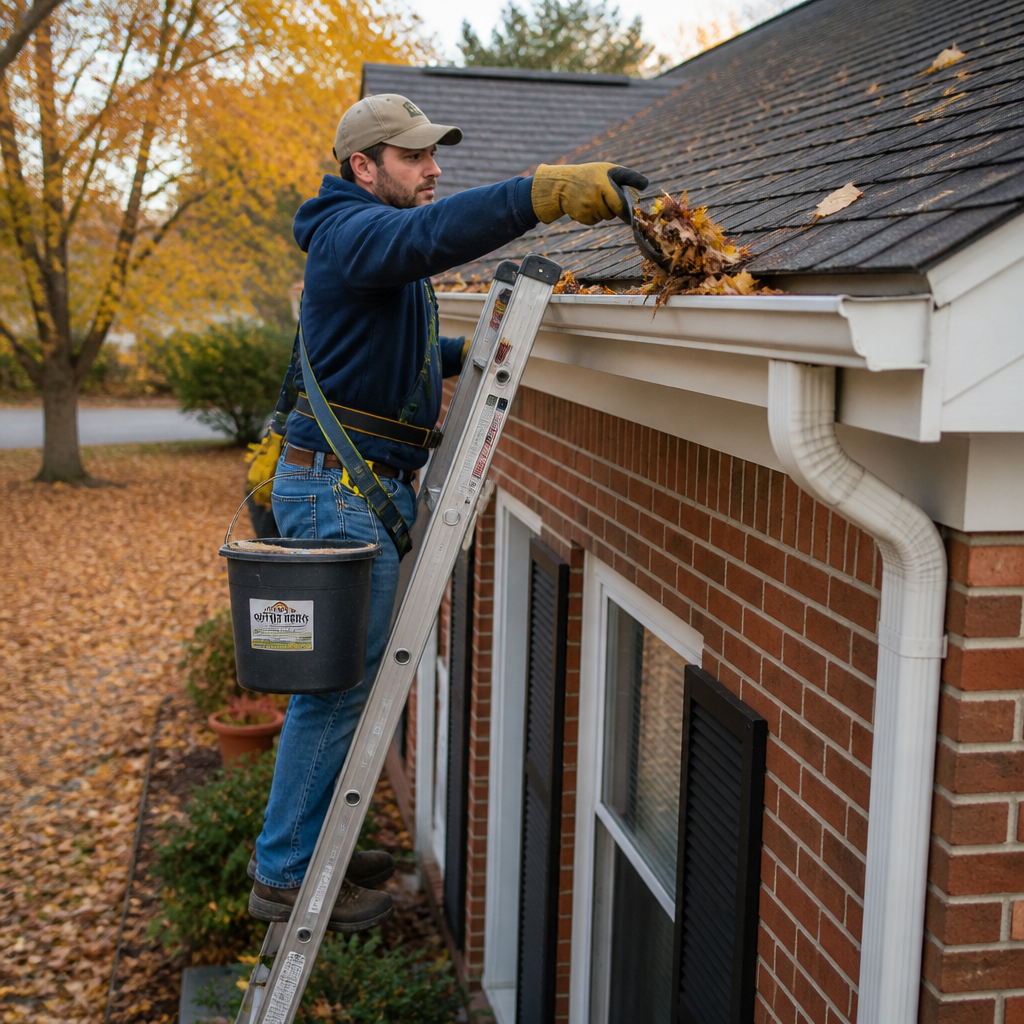
To clean eavestroughs you will need a garden trowel or similarly shaped instrument to scoop out leaves and other debris, a tarp or drop cloth to catch fallen material, a ladder to reach the gutter (for homes with extra height, you may need an extension ladder), and a garden hose to clear any blockages you encounter.
For ground-level alternatives, a telescoping gutter wand attaches to your garden hose and allows you to spray water directly into the eavestroughs. Some leaf blowers come with curved extensions that let you blast away debris without needing a ladder, though this method works best for dry leaves rather than compacted sludge. A shop vacuum with a gutter cleaning attachment can also suck out leaves and dirt from the ground.
The Cleaning Sequence
Using a gutter scoop or gloved hands, start removing leaves, twigs, and any large debris. Begin at the downspout end and work your way across. Place the debris into a bucket or trash bag for easy disposal.
After manual debris removal, run water from a hose through the full length of each gutter run toward the downspout. If the water backs up instead of flowing freely, there is a clog in the downspout itself. Push a hose directly down the downspout opening, run it at full pressure, and work the clog loose. Stubborn clogs sometimes require a plumber’s snake. Do not call the job done until water flows freely through the downspout outlet and discharges properly away from the foundation.
Pro tip: Clean the downspout strainer screen every time you clean the gutters. That small screen at the top of the downspout inlet catches debris and is the single most common location for blockages to start. It takes 30 seconds to clear and prevents the most frequent cause of gutter overflow.
Ladder Safety on Multi-Story Homes
For two-story houses, a 24-to-28-foot extension ladder is often suitable. A common mistake is using a ladder that is too short, forcing dangerous overreaching. Always have a second person present when working from an extension ladder, and never lean the ladder against the gutter channel itself. Gutter aluminum is not designed to bear lateral load and will deform or detach.
DIY vs. Professional Gutter Cleaning: An Honest Comparison
The honest answer is that DIY works well for single-story homes with light debris loads and a homeowner who is comfortable with ladder work. Everything beyond that tilts the equation toward hiring a professional. Here is how the two options stack up.
| Factor | DIY Gutter Cleaning | Professional Gutter Cleaning |
|---|---|---|
| Cost | Low direct cost (tools, time). Risk of injury or missed damage adds hidden cost. | A professional cleaning is an accessible investment compared to foundation or fascia repair bills. |
| Safety | Manageable for single-story homes with a stable ladder and a spotter present. | Professionals have appropriate ladders, stabilizers, and training for multi-story work. |
| Damage Detection | Relies on the homeowner knowing what to look for in hangers, seams, and downspouts. | Experienced crews spot cracked seams, loose hangers, and rotting fascia before they become emergencies. |
| Quality of Clean | Depends on thoroughness and correct flushing technique. Downspout clogs are often missed. | Full flush of downspouts and debris removal standard. No shortcuts. |
| Time Required | Half a day to a full day for most homes, including setup and cleanup. | Typically completed efficiently with less disruption to your schedule. |
| Add-on Services | Limited to what the homeowner can handle in a single visit. | Can combine with window cleaning, power washing, and exterior detailing in one appointment. |
Deciding whether to clean your gutters yourself or hire a professional depends on factors like your home’s height, the amount of debris buildup, and your comfort level with ladder work. DIY gutter cleaning can save money and be a straightforward task with the right tools, especially for single-story homes with minimal debris.
While DIY gutter cleaning is possible with the right tools and safety precautions, it’s not always the best option for everyone. If you’re uncomfortable working on a ladder, have particularly high or tricky gutters, or just think all of the above sounds like a lot of work, hiring a gutter cleaning company is a smart choice. Professional cleaners have the experience, tools, and know-how to get the job done safely and efficiently. Plus, they can spot potential problems before they turn into costly repairs.
At Performance Window Cleaning, gutter and eavestrough cleaning is combined with a full exterior inspection on every visit. That means a blocked downspout, a loose hanger, or early fascia rot gets flagged before it turns into a repair bill. For homeowners who want to bundle their fall exterior maintenance, it also pairs naturally with pressure washing and window cleaning in one scheduled appointment.
How Often Should You Clean Gutters?
The standard advice is twice a year, once in spring and once in fall. That is the right answer for most homes. But “most homes” is not your home, and several variables push that number higher.
As a general rule, it’s a good idea to clean your gutters at least twice a year, in the spring and fall. However, if you have many trees nearby or experience frequent storms, you may need to clean them more often.
The practical factors that increase cleaning frequency:
- Mature deciduous trees close to the roofline. Maples, oaks, and elms dump leaves fast in October. Homes with overhanging branches may need a mid-season clean in addition to the post-fall clean.
- Pine or spruce trees. Evergreen needles fall year-round and pack into gutters more densely than broadleaf debris. Homes surrounded by conifers often need three to four cleanings per year.
- Known pest activity. If wasps nested in your eavestroughs last summer, or if birds built nests in spring, add a check in late summer before nests become blocked debris.
A properly maintained gutter system can last 10 to 20 years, but chronic clogs, standing water, and excess weight can significantly shorten its lifespan and increase the likelihood of premature repairs or replacement. That 10-to-20-year lifespan represents real money. Regular cleaning is one of the cheapest forms of home maintenance when measured against the cost it prevents.
After the Clean: What to Inspect Before Winter
Cleaning is half the job. What you find after the debris is removed tells you what condition the system is actually in heading into winter. Skipping the post-clean inspection means you may clear the blockage but miss the crack that will cause a problem by February.
Gutter Slope and Alignment
Check for proper slope to ensure water flows towards downspouts. Inspect downspouts for clogs or damage. Look for signs of rust or corrosion on metal gutters. Check seams and corners for leaks or separations.
Gutters should slope approximately a quarter inch for every ten feet of run toward the downspout. If standing water remains after a full flush, the gutter has either sagged out of slope or has a low point caused by a failed hanger. Reset the hanger to restore pitch before winter arrives.
Fascia Board Condition
Press a screwdriver tip firmly against the fascia boards directly behind the gutter run. Sound wood resists. Soft, spongy wood means rot has set in from repeated moisture exposure, usually caused by years of overflow. Rotted fascia cannot hold gutter hangers, which means the gutter will detach under ice load.
Downspout Discharge and Grade
Walk to where each downspout terminates and check the ground grade. The soil should slope away from the foundation, not toward it. If the discharge point has settled or washed out, water will pond at the base of the wall every rain. Splash pads, downspout extenders, or corrugated pipe extensions are inexpensive fixes that prevent costly basement water intrusion.
Check for and remove any bird nests that were built in the spring. They often lodge at the downspout inlet and are invisible until the gutter is empty of leaves.
Frequently Asked Questions
What is the difference between an eavestrough and a gutter?
They are the same thing. “Eavestrough” is the term commonly used in Canada, while “gutter” is more widely used in the United States and elsewhere. Both refer to the horizontal channel attached along the roofline that collects and diverts rainwater to the downspouts. For exterior cleaning purposes in Canada, you will see both terms used interchangeably by homeowners and professionals alike.
Can clogged eavestroughs actually cause basement flooding?
Blocked gutters can lead to serious issues like leaky roofs and basement flooding. When the eavestrough overflows, water saturates the soil directly against the foundation wall. Over time, that hydrostatic pressure forces water through cracks in the foundation or through the wall-floor joint, which is one of the most common entry points for basement water. Addressing the eavestrough is frequently the first step a waterproofing contractor recommends before any interior work begins.
When is the best time to clean gutters in the fall?
The practical window is after the bulk of leaves have fallen from the trees nearest your home, but before the first hard freeze. In most of Canada, that means late October through early November, though it varies by region and by how many deciduous trees surround the property. Cleaning too early means the gutters refill within weeks. Cleaning after the freeze means working in dangerous conditions and potentially dealing with ice that has already started forming inside the channel.
How do I know if my downspout is clogged and not just the gutter channel?
Run a hose into the gutter channel with good flow and watch the downspout outlet at ground level. If water backs up in the gutter instead of exiting at the bottom within a few seconds, the clog is in the downspout, not the channel. You can often clear it by inserting a hose directly into the top of the downspout at full pressure. If that fails, a plumber’s drain snake fed from the top will break up compacted debris. Never leave a downspout clog unresolved after a gutter cleaning. The clean channel means nothing if water has nowhere to go.
Is it worth installing gutter guards to reduce how often I need to clean?
Some types of gutter guards require more cleaning and maintenance than others. The more effective the gutter guard is, the less cleaning and maintenance involved. Guards reduce the volume of large debris that enters the channel, which is valuable. However, they do not eliminate the need for cleaning entirely. Fine debris, shingle grit, and seed pods still get past most guards and accumulate over time. Guards are a maintenance reducer, not a maintenance eliminator. Homes with heavy tree coverage typically see the most benefit, while homes in open areas with minimal tree debris may not find the cost justified.
What services should I combine with eavestrough cleaning for full fall home maintenance?
Fall is the right time to address the whole exterior in a single round of maintenance. After the eavestroughs are cleared and inspected, combining the visit with a pressure washing of siding and walkways removes summer grime and biological growth before it sets in through winter. Window cleaning at this time removes oxidation and hard water spots that build up over the warm months. Bundling services into one appointment is more efficient and means a single inspection covers the full exterior.
How can I tell if the eavestrough damage is serious enough to require replacement rather than cleaning?
Cleaning is sufficient when the gutter is intact but clogged. Replacement becomes necessary when sections are physically cracked or perforated, when the fascia board behind the gutter has rotted to the point it can no longer hold hangers, when seams have separated beyond what sealant can bridge, or when multiple sections have pulled out of alignment. A professional exterior cleaning crew will flag these conditions during or after a cleaning, which is one of the practical advantages of hiring a professional rather than skipping the job entirely.
Have you noticed any of these warning signs on your own home this fall, or do you have questions about what your eavestroughs actually need before winter? Share your situation in the comments and we will give you a straight answer.
References
- This Old House guide to keeping gutters running free through all seasons
- Canadian eavestrough cleaning tips for new homeowners on preventing roof and basement damage
- LeafFilter fall gutter maintenance guidance on timing and damage prevention
- Step-by-step guide to preparing eavestroughs before fall and winter
- How to clean eavestroughs effectively, including tools, technique, and professional cost estimates