
Most Niagara Falls homeowners schedule their gutter cleaning when they remember it, not when the gutters actually need it. That approach works fine until the first hard freeze of November locks a season’s worth of compacted leaves into a solid plug, and meltwater has nowhere to go except back under your shingles. The Niagara region’s mature tree canopy, which includes sugar maples, red oaks, American beeches, walnuts, and ashes, makes fall timing genuinely consequential. Get it right and your eavestroughs are clear before winter. Get it wrong and you are paying for ice dam repairs in February instead of a cleaning in October. This guide gives Niagara Falls homeowners the specific timing, warning signs, and practical steps they need to handle fall gutter cleaning correctly.
Table of Contents
- Quick Takeaways
- Why Niagara Falls Timing Is Different From the Rest of Ontario
- The Fall Window: When Exactly to Clean Your Eavestroughs
- What Happens When You Miss the Fall Window
- How Often Niagara Falls Homes Actually Need Cleaning
- Signs Your Eavestroughs Are Already in Trouble
- DIY vs. Professional Gutter Cleaning in Niagara Falls
- What a Professional Fall Cleaning Actually Covers
- Frequently Asked Questions
- References
Quick Takeaways
| Key Insight | Explanation |
|---|---|
| Clean after leaves fully drop, not before | In Niagara Falls, the Niagara Escarpment’s sugar maples and red oaks peak mid- to late October. Cleaning before full leaf drop means cleaning twice. Wait until early-to-mid November. |
| Most Niagara Falls homes need two cleanings per year | Late spring handles seeds, pollen, and storm debris. Late fall handles the heaviest single debris load of the year. One cleaning per year leaves you exposed for six months. |
| Heavily treed properties may need a third clean | Homes with multiple mature deciduous trees within canopy range of the roofline can see gutters fully blocked within two to three weeks of peak leaf fall. |
| Blocked fall gutters cause ice dams, not just overflow | Debris frozen in place over winter forces meltwater back under your shingles. Ice dam damage to sheathing and insulation is among the most costly repairs a Niagara homeowner can face. |
| Fascia rot is a slow but serious consequence | Clogged eavestroughs that overflow persistently can rot fascia boards within two to five seasons. Replacing a rotted fascia run costs significantly more than a seasonal cleaning. |
| The right time to book is before the rush | Every Niagara Falls neighbourhood empties its trees in the same two-week window. Book your fall cleaning in September or early October to secure your preferred date. |
| A cleaning should include a downspout flush | Removing surface debris without flushing downspouts misses compacted blockages lower in the system. Water you cannot see standing in your eavestrough after a rain is a warning sign. |
Why Niagara Falls Timing Is Different From the Rest of Ontario
Niagara Falls sits at the edge of the Niagara Escarpment, and that geography shapes the fall season in a specific way. The Escarpment’s dominant tree species, including sugar maple, red oak, and American beech, reach peak colour in the mid- to late October window. That means full leaf drop, the point when cleaning actually becomes worth doing, lands in late October and runs through mid-November for most streets in the city.
What makes this different from, say, a property in northern Ontario is the sheer volume of deciduous canopy per block. The mature maples, oaks, walnuts, and ashes lining Niagara Falls’ residential streets are large, established trees. A single mature maple can deposit enough leaves in one autumn to fill a wheelbarrow, and many Niagara Falls homes sit under several of them. That volume, concentrated into a two- to three-week window, is what creates the urgency.
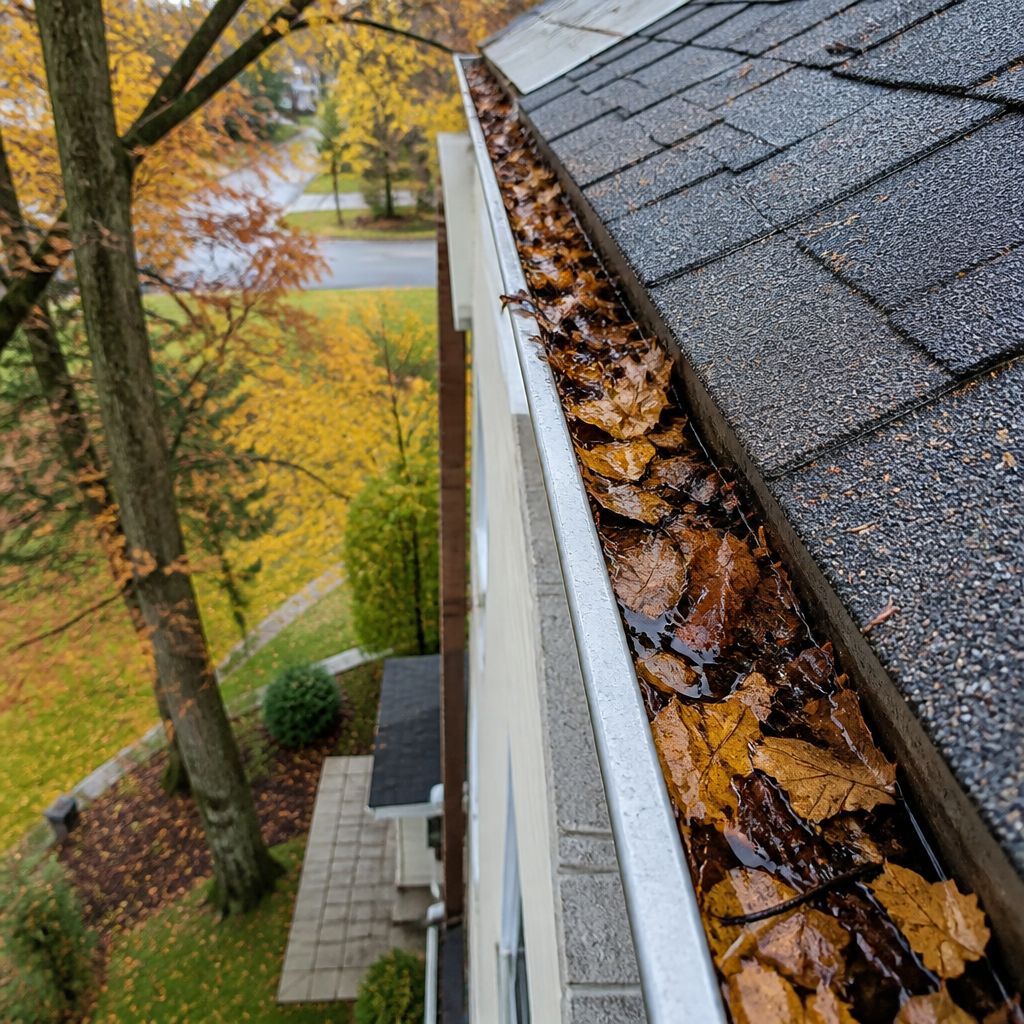
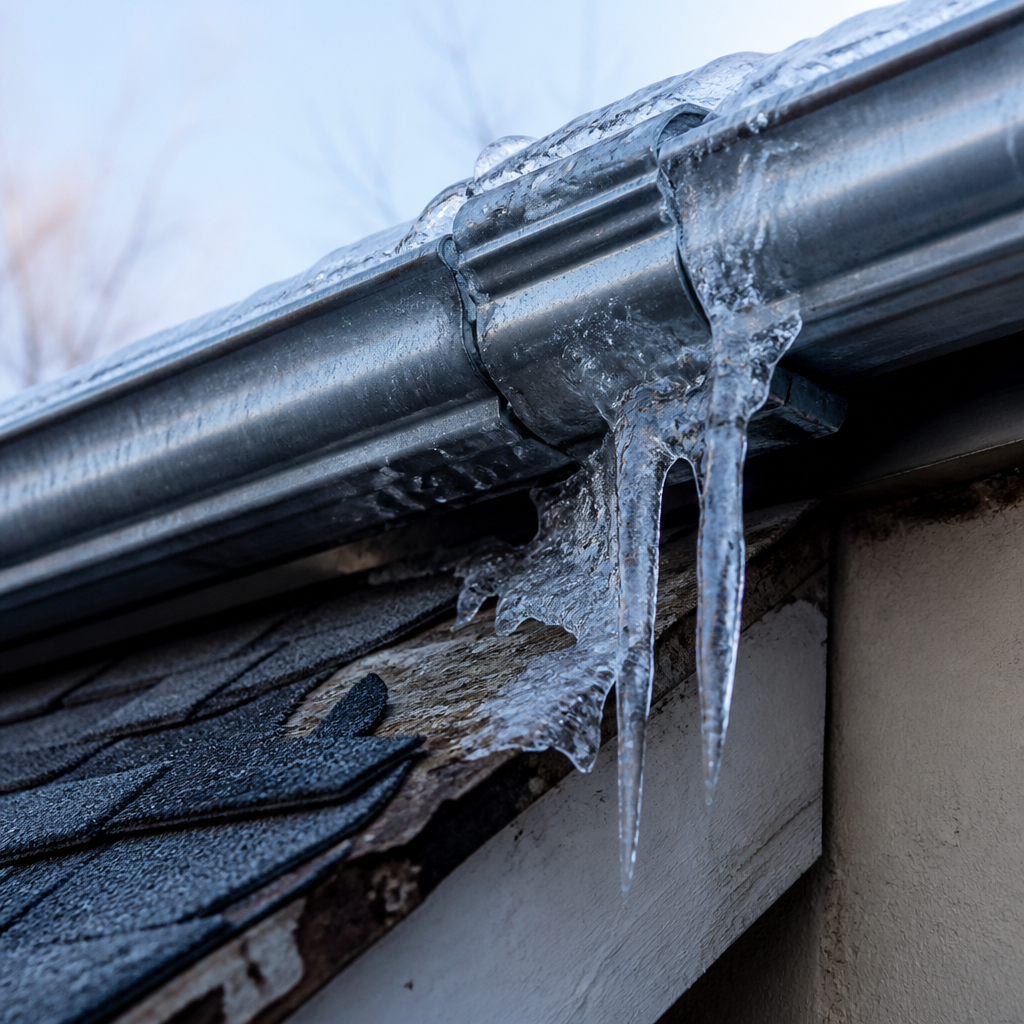
The other Niagara-specific factor is the freeze cycle. Once temperatures drop below zero consistently, any leaf debris sitting in your eavestroughs does not just stay damp. It freezes solid, bonding to the gutter floor and downspout openings. What would have taken a professional thirty minutes to flush out in November becomes a compacted ice-and-debris plug that cannot be safely cleared until spring.
The Fall Window: When Exactly to Clean Your Eavestroughs
The fall cleaning window for Niagara Falls homes is late October through mid-November. That range is not arbitrary. It reflects when the region’s dominant tree species finish their drop, and it gives you enough lead time before hard, sustained freezes lock debris in place.
The Common Mistake: Cleaning Too Early
The most frequent timing error Niagara Falls homeowners make is scheduling a fall clean in early October, when trees still hold fifty to sixty percent of their leaves. The gutters look cleaner for about two weeks, then fill right back up. You have paid for a cleaning that accomplished half the job. The correct approach is to wait until leaf drop is at or near completion before booking, then move quickly before temperatures fall below zero overnight.
The Other Mistake: Waiting Until December
Waiting until December to book is the opposite problem. By early December in Niagara Falls, overnight lows regularly dip below zero. Frozen debris cannot be flushed through a downspout. It also becomes a safety issue for the crew. If you miss the November window, your eavestroughs are going into winter blocked, and that is when ice dams form.
The right fall cleaning happens after the leaves have fully fallen but before the first hard freeze locks debris in place. In Niagara Falls, that means late October to mid-November is your window. Miss it on either side and you are either cleaning twice or not cleaning at all.
Pro tip: Book your fall eavestrough cleaning in September. You will get your preferred date, you will not be competing with every other homeowner in the city booking simultaneously, and you will have a confirmed appointment for early November before schedules fill.
What Happens When You Miss the Fall Window
Skipping fall eavestrough cleaning in Niagara Falls Ontario is not a neutral decision. It sets off a damage chain that gets more expensive the longer it runs.
Ice Dams
When debris in the gutter freezes solid over winter, it forms a barrier that prevents meltwater from draining. That water backs up and forces its way under shingles and into the roof structure. Ice dam damage to sheathing, insulation, and drywall is among the most costly and disruptive repairs a Niagara Falls homeowner can face. It is also entirely preventable with a late-fall cleaning.
Fascia and Soffit Rot
When eavestroughs overflow because they are blocked, water does not just fall off the edge. It pours behind the gutter and against the fascia board. Persistent overflow soaks the fascia, and fascia rot can develop within two to five seasons of neglect. Replacing a rotted fascia run with new wood or aluminum is a repair that costs far more than any number of cleaning visits.
Foundation Saturation
Overflowing gutters dump water directly against your home’s foundation instead of channelling it away through the downspout system. Over multiple seasons, that concentrated water saturates the soil around the foundation, causes settling, and creates conditions for basement water infiltration. Fall gutter maintenance exists precisely to prevent this chain of damage.
How Often Niagara Falls Homes Actually Need Cleaning
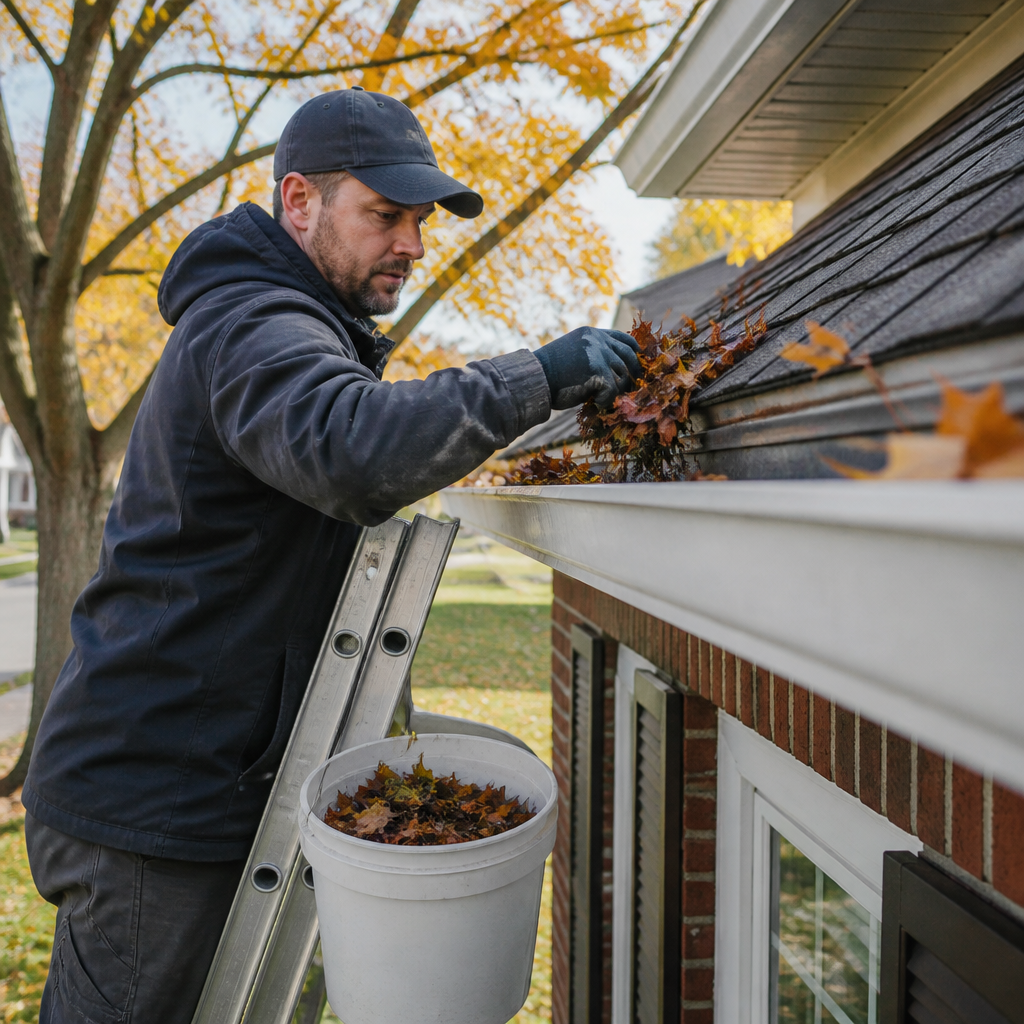
The standard recommendation is twice per year: once in late spring after trees finish releasing seeds and pollen, and once in late fall after leaves have fully dropped. For most Niagara Falls properties, that two-clean schedule is the minimum that makes sense.
When Two Cleanings Per Year Is Enough
A home with few or no overhanging trees, moderate gutter linear footage, and a straightforward roofline can usually manage with a spring clean and a fall clean. The spring clean handles the heavy pollen and seed drop from maples and other early-season debris. The fall clean handles the largest debris load of the year.
When You Need a Third Cleaning
Homes under heavy tree canopy, or with several mature deciduous trees within canopy range of the roofline, may need a third clean, typically in midsummer or after a major late-summer storm. A property with four to six mature deciduous trees can accumulate enough leaf material to completely obstruct every gutter and downspout within two to three weeks of peak leaf fall. If your gutters fill that fast, two annual visits are not sufficient.
Pro tip: After a major windstorm in September or October, walk the perimeter of your home and look up at the roofline. If you can see leaves piled visibly above the gutter edge, that is a signal to move up your fall cleaning date rather than waiting for the scheduled visit.
Signs Your Eavestroughs Are Already in Trouble
Some homeowners know their eavestroughs need attention. Others find out when water is already pouring down the siding. The warning signs that call for immediate attention rather than a scheduled seasonal visit include the following.
Water overflowing during or after rain, not just at the corners but along the entire length of the eavestrough, confirms a blockage somewhere in the system. Gutters visibly sagging or pulling away from the fascia board indicate that standing water has added weight and the hangers have started to fail. Plants growing from the gutters mean organic matter has been building long enough for seeds to take root, which confirms long-term neglect. Water pooling against the foundation after heavy rain, rather than being channelled away through downspouts, tells you the discharge system is blocked or disconnected.
Any of these signs means a cleaning is overdue, not optional. For Niagara Falls homeowners seeing pooling near the foundation or visible fascia staining, it is worth asking whether the problem has already progressed to fascia or soffit damage that needs more than a cleaning to address. A good exterior cleaning crew will flag that during the visit.
DIY vs. Professional Gutter Cleaning in Niagara Falls
The comparison below is not about whether you can clean eavestroughs yourself. Most homeowners can, in principle. The comparison is about what each approach actually delivers and where the trade-offs sit for a Niagara Falls property.
| Approach | What You Get | Where It Falls Short |
|---|---|---|
| DIY with ladder and scoop | Low out-of-pocket cost. Immediate access on your own schedule. | No downspout flush confirmation. Safety risk on two-storey or multi-pitch rooflines. No inspection of hanger condition, gutter alignment, or early fascia damage. Debris disposal is on you. |
| Professional cleaning service | Full debris removal, downspout flushing, visual inspection of gutter condition and hangers, debris bagged and removed. Able to access all roof types and heights safely. | Requires booking in advance, especially during the October-November peak period in Niagara Falls when demand is highest. |
| Gutter guards only (no cleaning) | Reduces cleaning frequency for homes with moderate tree coverage. Can extend the interval between visits on qualifying rooflines. | Does not eliminate cleaning. Ontario’s mix of deciduous trees, spring seed dispersal, and heavy fall leaf drop means guards still require periodic maintenance. Not a substitute for seasonal cleaning. |
The honest position: for a single-storey bungalow with good ladder access and a simple roofline, a careful DIY clean is viable. For any two-storey home, a home with a complex roofline, valleys or dormers, or significant tree canopy above the gutters, professional service is the practical choice. The cost difference between DIY and professional for a standard Niagara Falls home is not large enough to justify the safety risk or the missed inspection value.
What a Professional Fall Cleaning Actually Covers
Not all gutter cleaning services deliver the same scope. When you book a fall eavestrough cleaning in Niagara Falls, the visit should include removal of all leaves and debris from the gutter channel, flushing of every downspout with water to confirm unobstructed flow to the ground, a visual inspection of gutter condition including hanger integrity and any visible gutter separation, and bagging and removal of all debris from your property.
What separates a thorough professional visit from a surface-level clean is the downspout flush. Removing debris from the top of the gutter without confirming the downspout runs clear leaves compacted blockages lower in the system. Water standing in an eavestrough after a flush that does not drain is the most reliable indicator that a downspout is blocked, and that blockage is exactly what causes the overflow damage described earlier.
At Performance Window Cleaning, fall eavestrough cleaning in Niagara Falls is part of a broader exterior maintenance approach that also includes gutter and eavestrough cleaning for the full property, window cleaning to clear the film and debris that accumulates over the summer, and power washing of driveways, walkways, and decks before winter. Pairing these services in one fall visit is efficient and ensures the whole exterior goes into winter in good condition.
Pro tip: Ask any cleaning crew whether they flush downspouts and confirm clear drainage before they leave. If the answer is no or vague, that is a service that is leaving the most important step undone.
Frequently Asked Questions
When is the best time for gutter cleaning in Niagara Falls in fall?
Late October through mid-November is the correct window for most Niagara Falls properties. The Niagara Escarpment’s sugar maples and red oaks peak in mid- to late October, meaning full leaf drop is not complete until late October at the earliest. Cleaning before that point leaves you cleaning again after more leaves fall. Cleaning after mid-November risks hitting the freeze cycle, which locks debris in place and makes a proper flush impossible.
How often do Niagara Falls eavestroughs need professional cleaning?
Twice per year is the standard minimum: once in late spring after seed and pollen drop, and once in late fall after leaves have fully dropped. Homes with several mature deciduous trees within canopy range of the roofline often benefit from a third cleaning, either midsummer or after a major late-season storm. The right answer depends on your specific property’s tree coverage.
What damage can clogged eavestroughs actually cause?
The short list: ice dams that force meltwater under your shingles, fascia rot from persistent overflow against the board behind the gutter, and foundation saturation from water cascading directly against the home instead of being channelled away. Each of these is a repair that costs considerably more than the seasonal cleaning that would have prevented it.
Can I use gutter guards instead of cleaning eavestroughs every year?
Gutter guards reduce cleaning frequency but do not eliminate it. Ontario’s combination of deciduous trees, spring seed release, and heavy fall leaf drop means debris still accumulates on and around guards over time. Guards are a useful supplement for heavily treed Niagara Falls properties, but they are not a substitute for periodic professional cleaning and inspection.
What should a professional fall eavestrough cleaning include?
A complete fall cleaning includes removal of all leaf and debris buildup from the gutter channel, flushing of every downspout with water to confirm unobstructed drainage, a visual inspection of gutter hangers, alignment, and visible fascia condition, and debris bagging and removal from the property. A service that does not flush and confirm downspout flow is leaving the most critical step incomplete.
How much does eavestrough cleaning cost in Niagara Falls in 2026?
For most standard residential homes in Niagara Falls, professional eavestrough cleaning typically runs in a range that reflects home size, number of storeys, linear footage of gutters, and the degree of blockage. Homes under heavy tree canopy or with complex rooflines generally sit at the higher end of any pricing range. Booking outside the peak October-November window can sometimes provide more scheduling flexibility.
Does Performance Window Cleaning service Niagara Falls for eavestrough cleaning?
Yes. Performance Window Cleaning serves Niagara Falls as part of its service area across Ontario, offering eavestrough and gutter cleaning, window cleaning, power washing, home detailing, and bug and spider web removal. The company has been operating since 2008 and serves residential clients in Niagara Falls, St. Catharines, Hamilton, Burlington, Oakville, Mississauga, Fenwick, and Edmonton, Ontario.
If you are a Niagara Falls homeowner heading into fall maintenance season, we would like to hear your experience: have you found a specific timing that works best for your property’s tree canopy and roofline?
References
- Professional gutter cleaning considerations for the Niagara region, including ice dam risk and debris volume from mature tree canopy
- Why Niagara region homes benefit from eavestrough cleaning twice per year and fall timing guidance
- Eavestrough cleaning costs in Ontario for 2026 and seasonal cleaning frequency recommendations
- Fall leaf clog statistics and gutter damage data including debris accumulation timelines for treed properties
- Niagara Escarpment fall foliage peak timing and dominant deciduous tree species reference