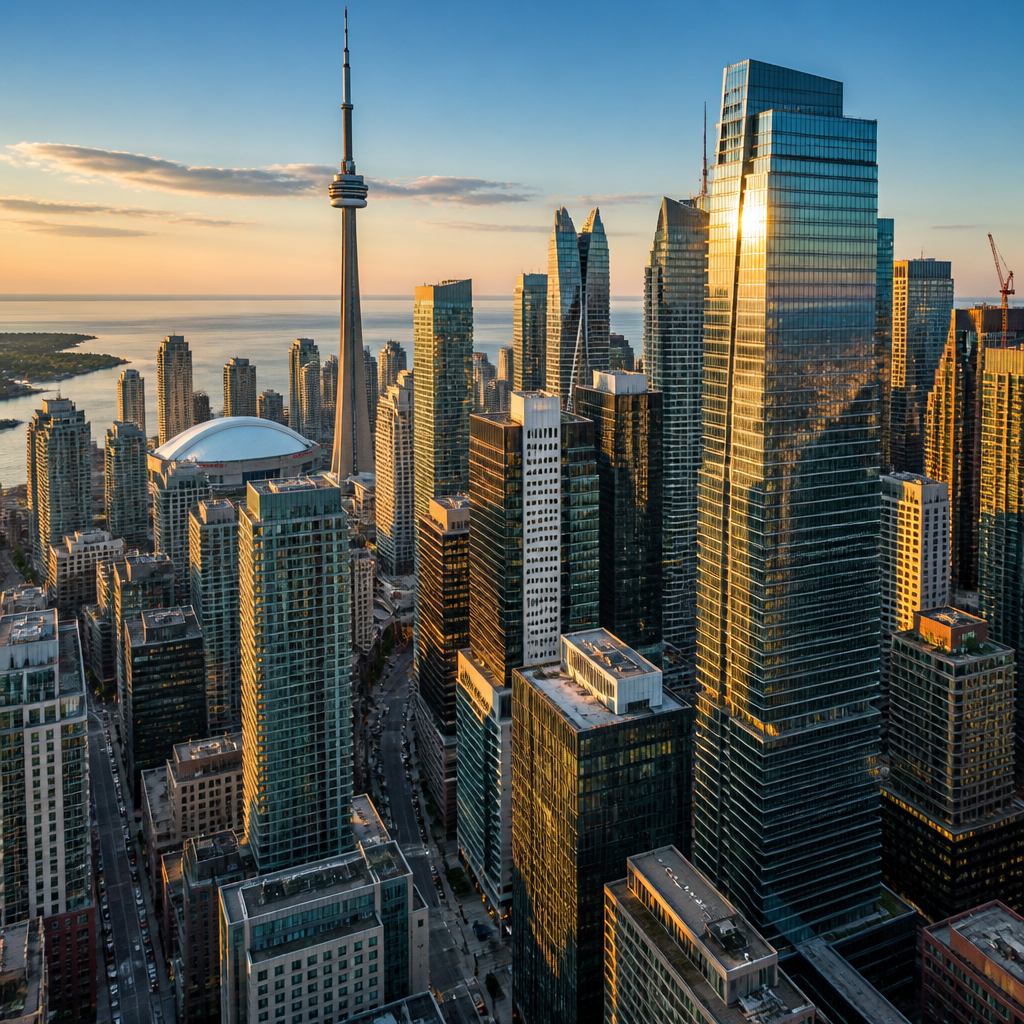
Booking high-rise window cleaning in Toronto is not as simple as calling the first company that shows up in a search. The buildings are taller, the regulatory requirements are stricter, and the consequences of hiring an unqualified crew fall partly on the building owner, not just the contractor. Toronto’s condo towers and commercial high-rises operate under Ontario Regulation 859, a provincial law that dictates exactly how high-rise window cleaning in Toronto must be performed, who can do it, and what equipment is legally required. If you manage a property or sit on a condo board, understanding these standards before you sign a contract protects you, your residents, and the workers on the ropes.
Table of Contents
- Quick Takeaways
- What Ontario Regulation 859 Actually Requires
- Cleaning Methods Compared: Rope Access, Swing Stage, and BMU
- Safety Protocols on Site: What Qualified Crews Do Before the First Rope Goes Over
- How Often Toronto Buildings Need Cleaning
- What High-Rise Window Cleaning Costs in the GTA
- Hiring the Right Contractor: What to Verify Before You Sign
- Frequently Asked Questions
- References
Quick Takeaways
| Key Insight | Explanation |
|---|---|
| Ontario Regulation 859 governs all high-rise window cleaning | This law covers training, equipment, anchor points, fall protection, and weather restrictions. Building owners share legal responsibility if a contractor is non-compliant. |
| Three main access methods exist, and the right one depends on building design | Rope access, swing stage (suspended scaffold), and Building Maintenance Units (BMUs) each suit different facade types and heights. A reputable contractor assesses the building before recommending a method. |
| Boatswain’s chairs are limited to descents under 90 metres | Ontario’s guidance explicitly restricts single-seat boatswain’s chairs from use on descents exceeding 90 metres. Above that threshold, a suspended scaffold or rope access system is required. |
| IRATA and SPRAT certifications are the professional standard for rope access | While not legislated by Ontario regulation, these industry certifications are considered the benchmark for rope access competency in the GTA and are worth verifying before hiring. |
| Most Toronto buildings clean exterior windows once or twice per year | Buildings near construction zones, busy roads, or with heavy pollution exposure often need more frequent service to prevent permanent glass staining and etching. |
| Anchor point documentation is a building owner’s responsibility | Ontario Regulation 859 requires building owners to prepare sketches showing anchor points for suspended equipment before that equipment is used. This is not the contractor’s burden alone. |
| Exterior high-rise cleaning in Toronto runs roughly $125 to $375 or more per unit | Pricing depends heavily on floor level, access method, window count, and glass condition. Mid-rise and rope-access jobs are quoted individually due to the complexity of each site. |
What Ontario Regulation 859 Actually Requires
Ontario Regulation 859, made under the Occupational Health and Safety Act (OHSA), is the governing law for all professional window cleaning involving elevated access in the province. It applies to commercial buildings, high-rise towers, condominiums, and industrial properties. The regulation is not optional, and non-compliance is not just a worker safety issue. Building owners who allow unqualified contractors to work on their property can share legal responsibility for any incident that occurs.
The regulation covers a comprehensive set of requirements. These include rules for fall protection systems, equipment condition and inspection, anchor point preparation, weather limitations, supervisor visit frequencies, and worker training. Every worker performing elevated window cleaning must be trained on fall protection, rope systems, hoisting devices, rigging, and emergency procedures. Faulty or damaged equipment cannot be used under any circumstance.
Anchor Points: The Building Owner’s Obligation
One of the most overlooked requirements is the anchor point obligation on building owners. Ontario Regulation 859 requires that building owners prepare sketches showing the location and design of anchor points suitable for suspended scaffolds, boatswain’s chairs, and lifelines before that equipment is used. This is not something you delegate entirely to the cleaning contractor. If your building lacks compliant, engineered anchor points, no legitimate contractor should be willing to start work.
Pro tip: Before contracting any high-rise window cleaning company, ask to see their Working at Heights training certificates and proof of WSIB coverage. If they hesitate or cannot produce both immediately, find someone else.
Rope Access Under Ontario’s Guidance
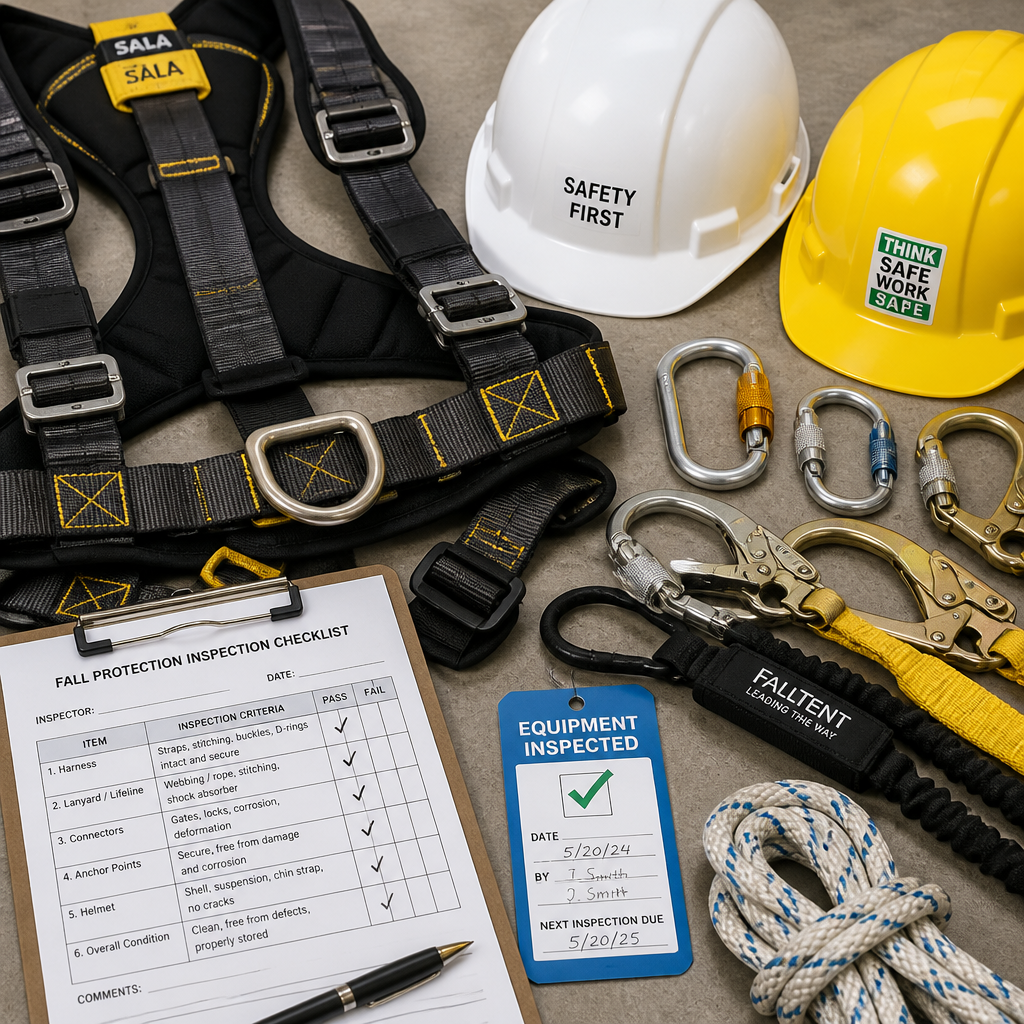
Rope access is treated separately from traditional suspended platforms under Ontario’s guidelines. The Ministry of Labour, Immigration, Training and Skills Development (MLTSD) has published specific guidance on rope access for window cleaning, acknowledging it as a safe work method when done correctly. A rope access system uses a working rope and a separate safety rope for backup fall protection. Kernmantle ropes maintained and inspected in accordance with IRATA or SPRAT standards are generally considered to meet the requirements under the OHSA and Regulation 859. The supervisor appointed for any window cleaning operation using suspended equipment must visit the site at least once daily, as stipulated under Regulation 859, section 44.
Cleaning Methods Compared: Rope Access, Swing Stage, and BMU
Choosing the right access method for a given building is a technical decision, not a matter of preference. The three primary methods used for commercial high-rise cleaning in the GTA each have specific applications, limitations, and cost implications.
| Method | Best For | Key Limitation |
|---|---|---|
| Rope Access | Most GTA high-rises above 15 storeys. Efficient, low footprint, highly maneuverable on complex facades. Requires IRATA or SPRAT certified technicians. | Highly dependent on anchor point quality and wind conditions. Not suitable for all facade geometries. |
| Swing Stage (Suspended Scaffold) | Buildings where multiple technicians need to work simultaneously across large glass panels. Common on office towers and mixed-use commercial buildings. | Requires rooftop rigging setup and is more disruptive to building operations. Higher mobilization cost. |
| Building Maintenance Unit (BMU) | Newer high-rises designed with a permanent BMU installed as part of the building’s original architecture. Most efficient for routine cleaning cycles. | Only available on buildings that were engineered with BMU infrastructure. Cannot be retrofitted economically. |
Rope access is the most common method for high-rise window cleaning across the GTA, partly because it requires the smallest ground footprint and can access areas where a swing stage cannot reach. However, its effectiveness depends entirely on the quality of certified technicians and anchor infrastructure. A building without properly engineered anchor points cannot use rope access legally, regardless of what a contractor tells you.
At height, a single compliance gap creates serious liability exposure. Verify certifications, insurance, and anchor documentation before any crew starts work on your building.
Wind and Weather: A Real Operational Variable in Toronto
Toronto’s dense downtown tower clusters, particularly the concentration of high-rise residential condominiums in the downtown core and emerging clusters in North York, create street-level wind tunnels and elevated building-face wind loads. High winds and heavy rain can make high-rise cleaning not just difficult but unsafe. Qualified contractors will reschedule rather than risk sending a crew out in dangerous wind conditions, and any company that does not have a clear weather cancellation policy is one to avoid.
Pro tip: Ask contractors how they handle weather delays and who is responsible for rescheduling. A professional crew will have a documented wind-speed threshold at which work stops, typically tied to the equipment manufacturer’s operational limits.
Safety Protocols on Site: What Qualified Crews Do Before the First Rope Goes Over
The preparation phase of a high-rise window cleaning job is where the real safety work happens. By the time technicians are suspended on the building facade, every hazard should already have been identified, documented, and mitigated. A competent contractor follows a structured pre-work protocol on every job, not just the first visit.
Pre-Work Hazard Identification
Ontario’s safety standards require hazard identification before work begins on any elevated window cleaning operation. In practice, this means a site inspection to assess anchor point condition, wind exposure at the building’s elevation, obstruction risks such as setbacks and architectural features, and the presence of overhead power lines or rooftop equipment. Public protection is also a requirement. Sufficient warning signs must be posted in prominent locations to alert pedestrians, and barriers or warning systems must protect workers from vehicular or pedestrian traffic below.
Equipment Checks and Inspection Requirements
Under Regulation 859, all ropes and lifelines must meet strict strength and condition requirements and must be securely fastened to approved anchor points. Faulty or damaged equipment cannot be used, and inspection of all gear is required before work begins. This is not a formality. Rope access systems involve a working line and a separate safety backup line, meaning two independent points of failure must both be checked and confirmed. Loose items on any suspended platform must be tied down or secured in containers to prevent dropped objects from endangering pedestrians below.
How Often Toronto Buildings Need Cleaning
Most commercial and residential condo buildings in Toronto clean exterior windows once or twice per year, typically in spring and fall. That frequency is a reasonable baseline for buildings in low-pollution areas, but it is not a universal standard. The right cleaning schedule depends on the specific conditions your building faces.
Factors That Increase Required Frequency
Buildings near active construction sites accumulate concrete dust, silica, and debris at a rate that can permanently etch glass if left too long. Buildings adjacent to heavily trafficked roads in the downtown core or near the Gardiner Expressway face road spray, exhaust residue, and salt during winter months. Toronto’s climate also delivers acid rain and seasonal bird nesting activity that leaves bio-fouling on glass. For any building facing these conditions, a two-per-year schedule will likely be insufficient to prevent permanent glass damage.
In practice, property managers who wait for glass to look visibly dirty are already behind. Mineral deposits and hard-water staining set into glass over time and become progressively harder to remove. A cleaning schedule that stays ahead of buildup is always cheaper than restoration work on etched glass.
What High-Rise Window Cleaning Costs in the GTA
Pricing for high-rise window cleaning in Toronto varies significantly based on building height, access method, window count, glass condition, and the cleaning frequency agreed upon in the contract. Rough market rates for high-rise condo exterior balcony glass cleaning sit around $125 to $225 per unit, while full interior and exterior service for the same units can run from $175 to over $375. For buildings where rope access mobilization is required, mid-rise and high-rise jobs are typically quoted individually because the site variables make flat-rate pricing impractical.
Hourly rates for rope access work in the GTA run higher than standard window cleaning due to the equipment, certification overhead, and insurance requirements involved. Cleaning at height can cost between $150 and $360 per hour depending on the specific building and access conditions. These figures should be treated as market indicators rather than fixed prices, since individual building complexity drives real-world quotes more than any published rate card.
What Drives Cost Up, and What Keeps It Down
The single biggest cost driver is access method. A building where a permanent BMU handles routine cleaning cycles will have far lower per-visit costs than a comparable building where rope access crews must mobilize separately for every service. Buildings that maintain a consistent cleaning schedule also benefit from lower costs over time, because heavy accumulation of dirt, mineral deposits, and biological fouling requires more time, chemistry, and repeat passes than a well-maintained surface. Pairing window cleaning visits with other exterior maintenance work, such as gutter cleaning or facade inspections, reduces per-visit mobilization costs for large buildings.
Hiring the Right Contractor: What to Verify Before You Sign
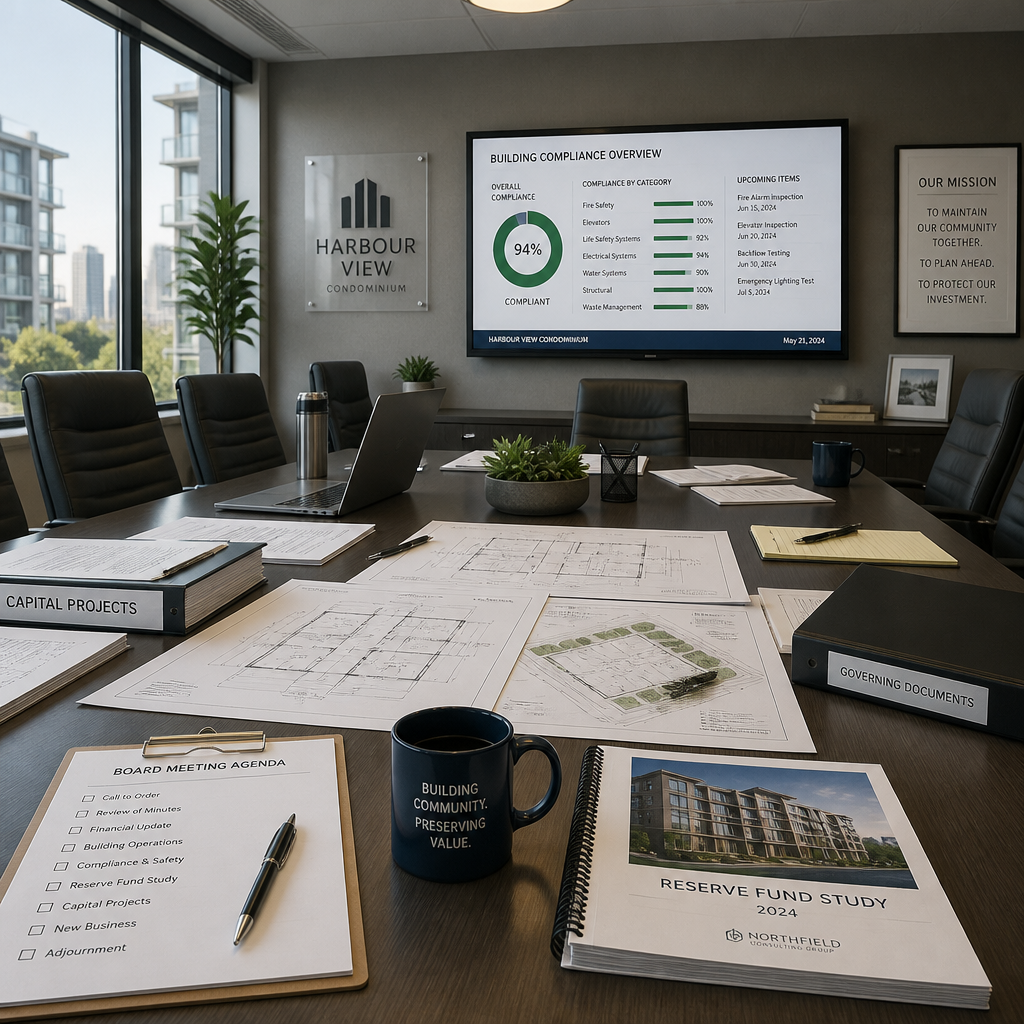
The commercial high-rise cleaning GTA market contains a wide range of operators, and the gap between qualified and unqualified is not always obvious from a company’s website. The following checklist is what property managers and condo boards should use before awarding any high-rise cleaning contract.
Non-Negotiable Documentation Requirements
Every contractor working on elevated exterior cleaning in Ontario must carry valid liability insurance, WSIB coverage, and Working at Heights certification for all workers on site. These are legal minimums, not premium add-ons. For rope access work specifically, IRATA or SPRAT certification for the technicians is considered the professional standard in the industry. A crew that holds these certifications operates under rigorous competency and safety inspection requirements that go beyond the base Ontario regulatory floor.
Ask for proof of anchor point documentation for your specific building. If a contractor cannot explain how they plan to anchor their equipment to your building’s rooftop, or if they have no record of anchor point assessments for your property, that is a disqualifying gap. Also confirm that the company carries insurance specific to elevated and rope access work. General contractor liability policies frequently exclude working-at-heights claims, which means a standard CGL certificate is not sufficient on its own for high-rise window cleaning.
Questions Worth Asking Every Candidate
Ask how they select the access method for a given building, and whether they are certified operators across all three main methods: BMU, rope access, and swing stage. A company limited to one method will recommend that method regardless of whether it is the best fit for your building. Ask how many technicians will be on site, who the assigned supervisor is, and how frequently the supervisor will be physically present during work. Under Regulation 859, the supervisor must visit the work location at least once daily, but a professional crew will have supervision integrated throughout the job, not just a checkbox visit.
Performance Window Cleaning has been providing professional exterior cleaning services since 2008, with the attention to detail and documentation practices that commercial buildings and property managers require. If your building needs reliable, insured exterior cleaning services alongside your high-rise program, including pressure washing, gutter cleaning, and hand-washing of building exteriors, explore the full range of exterior cleaning services available.
Frequently Asked Questions
Is high-rise window cleaning safe for workers in Toronto?
Yes, when performed by properly trained and certified professionals. High-rise window cleaning requires certified technicians, fall-arrest systems, engineered anchor points, and documented safety procedures. Ontario Regulation 859 sets out the legal framework that governs every aspect of how this work must be performed. The risk exists when unqualified operators skip required protocols, which is why verifying certifications and insurance before hiring is essential.
What certifications should a high-rise window cleaning company have in Ontario?
At minimum, all workers must hold Working at Heights certification, and the company must carry WSIB coverage and appropriate liability insurance. For rope access work, IRATA (Industrial Rope Access Trade Association) or SPRAT (Society of Professional Rope Access Technicians) certification for technicians is considered the professional standard in the GTA, though it is not a legislated requirement under Ontario Regulation 859. Ask for certificates by name before any crew starts work.
How often should a Toronto high-rise building have its windows cleaned?
Most residential and commercial buildings in Toronto schedule exterior window cleaning once or twice per year. Buildings near construction sites, heavily trafficked roads, or in areas with significant pollution exposure typically need more frequent service to prevent glass etching and permanent staining. A qualified contractor will assess your building’s specific conditions and recommend a schedule based on what they observe, not a generic formula.
Who is responsible for anchor points on a high-rise building in Ontario?
Under Ontario Regulation 859, building owners are responsible for preparing documentation showing the location and suitability of anchor points for suspended equipment before that equipment is used for window cleaning. This means the responsibility does not rest entirely with the cleaning contractor. If your building’s anchor points are not documented, engineered, or compliant, you need to address that before any suspended work can legally begin.
What is the difference between rope access and a swing stage for window cleaning?
Rope access involves individual certified technicians descending the building facade using a working rope and a separate safety backup rope, with full fall arrest systems. It is the most common method for GTA high-rise cleaning because it requires minimal ground footprint and can access complex facade shapes. A swing stage, also called a suspended scaffold, is a platform suspended from above that allows multiple workers to clean simultaneously across wider sections of glass. Swing stages have higher mobilization costs but suit buildings where large uniform glass panels need to be cleaned quickly and in parallel.
Can a boatswain’s chair be used on any high-rise building in Toronto?
No. Ontario’s guidance restricts the use of a boatswain’s chair to situations where the descent does not exceed 90 metres. Above that threshold, a suspended scaffold or rope access system must be used instead. The choice of method also depends on the building’s anchor point configuration, facade design, and the scope of the cleaning required.
What should a property manager do before the cleaning crew arrives on site?
Confirm that your building’s anchor point documentation is current and accessible. Notify residents of the scheduled work dates, especially if crews will be passing balconies or windows during the cleaning. Ensure the rooftop access is cleared and any rooftop equipment that could obstruct rigging is flagged in advance. Request a copy of the contractor’s site-specific safety plan and confirm who the on-site supervisor is. These steps prevent delays on the day of service and keep the project compliant with Ontario’s workplace safety requirements.
Have you managed or arranged high-rise window cleaning for a Toronto building? Share what questions or challenges came up in your experience, since your insight could help other property managers make better decisions.
References
- Ontario Ministry of Labour: Access and Fall Protection Standards for Window Cleaning
- Ontario Regulation 859 Window Cleaning Rules: Full Breakdown
- Commercial Window Cleaning Toronto: Scheduling, Methods, and Scope Guide
- Residential High-Rise Window Cleaning in Toronto: What Building Managers Need to Know
- High-Rise Window Cleaning Platforms: How to Choose the Right Access Method