
Most Mississauga sellers spend their prep time indoors, scrubbing counters and staging bedrooms, then wonder why buyers seem unimpressed before they reach the front hall. A late-fall open house puts your exterior under low, grey light, with leaves on the lawn and eavestroughs holding wet debris. That is exactly what buyers see on the walk up. Done right, exterior cleaning for real estate in Mississauga is a short, ordered job, and it is the most effective exterior cleaning real estate Mississauga sellers can book before listing. This guide covers what to clean, in what order, and what to skip.
Table of Contents
- Quick Takeaways
- Why Late-Fall Listings Need a Different Exterior Plan
- Gutters and Eavestroughs Come First
- Window Cleaning Before Listing Photos
- Power Washing Driveways, Walkways and Entries
- Home Detailing for Siding, Doors and Hardware
- Spider and Web Removal Before Showings
- DIY Versus Professional Exterior Cleaning
- A Three-Week Exterior Schedule for Open Houses
- Frequently Asked Questions
- References
Quick Takeaways
| Key Insight | Explanation |
|---|---|
| Gutters and eavestroughs get cleaned first | Debris that drops after the glass is washed leaves streaks, so clear the runs before anything else. |
| Windows get washed last | Gutter work, power washing, and spider removal all throw grit and water onto glass, so glass goes on the final day or two. |
| Book exterior work two to three weeks out | That window absorbs a rain delay, a repair, or a callback without rushing the crew. |
| Power wash only on mild, dry days | Water trapped in cracks can freeze overnight in late fall and flake concrete, so check the forecast for several days. |
| Remove spider webs before the photographer arrives | Fall brings webs to eaves, door frames, and porch lights, and they are often the first thing a buyer notices. |
| Detail the front door and hardware last | Buyers touch the door and handle during the walkthrough, so these surfaces should look fresh on showing day. |
| Clear the walk of bins, hoses, and decor | Clutter on the path makes the photos show the stuff, not the house. |
Why Late-Fall Listings Need a Different Exterior Plan
Spring and summer listings get forgiveness for a tired front yard because the grass is green and the light is generous. A late-fall listing gets none of that. By mid-afternoon the sun sits low, the house falls into shadow, and every streak on the glass, green film on the siding, and dead leaf in the beds shows up in your listing photos and on the walk up.

HomeLight’s guide to preparing a home for sale argues that a deep clean can lift a property’s value by 3% to 10%, and that buyers are more forgiving of small flaws when the house is spotless. I agree with the principle, but the exterior is where most sellers underinvest. The inside still takes the bigger budget, yet the outside is where a buyer’s first judgment forms, and it is the cheapest part of the house to fix.
In practice, I treat the exterior as one project with a sequence. Most underwhelming exteriors I have seen were not dirty in one place. They were dirty in four places, cleaned in the wrong order, so each job undid the one before it.
“When your house is clean from top to bottom, buyers are more receptive to overlooking missing wishlist items like a must-have fireplace.”
Kim Pratt, a top-performing agent in Tarrant County, Texas, made that point in HomeLight’s guide. The same logic applies in Mississauga. A clean exterior earns goodwill for the things you could not fix before listing, and it sets the tone before anyone steps inside.
Gutters and Eavestroughs Come First
Gutters and eavestroughs are the first job on my list because everything they hold ends up somewhere else. Wet leaves, shingle grit, and seed heads wash down the siding and across the windows the moment it rains, or the moment you hose them out. If you clean the glass first and the eavestroughs second, you pay twice to wash the same window.
A late-fall property usually has the worst of the year’s leaves packed into the runs. That debris is often compacted and partly decomposed, so a quick scoop from the ground does not clear it. We work from a ladder, lift the material out by hand, and flush each section so the water has a clear path to the downspout.
Why debris has to come out before anything else
The order matters for a practical reason. Once the eavestroughs run clean, any water that falls during open house week goes where it is supposed to go. A buyer who sees a dark stain running down the brick below a sagging gutter notices it, and asks about it, even when the roof is sound.
Checking downspouts and fascia after the clean
Flushing is the test. Run water through each downspout and watch the outlet. If the water backs up at a joint or slows to a trickle, you have a clog or a loose section, and it is better to find that two weeks before the showing than during it.
While you are up there, look at the fascia and soffit. Loose sections, peeling paint on the fascia, and wasp nests tucked under the soffit are easy to miss from the ground and easy for a buyer to spot from the driveway.
Pro tip: Check the downspout extensions as well. Splash blocks or extensions that dump water beside the foundation invite questions during inspections, and a buyer’s inspector will look at them closely.
Window Cleaning Before Listing Photos
Windows are the most visible part of the exterior and the most sensitive to timing. Exterior glass cleaned in the morning can be dry by the time the photographer arrives in the afternoon, but one shower or a gust carrying leaf dust can undo the job. That is why I book glass for the last day or two, after all the other work is finished.
On exterior glass, we clean the panes and frames, then the sills, then the screens. Screens are the item sellers forget most often. Dirty screens dim the light coming through every window on that wall, and in a photo they make a clean pane look hazy.
Exterior glass, screens, and sills
Screens should come out, get rinsed or brushed, and go back in dry. Sills collect a lot of grit in fall from leaves and the dust that blows across the driveway. Wipe them down with a damp cloth after the glass is done, so you are not spotting fresh marks onto clean frames.
Interior glass, tracks, and the day-before pass
Interior glass goes on the day before the open house, not the week before. Fingerprints, cooking grease near the kitchen window, and dust in the tracks come back fast once a house is full of people. Clean the tracks with a small brush and vacuum out the debris, because buyers slide the patio door and feel the grit under their hand.
The day-before pass is also when I check window corners for new webs and look at blinds that have gathered dust or yellowed. Open every blind fully and set them at the same height across the room so the sightlines look deliberate.
Power Washing Driveways, Walkways and Entries
Power washing sounds like the easiest win and often causes the most damage. Used on the wrong surface or at the wrong pressure, a pressure washer can strip paint, etch concrete, or force water into siding seams. Used well, it lifts the green film and oil staining that make a driveway look older than the house.
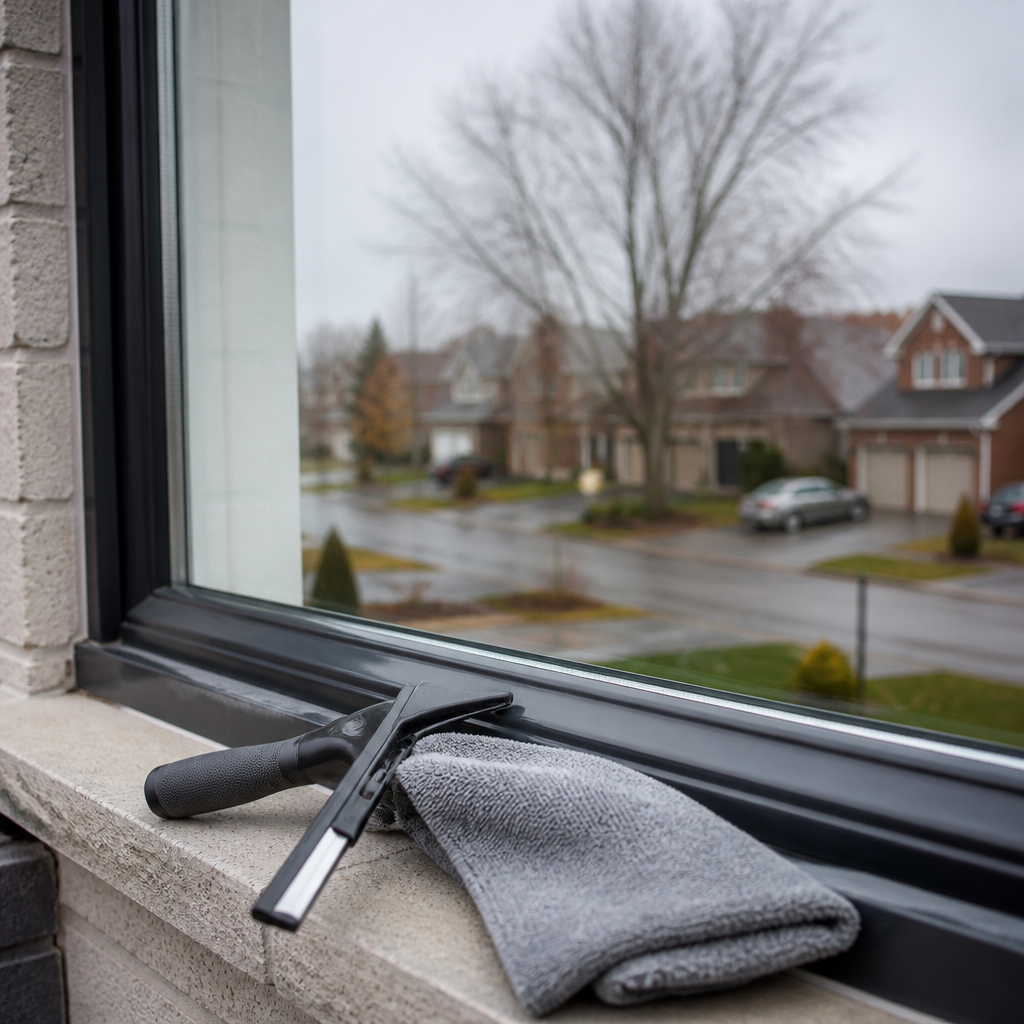
I would never rely on power washing alone to carry the exterior. It is fast and visible, which is why owners like it, but it works best as one step in a sequence that starts with gutters and ends with glass.
Timing around Ontario’s late-fall weather
Late fall brings freeze and thaw cycles, rain that comes and goes, and short days with less time for drying. Water left in cracks or pooled on the surface overnight can freeze, and that is when concrete begins to flake. Plan the wash for a mild day with enough daylight left for the surface to dry before evening.
Watch the forecast for several days out. If the week of the open house turns cold, move the wash earlier and accept that the driveway may show a few water marks while it dries. Those marks fade. Flaked concrete does not.
Driveways, walkways, and the steps to the front door
Driveways and walkways show oil and moss in photos, and buyers read the maintenance level from them. Work from the top of the slope down so dirty runoff flows over surfaces you have not cleaned yet. Rinse the edges and joints, then give the front steps extra attention, since that is the surface buyers stand on while they wait for the door to open.
Decks need a gentler hand. Wash them with a wide fan tip and a cleaner made for wood. A deck blasted at high pressure looks raw in photos, and the splintered grain is the kind of damage a buyer’s inspector will ask about.
Home Detailing for Siding, Doors and Hardware
Detailing is the part of the job sellers rarely order and buyers notice immediately. Hand-washing siding, cleaning the entrance door, and wiping down hardware tells a buyer the house has been looked after, even when the roof is ten years old. It is slower than pressure washing, and it is the step I refuse to rush.
Hand-washing siding and trim
Vinyl, aluminum, and painted wood each need a different approach. We use a soft brush, a mild cleaner, and a low-pressure rinse, working from bottom to top so streaks do not run into clean sections. Trim, corners, and the area under the eaves collect the most grime, so start there and then do the open wall.
Pay attention to the lowest two feet of siding near the lawn. Rain and sprinkler splashback leave a dirt line that makes an otherwise clean elevation look neglected in photos.
The front door and entry hardware
The front door is the one surface every buyer touches on the way in. Clean the glass panels, the frame, and the threshold, then polish the handle, lock, and house number. A fresh mat and a clean porch light finish the entry, and both are inexpensive items that photograph well.
Check the door sweep and threshold for leaves and grit. Buyers open and close the door many times during a showing, and a door that scrapes over a dirty threshold sends a small but lasting signal about maintenance.
Spider and Web Removal Before Showings
Spiders are a fall problem. As the weather cools, webs appear in the corners of eaves, around porch lights, along the top of door frames, and inside garage openings. A house with webs at the entry looks neglected, and at a late-fall open house the webs are often the first thing a buyer mentions to their agent.
Spider and web removal is part of our bug and spider work, and I schedule it before the photographer arrives rather than on the morning of the open house. Webs can return quickly in some spots, so the timing is part of the job.
Where webs come back in fall
Webs gather where light draws insects. Porch lights, soffit vents, and the gap between the garage door and its frame are the usual spots. Check these areas on the morning of the shoot, since new webs can show up within a day or two of a clean.
Removing webs and treating the entry without residue
Remove visible webs and egg sacs with a long, soft brush or a low-pressure rinse, starting at the top and working down. For spider control, product choice and placement matter. Treat the perimeter and the eaves, follow the label directions, and keep any treatment off the door, the mat, and plantings along the walk.
Pro tip: Do web removal on the same day as the gutter work. You are already on the ladder, and the debris from the eaves drops onto the same walk you are about to clean.
DIY Versus Professional Exterior Cleaning
Some sellers can do most of this themselves, and some should. The real question is which jobs are worth your time, and which ones you will regret attempting with a rented machine two days before the open house.
The table below compares the three routes I see most often in our area. None of them is wrong for every house, but each has a failure point that shows up in the photos.
| Approach | Best For | Where It Falls Short |
|---|---|---|
| Hose, brush, and a ladder you already own | Smaller lots with light debris and a few windows | Packed gutter debris is hard to clear without proper tools, and a hose alone leaves film on siding and glass. |
| Rented pressure washer | Hard surfaces such as driveways and walkways | Too much pressure damages siding, wood, and painted trim, and splashback dirties clean surfaces if the order is wrong. |
| Full exterior package from one provider | Listings that need gutters, glass, siding, and hard surfaces done in one coordinated window | It costs more up front and needs booking ahead, so the schedule has to be locked around a fixed open house date. |
The package route makes the most sense when sequence matters most, which is true of most open house timelines. You get one schedule, one crew, and one person responsible for the splashback problem. That is the main advantage I would point to, more than speed.
If you go the DIY route, do the hard surfaces first, glass last, and never run a pressure washer on wood or painted trim without testing a small spot in an inconspicuous corner.
A Three-Week Exterior Schedule for Open Houses
This is the schedule I would give any seller in Oakville, Burlington, or Mississauga with a fall open house on the calendar. Adjust it for the weather, but keep the order. If the exterior needs real repair work, such as eavestrough replacement, heavy moss removal, or failing caulk, start three weeks out so a return visit does not land on the showing.
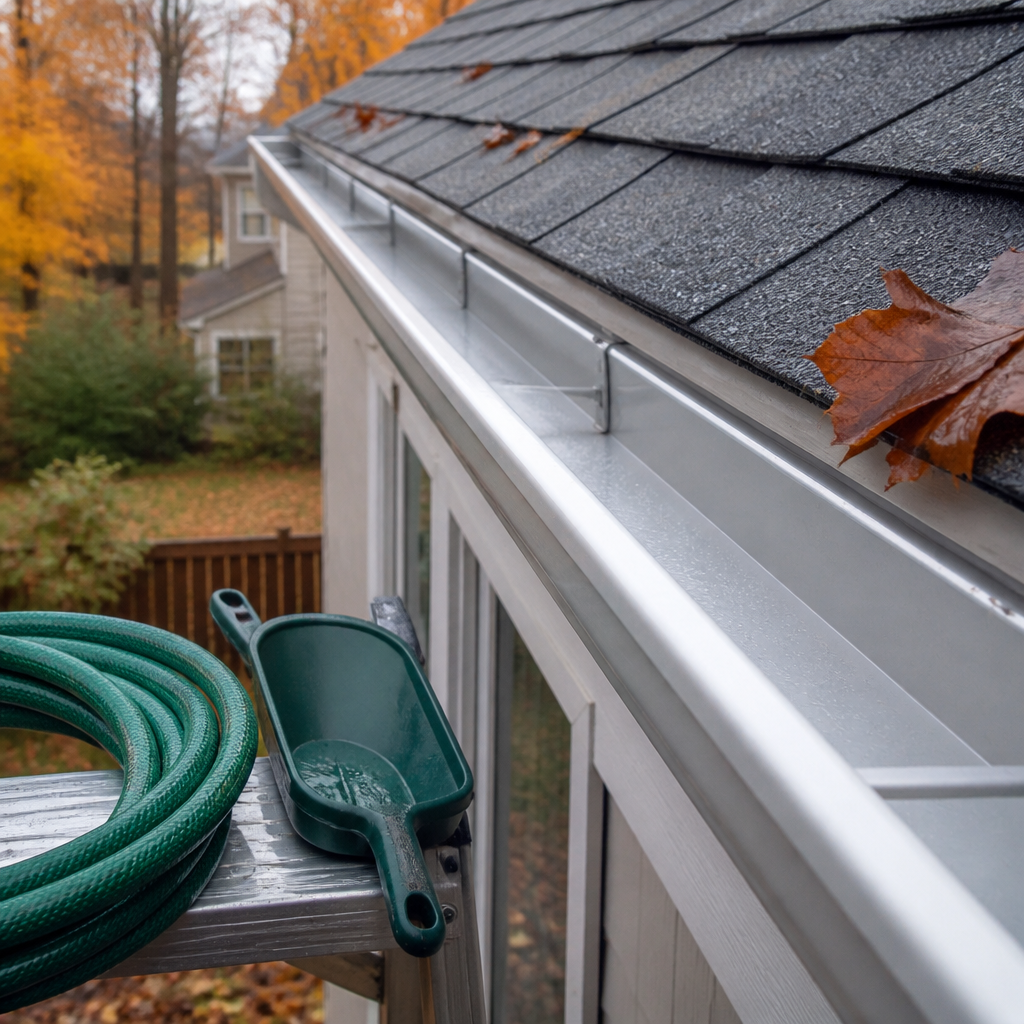
Two to three weeks out
Book the gutters, eavestroughs, and spider removal first, and ask for a downspout flush. If a contractor is already on site for fascia or soffit repairs, do those before the glass work, since a repair after the clean puts dust back on everything.
The final week
Power wash the driveway and walkways on a mild day, then detail the siding and the entry door. Check the forecast again two days out. If rain is coming, move the hard-surface work earlier rather than trying to dry a driveway with a leaf blower.
The 48 hours before the open house
Clean the exterior glass and screens, wipe the sills, and polish the door hardware. Set out a fresh mat, replace the porch bulb, and remove bins, hoses, and seasonal decor from the walk. On the morning of the open house, check for new webs and walk the path the way a buyer would.
Pro tip: Walk the route from the curb at the same time of day your open house starts. Late-fall light changes quickly, and a spot that looked fine at noon can show shadow, moisture, or a leaf pile by mid-afternoon.
Frequently Asked Questions
Should exterior cleaning happen before or after staging the inside?
Exterior work comes first in the schedule, and interior glass and final staging happen the day before. Dust and grit from outside work will settle on freshly staged furniture if you reverse that order.
Is exterior cleaning worth paying for if the house already looks tidy from the street?
Looking tidy from the street is not the same as being photo ready. Street distance hides a lot, while listing photos and the walk to the door are close up, and that is where algae lines, grit in the eavestroughs, and webs show.
Can power washing damage siding before a sale?
Yes, if the pressure is too high or the tip is too narrow. Use a low-pressure rinse or soft wash for vinyl and painted wood, and always test a small area first.
How far ahead should I book exterior cleaning for an open house?
Two to three weeks is a good window for a full package. That gives you room for a rain delay, a repair, or a callback without moving the open house.
Do I need to clean the screens if the windows stay closed during showings?
Yes. Natural light passes through the screens in every photo, and a buyer who opens a window will feel the dust on their hands.
What should I do if it rains the day before the open house?
Skip the power washing and any detailing that depends on dry weather. Confirm the glass timing against the forecast, because a shower right after glass cleaning leaves spots that are harder to remove than the dust they replaced.
Have you prepped a Mississauga home for a fall showing, and did the exterior make a visible difference to your buyers? Share your experience with us through the contact form on our site.