
Most homeowners in Mississauga book a professional exterior cleaning appointment and then do nothing until the crew shows up. That is a mistake. The 30 to 60 minutes you spend preparing your property beforehand directly affects how clean your home gets, how safely the job is completed, and whether the team finishes on schedule. Exterior cleaning Mississauga properties requires navigating everything from second-storey windows to landscaped front yards, and a little prep work on your end makes the difference between a rushed job and a thorough one. This guide tells you exactly what to do before Performance Window Cleaning arrives.
Table of Contents
- Quick Takeaways
- Why Preparation Matters for Exterior Cleaning
- Step 1: Clear the Perimeter of Your Home
- Step 2: Close All Windows, Doors, and Vents
- Step 3: Protect Plants and Landscaping
- Step 4: Secure Electrical Fixtures and Outdoor Items
- Step 5: Prepare for Gutter and Eavestrough Cleaning
- Step 6: Communicate With Your Cleaning Team
- Comparison of Preparation Approaches
- Frequently Asked Questions
- References
Quick Takeaways
| Key Insight | Explanation |
|---|---|
| Clear the perimeter the evening before | Moving patio furniture, potted plants, and outdoor equipment the night before saves time on service day and prevents last-minute scrambling. |
| Every window must be fully closed and latched | Even a window cracked half an inch can allow enough water to soak curtains or damage flooring during pressure washing or window cleaning. |
| Tell the team about known issues in advance | Rotted fascia, a loose downspout, or a damaged window seal should be flagged before work begins so the crew can adjust their approach. |
| Move vehicles out of the driveway | Power washing driveways and siding sends debris and overspray in all directions. A parked car in the driveway is an unnecessary risk. |
| Secure or cover immovable outdoor objects | Built-in benches, large planters, and flower beds that cannot be moved should be covered with waterproof tarps secured with tape or weights. |
| Contain pets indoors for the full duration | Hoses, ladders, and water pressure are hazards for pets. Keep them inside with access away from exterior doors to avoid accidental escapes. |
| Grant clear access to water sources | Confirm your outdoor hose bib is accessible and working. Many exterior cleaning setups depend on a reliable water connection at your property. |
Why Preparation Matters for Exterior Cleaning
A professional exterior cleaning visit is not a passive event where you hand over a key and walk away. The results you get are shaped by how ready your property is when the team arrives. Preparation protects your belongings, speeds up the job, and prevents the kind of avoidable damage that turns a great cleaning experience into a frustrating one.
In practice, preparation falls into two categories: physical setup (moving objects, closing windows, covering fixtures) and communication (flagging problem areas, confirming access points). Both matter. Skipping either one creates friction that the crew has to work around, and that friction eats into the time they could spend doing a more thorough job on your siding, gutters, or windows.
Mississauga properties tend to have a mix of features that require specific attention before a cleaning visit: mature trees that drop debris onto eavestroughs, attached garages with electrical outlets near the driveway, landscaped front yards with perennial beds close to the foundation, and second-storey windows that require ladder work. The checklist below addresses all of these.

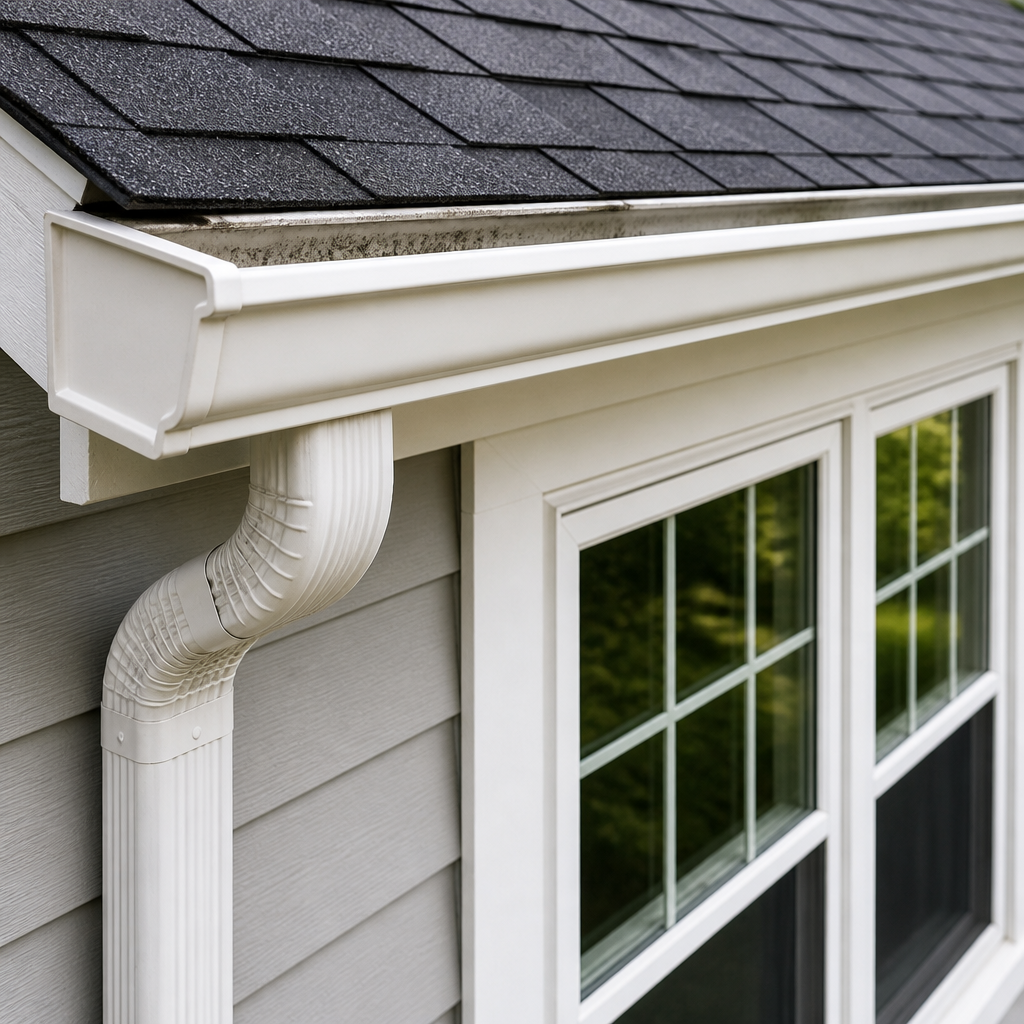
Step 1: Clear the Perimeter of Your Home
The single most effective thing you can do before a professional exterior cleaning visit is remove everything from around the outside of your home. High-pressure water, hoses, and ladder placement demand a clear working zone. Objects left near exterior walls can be knocked over, soaked, or turned into obstacles that slow the crew down.
What to Move Before the Team Arrives
Go around the entire perimeter of your home and relocate the following:
- Patio furniture including chairs, tables, cushions, and umbrellas
- Potted plants and hanging baskets, especially those near windows or along walkways
- Grills and smokers, moved at least 10 feet from the house or into the garage
- Garden tools, hoses, and sprinklers – coil hoses and hang them out of the way
- Toys, bikes, and sports equipment
- Doormats and decorative signs near entryways
- Trash and recycling bins, moved at least 15 feet from the house
- String lights or decorative lighting attached near rooflines or window frames
If an item is too large or heavy to move, like a built-in bench or a fixed raised garden bed, cover it with a waterproof tarp secured with tape or weights, and let the team know it is there. A quick walkthrough the evening before the appointment is the most efficient way to get this done without rushing on service day.
Pro tip: Take a phone photo of your perimeter before and after you clear it. This gives you a reference for where everything goes back, and it forces you to do a complete walk-around rather than clearing only the areas you can see from the door.
Step 2: Close All Windows, Doors, and Vents
This step is consistently the most overlooked part of preparing for window cleaning and pressure washing. Homeowners assume they have closed everything, and then a crew finds a cracked basement window or a pet door left unlocked. Water intrusion during a cleaning visit can soak flooring, damage window trim, or affect electrical outlets near the sill.
The Full Window and Door Checklist
Walk through every room of your home and verify the following:
- Every window on every floor is fully closed and latched, not just pulled shut
- Sliding doors are locked in the closed position
- Skylights and roof vents are sealed
- Basement window wells are clear of debris and the windows are shut
- Attic or crawl space vents with loose covers are secured
- Pet doors or doggie doors are locked or blocked from the outside
Do not assume the second floor is fine just because you never open those windows. During hot Mississauga summers, it is common to leave upstairs windows cracked overnight and forget about them before a morning appointment. A room-by-room check takes less than five minutes and prevents real damage.
Pro tip: If you have older windows with known seal issues or damaged weather-stripping, flag them directly when you book your appointment. Performance Window Cleaning can adjust water pressure or technique around vulnerable frames rather than treating them the same as a newer, sealed window.
Step 3: Protect Plants and Landscaping
Mississauga properties often have established gardens, perennial borders, and mature shrubs close to the foundation. Pressure washing and exterior cleaning involve significant water volume and, in some cases, cleaning solutions that can affect plant health if runoff is not managed carefully.
Pre-Wetting as a Simple Protection Measure
Pre-wetting the soil and plants around your foundation before the crew starts is one of the most effective and underused preparation steps. Saturating the ground first dilutes any cleaning solution runoff, reducing the concentration that reaches plant roots. It also reduces the environmental impact of the rinse water.
What to Move and What to Cover
Move all potted plants to a location at least 10 feet from the work area. For in-ground beds and established shrubs that cannot be relocated, lay waterproof plastic sheeting or tarps over them and secure the edges. Remove the covers as soon as the crew has finished that section of the house so the plants are not sitting under plastic in full sun for longer than necessary.
Preparation is not about distrust of the crew. It is about removing every variable that could compromise the result. A clean, clear work zone lets professionals do their best work.
Step 4: Secure Electrical Fixtures and Outdoor Items
Exterior electrical outlets, light fixtures, and hardwired features like security cameras need attention before any water-intensive exterior cleaning. This is especially relevant for power washing, where water pressure can force moisture into any gap or unsealed housing.
How to Handle Electrical Fixtures
Exterior light fixtures should be covered with plastic bags or waterproof tape where possible. Do not cover them in a way that traps heat if the lights are on. Ideally, turn off the circuit for exterior lighting through your breaker before the crew begins pressure washing that section. Exterior electrical outlets that are not weatherproof should be taped with waterproof tape before work begins. Let the cleaning team know where all external electrical points are so they can avoid directing high-pressure water at them.
Security Cameras and Smart Devices
Most modern security cameras marketed as outdoor-rated are water-resistant, not waterproof under sustained pressure. If you have cameras mounted near areas being cleaned, either angle them away temporarily or cover them with a plastic bag secured with a rubber band. Let the crew know their locations so ladders are not placed against them.

Step 5: Prepare for Gutter and Eavestrough Cleaning
If your appointment includes gutter and eavestrough cleaning, there are a few specific steps that make the job more effective. Mississauga’s tree canopy, particularly in older neighbourhoods, means eavestroughs fill up with leaf debris, seed pods, and compacted sediment. Preparation helps the crew work faster and prevents debris from being flushed onto surfaces you want kept clean.
Clear Roof Access Points
If there are items stored in any second-storey outdoor area, deck railing, or area adjacent to the roofline, move them before the crew arrives. Ladders need to be placed safely, and anything leaning against the fascia or blocking gutter sections makes the work harder and slower.
Know Where Your Downspouts Drain
During eavestrough cleaning, flushed debris and water will exit through your downspouts. Know where your downspouts drain, whether to a splash pad on the ground, a buried drainage pipe, or directly to the lawn. If a downspout drains toward a window well or a finished basement entry, mention this to the crew so they can flush carefully or use a bucket to catch debris rather than hosing it through.
Pro tip: If your eavestroughs have not been cleaned in more than one season, there is a good chance the downspouts are partially blocked. Flagging this before the appointment lets the crew come prepared with the right tools to clear a blockage rather than discovering it mid-job.
Step 6: Communicate With Your Cleaning Team
The best preparation checklist in the world only goes so far if the crew does not know what they are walking into. Direct, specific communication before the appointment prevents misunderstandings, protects problem areas, and ensures the scope of work matches what was quoted.
What to Flag When You Book
When booking your appointment with Performance Window Cleaning, mention any of the following that apply to your property:
- Rotted or damaged fascia boards that cannot take ladder pressure
- Window frames with known seal failures or damaged weather-stripping
- A specific downspout that was blocked last season
- Flower beds or garden features very close to the house foundation
- A pet that will be inside and might react to noise
- Parking restrictions that affect where the service vehicle can stop
- Access gates that need to be unlocked on service day
Confirm Water and Power Access
Make sure your outdoor hose bib is turned on and functioning before the crew arrives. If your outdoor tap was winterized and you have not turned it back on yet, do this the day before. Confirm whether the crew needs access to an exterior electrical outlet, and have that circuit on and accessible. A five-minute call or message exchange the day before the appointment eliminates the most common service-day delays.
Comparison of Preparation Approaches
Not every homeowner prepares the same way. Here is a straightforward comparison of three common approaches and what each one actually delivers in terms of results and risk.
| Preparation Approach | What It Involves | Typical Outcome |
|---|---|---|
| No preparation at all | Homeowner does nothing before the crew arrives. Furniture stays in place, windows may be open, no communication about problem areas. | Crew spends time moving items themselves, may skip areas that are blocked, risk of water intrusion or item damage is high. Job takes longer and results are incomplete. |
| Partial preparation | Homeowner moves obvious items like patio chairs but leaves smaller objects, does not check upper-floor windows, skips communication about known issues. | Better than nothing, but the crew still encounters preventable obstacles. Results are good in accessible areas, inconsistent elsewhere. Minor damage risk remains. |
| Full preparation using this checklist | Perimeter cleared, all windows and doors checked, plants covered or moved, fixtures secured, problem areas communicated in advance, water access confirmed. | Crew works efficiently from the moment they arrive. Full access to all surfaces means a thorough, consistent clean. Damage risk is minimal. Job finishes on time. |
The pattern is consistent: the more completely you prepare, the better the job goes. Full preparation is not extra effort, it is the baseline that gets you the result you are paying for.
Frequently Asked Questions
How long before the appointment should I start preparing my home?
The evening before is the ideal time for the bulk of the preparation, particularly moving outdoor furniture and checking windows. Confirm water and electrical access the morning of the appointment. Do not leave preparation for the hour before the crew arrives, because rushed prep leads to missed steps.
Do I need to be home during the exterior cleaning visit?
You do not need to be present for the entire visit, but you should be available by phone. If any unexpected issue comes up, such as a blocked downspout or a section of damaged siding, the crew needs to be able to reach you quickly for direction. It is also worth being home at the start to walk the crew through any flagged problem areas in person.
What happens if it rains on the day of my appointment?
Light rain does not always prevent exterior cleaning work, particularly window cleaning and gutter cleaning. Heavy rain or lightning will typically result in a rescheduled appointment. Contact Performance Window Cleaning directly if you are unsure, because the decision depends on the specific services booked and the safety conditions at your property on that day.
Should I trim back trees or shrubs before the cleaning visit?
If you have overhanging branches that obstruct roofline access or shrubs that are pressing against the siding, trimming them back before the appointment improves the cleaning result and gives the crew better ladder placement. It also reduces how quickly your gutters refill after cleaning. It is not mandatory, but it is a worthwhile step for properties with mature landscaping.
Can I prepare for window cleaning differently than for pressure washing?
The core preparation steps overlap significantly: clear the perimeter, close all windows, secure fixtures, communicate problem areas. For window cleaning specifically, pay extra attention to removing window screens if the service includes exterior-only cleaning, and make sure window frames and tracks are clear of decorative items on the inside sill that could be disturbed by vibration or water running down the glass. For power washing, the electrical and plant protection steps become more critical.
What should I do with my pets during the exterior cleaning visit?
Keep all pets indoors and away from exterior-facing doors for the full duration of the visit. Hoses, ladders, and water pressure are unpredictable from a pet’s perspective, and the noise and activity can cause even calm animals to bolt if a door is opened. Make sure pet doors are locked or blocked from the outside as part of your window and door checklist.
If you have been through a professional exterior cleaning visit in Mississauga and have a preparation tip that made a real difference, share it in the comments below.
We would love your feedback and any insights you would share with others. What perspective would you add?
References
- Complete homeowner checklist for preparing before a professional exterior cleaning appointment
- Expert guide to protecting surfaces and getting lasting results from professional exterior cleaning
- Step-by-step preparation advice for homeowners before a pressure washing visit
- How to prepare for gutter cleaning, window washing, and pressure washing for optimal results