
Most Oakville homeowners assume pressure washing is the fastest path to clean siding. It is fast, but fast is not always right. High-pressure water forced against vinyl, aluminum, stucco, or painted surfaces can drive moisture behind the panels, blow out caulking around windows, and leave finish damage that only becomes visible twelve to eighteen months later. By the time you see it, the harm is done. Siding washing Oakville homes actually need is controlled, low-pressure hand washing that treats different materials differently and does not trade a clean finish for a compromised one.
Table of Contents
- Quick Takeaways
- Why Oakville Siding Gets Dirty Faster Than You Think
- Hand Washing vs. Pressure Washing: The Real Difference
- Siding Types Common in Oakville and What Each One Needs
- The Hand Washing Process Step by Step
- Cleaning Method Comparison
- How Often Should Oakville Homeowners Wash Their Siding
- What to Look for in a Siding Washing Company
- Frequently Asked Questions
- References
Quick Takeaways
| Key Insight | Explanation |
|---|---|
| High pressure damages most residential siding | Pressure over 1,500 PSI aimed at vinyl, aluminum, or stucco can force water behind panels and blow out caulking seals around windows and doors. |
| Oakville’s climate accelerates organic growth | Hot, humid summers and wet springs create ideal conditions for algae, mildew, and mould to establish on north-facing and shaded siding surfaces. |
| Hand washing preserves paint and finish | Soft brushes and low-pressure rinsing clean the surface layer without abrading coatings or lifting sealed paint from fiber cement and wood siding. |
| Not all siding materials need the same approach | Vinyl, aluminum, wood, stucco, and brick each have different tolerances. A single high-pressure method applied to all of them is a shortcut that causes problems. |
| Annual washing extends siding lifespan | Regular removal of algae, dirt, and pollutants prevents the surface breakdown that leads to premature repainting or full siding replacement. |
| Pairing siding washing with window cleaning multiplies results | Clean siding against streaky windows or dirty frames undermines curb appeal. Combining services in one visit gives a complete, consistent exterior finish. |
| Damage from incorrect washing often appears 12-18 months later | Driven moisture and compromised caulking from aggressive pressure washing may not show as staining, rot, or damp patches until well after the cleaning visit. |
Why Oakville Siding Gets Dirty Faster Than You Think
Oakville sits on the northern shore of Lake Ontario, which means its climate combines hot, humid summers with wet springs and cold, snowy winters. That combination is particularly hard on exterior siding. Humidity does not just make summers uncomfortable. It creates the sustained moisture conditions that algae, mildew, and mould need to take hold on any north-facing or tree-shaded wall.
Add to that the air pollution that drifts across the western GTA corridor, road salt spray from busy nearby streets during winter, and the organic debris that trees deposit during spring and fall. Siding washing in Oakville is not a cosmetic preference. It is a maintenance requirement driven directly by local conditions.
A common mistake homeowners make is waiting until the siding looks visibly green or dark before acting. By that point, algae and mildew have already been feeding on the surface coating for months. What looks like surface staining is often biological growth that has begun breaking down the outer layer of vinyl or the paint on fiber cement. Catching it earlier means a gentler clean is all that is needed. Waiting means scrubbing harder, which invites the pressure-versus-damage problem in the first place.
Hand Washing vs. Pressure Washing: The Real Difference
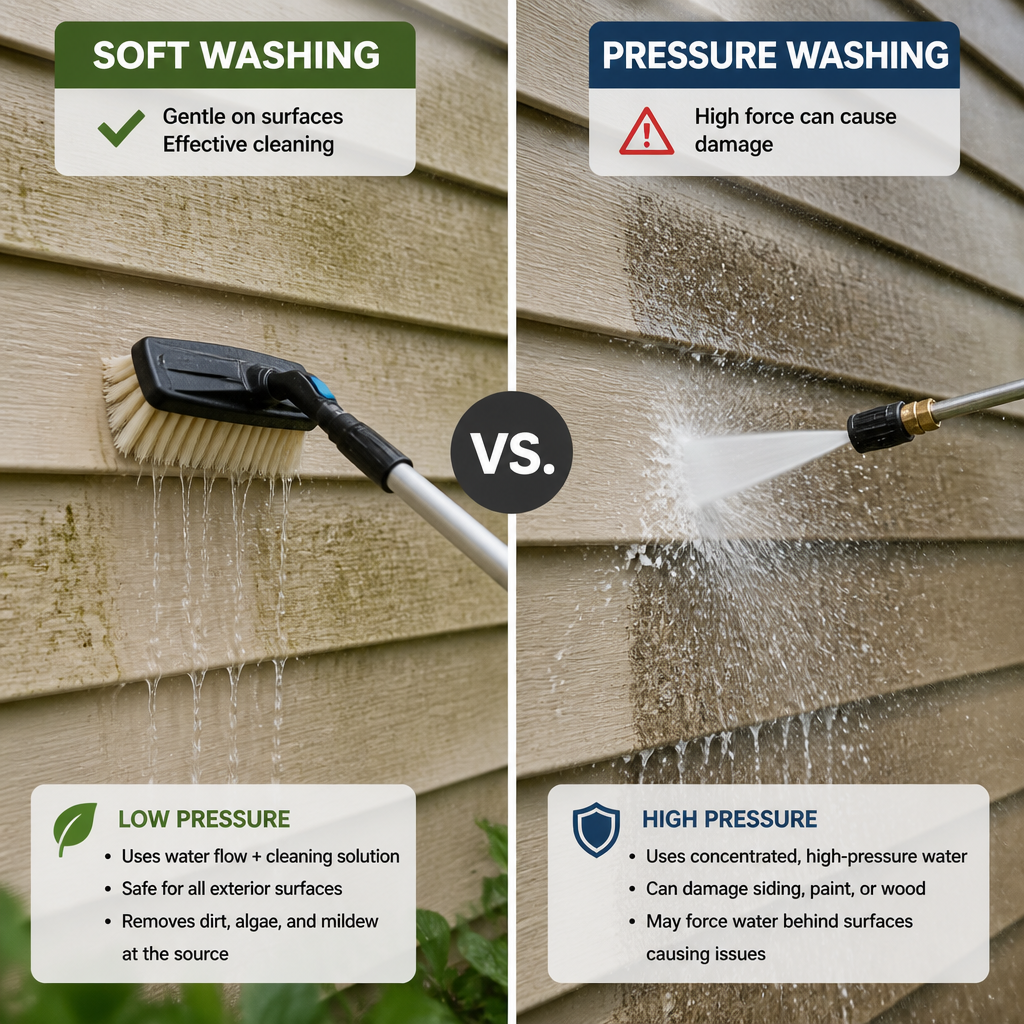
The debate between hand washing and pressure washing siding is not really about effort. It is about physics. Pressure washers used for concrete and interlocking typically run between 1,500 and 3,500 PSI. That water force is exactly what concrete needs and exactly what residential siding does not. A nozzle aimed too close or at the wrong angle on vinyl siding can bend panels, open seams at the joints, and drive water directly into the wall cavity behind.
Pressure washing siding produces damage that does not become visible for a year or two. Driven moisture behind siding, blown-out caulking, and seam separation all emerge long after the cleaner has left.
Hand washing siding for GTA homes means working with soft-bristle brushes, controlled cleaning solution application, and a low-pressure rinse rather than a high-pressure blast. The cleaning agent does the chemical work. The brush provides mechanical agitation. The rinse removes residue without forcing water into gaps.
Why Soft Approaches Clean Just as Effectively
Mildew and algae are biological organisms. They respond to the right cleaning chemistry, not to raw water force. A properly formulated, diluted cleaning solution applied with a soft brush and left to dwell for a few minutes will break down organic growth more thoroughly than blasting water at it. The pressure approach removes visible growth on the surface but often scatters spores rather than neutralizing them, which means regrowth happens faster.
In practice, hand washing also allows the technician to feel surface anomalies, loose panels, or areas where caulking has already started to lift. A pressure washer operator standing at a distance cannot detect these issues. The up-close, hands-on approach to home exterior washing in Oakville doubles as an inspection, not just a clean.
Pro tip: If a cleaning company quotes you a siding job and does not ask about your siding material type before pricing it, that is a sign they apply the same method to everything. Ask specifically whether they use high-pressure or low-pressure methods on siding panels before booking.
Siding Types Common in Oakville and What Each One Needs
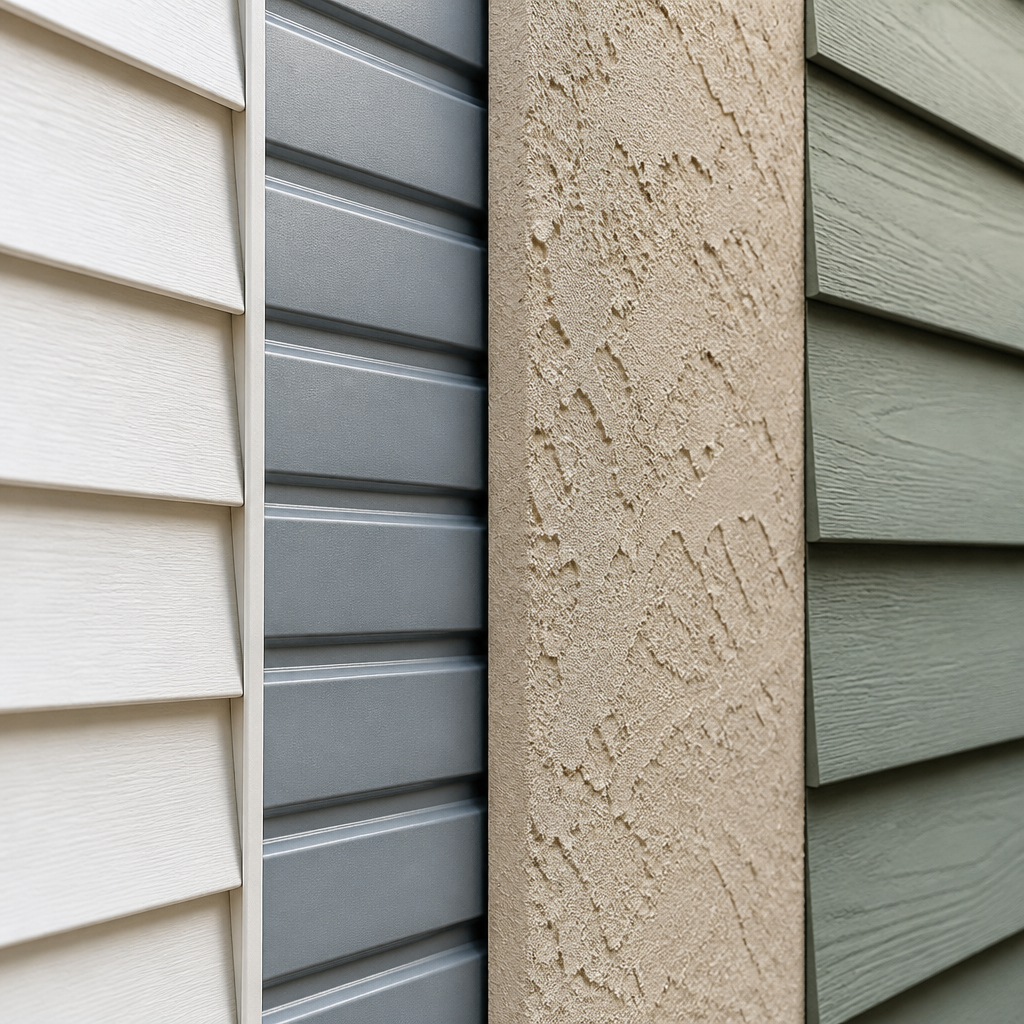
Oakville homes span a wide range of ages and architectural styles. The siding materials reflect that variety. Older neighbourhoods near the lakefront tend to feature wood, aluminum, and brick. Newer subdivisions north of the QEW are more likely to have vinyl, fiber cement, and composite materials. Each one requires a different approach.
Vinyl Siding
The most common siding across the GTA. Vinyl is durable but not invulnerable. High-pressure washing can crack panels, widen seam gaps, and force water into wall assemblies. The correct approach is a mild detergent wash with a soft brush, followed by a low-pressure rinse from the top down. Never spray upward under panel overlaps.
Aluminum Siding
Older aluminum siding, common in established Oakville neighbourhoods, oxidizes over time and develops a chalky surface residue. That chalking requires a slightly stronger cleaning solution and longer dwell time to lift properly. High-pressure settings risk denting thinner panels. Hand washing with appropriate chemistry removes the oxidation without mechanical damage.
Fiber Cement and Wood Siding
Both materials carry a painted or sealed finish that is far more vulnerable than the substrate beneath it. Aggressive pressure washing removes paint. Once paint lifts from fiber cement or wood, the substrate is exposed to moisture, and the damage compounds quickly. Hand washing is the only sensible approach for maintaining the finish on these materials between repainting cycles.
Stucco and Brick
Stucco is particularly deceptive. It looks solid but is porous, and high-pressure water can work into hairline cracks and expand them. Brick itself is durable, but the mortar joints between bricks are not. Low-pressure hand washing with appropriate cleaners treats both surfaces without compromising the mortar.
The Hand Washing Process Step by Step
Understanding what a proper siding wash actually involves helps homeowners evaluate whether a company is doing the job correctly. A rushed visit that skips steps is not the same service, regardless of what it says on the invoice.
Preparation Before the First Drop of Water
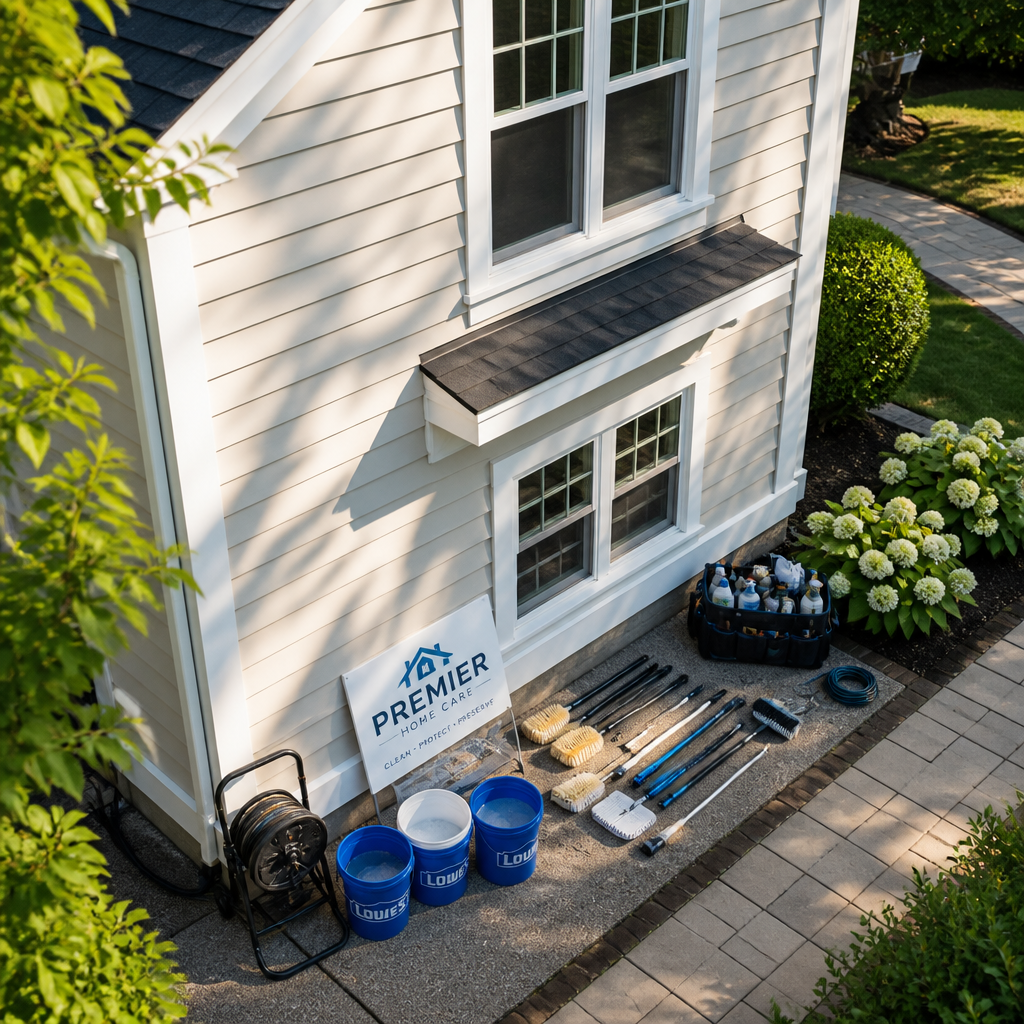
A proper hand washing job starts before any cleaning solution is mixed. Planters, outdoor furniture, and landscaping near the base of the house are moved or covered. Electrical outlets, outdoor light fixtures, and hose bibs are checked and covered if needed. Windows and doors are confirmed closed. This preparation step protects against both chemical contact and water infiltration.
Pre-Rinse and Solution Application
A light pre-rinse with a garden hose or low-pressure wand removes loose surface debris, dust, and spider webs. Cleaning solution is then applied from the bottom of each wall section upward. This prevents streaking caused by solution running down over dry, dirty surface below. The solution is left to dwell long enough to break down biological growth.
Brush Agitation and Final Rinse
Soft-bristle brushes work the solution into the surface in controlled, overlapping strokes. Problem areas with heavier staining, algae concentrations, or spiderweb residue get additional attention. The final rinse runs top-down with controlled low-pressure water, pushing all loosened material off the surface and away from the foundation. The technician then inspects each panel section for missed spots before moving to the next wall face.
Pro tip: After siding washing, have your eavestroughs inspected. Cleaning debris off siding often reveals that gutters are collecting organic matter that drips back down during rain. Addressing both in the same service visit prevents the siding from re-soiling within weeks.
Cleaning Method Comparison
Homeowners evaluating their options often encounter three approaches: high-pressure washing, soft washing with chemical solution only, and hand washing with solution plus brush agitation. Each has a different risk profile and appropriate use case.
| Cleaning Method | Best For | Risk to Residential Siding |
|---|---|---|
| High-Pressure Washing (1,500-3,500 PSI) | Concrete driveways, unpainted brick, interlocking stone | High. Can crack vinyl, dent aluminum, strip paint from fiber cement, drive water behind panels, and damage caulking. |
| Soft Washing (chemical solution, low-pressure rinse under 500 PSI) | Vinyl siding, stucco, roofs, painted surfaces | Low to moderate. Effective chemical cleaning without mechanical damage. Best for surfaces with lighter soiling. |
| Hand Washing (solution + soft brush + low-pressure rinse) | All residential siding types including aluminum, fiber cement, wood, vinyl | Very low. Controlled agitation removes embedded dirt and biological growth without risking panel or finish damage. |
How Often Should Oakville Homeowners Wash Their Siding
For most Oakville homes, once per year is the practical baseline. Homes shaded by mature trees, in low-lying areas that stay damp longer, or on north-facing lots that receive limited direct sun will benefit from twice-yearly cleaning. The north and west faces of any house in the Oakville area tend to accumulate more biological growth because they dry out more slowly after rain.
Spring is typically the highest-priority cleaning window. Winter leaves behind salt residue, road film, and the organic debris from fall that has been sitting wet under snow for months. Getting that off before summer heat arrives prevents it from baking into the surface. Fall cleaning before the first frost is the second priority, clearing out summer’s algae accumulation before cold weather sets in.
The cost calculation matters here. A professional hand washing siding GTA service done annually is a fraction of what a single siding repaint or panel replacement costs. Siding that is allowed to accumulate years of biological growth and surface breakdown does not last as long as maintained siding. That is not a sales point. It is basic materials science: algae and mildew secrete acids that gradually degrade surface coatings when left in contact long enough.
What to Look for in a Siding Washing Company
Not every exterior cleaning company that offers siding washing in Oakville is applying the same method or level of care. Evaluating a company before booking requires asking a few direct questions that reveal whether they actually differentiate their approach by material and surface type.
Questions Worth Asking Before You Book
Ask what PSI they use on siding specifically. If the answer is a high number without qualification, or if they cannot tell you, that is a red flag. Ask whether they pre-treat with a cleaning solution or just rinse. Ask how they protect plants, landscaping, and electrical fittings. These are not trick questions. A company with real process knowledge answers them easily.
What Experience Since 2008 Actually Means in Practice
Performance Window Cleaning has been operating in Oakville since 2008. That kind of operating history matters for siding work because the damage from wrong methods takes twelve to eighteen months to surface. Companies that do not last do not carry the reputational consequence of damage they caused. A company with a long track record in the same service area has had to stand behind its work through all of those delayed consequences. That accountability shapes how careful the approach is from the start.
Performance Window Cleaning handles siding cleaning across brick, timber, vinyl, and stucco surfaces, combining it with window cleaning, eavestrough cleaning, and pest removal services so the entire exterior is addressed in one coordinated visit. That matters for Oakville homeowners who want consistent results across every visible surface, not a patchwork of separate contractors who never see the full picture.
Frequently Asked Questions
Is hand washing siding really better than using a pressure washer?
For residential siding, yes. Pressure washing uses water force to do the cleaning work, which creates real risk of panel damage, water infiltration behind siding, and caulking failure around windows. Hand washing uses a combination of cleaning chemistry and soft brush agitation to break down dirt and biological growth without the mechanical risks. The result is a thorough clean that does not compromise the surface or the building envelope.
What types of siding can be hand washed in Oakville?
All common residential siding types in Oakville respond well to hand washing. This includes vinyl, aluminum, fiber cement, wood, stucco, and brick veneer. Hand washing is particularly important for aluminum with oxidation chalking, painted fiber cement where finish integrity matters, and older wood siding where paint adhesion may already be reduced by age.
How long does a professional siding washing job take?
For a typical two-storey Oakville home, a thorough hand washing job by an experienced crew takes roughly two to four hours depending on the home’s footprint, the number of storeys, and how much organic growth has accumulated. Homes with extensive tree canopy or several years of deferred cleaning will take longer. The job should not be rushed, particularly the dwell time for cleaning solution on biological growth.
Can siding washing remove spider webs and wasp nests?
Yes. Hand washing done properly removes spider webs, egg sacs, and wasp debris from siding, eaves, and entrances as part of the cleaning process. Performance Window Cleaning also offers dedicated spider spray and bee and wasp dusting services that address active infestations, which is a practical complement to siding washing since newly cleaned surfaces become new web-attachment points if the underlying pest activity is not treated.
How soon after siding washing can I have my windows cleaned?
The two services work best done together or in the same visit. Siding washing produces some water runoff and splash onto adjacent windows. Doing window cleaning after siding washing is complete means windows get cleaned in their final state rather than being cleaned first and then splashed. Performance Window Cleaning combines both services in coordinated visits precisely because sequencing them correctly produces the cleanest overall result.
Does siding washing protect against future algae growth?
A professional cleaning removes the existing colony of algae or mildew and eliminates the organic matter those organisms feed on. Depending on the cleaning solution used, there can be a residual effect that slows regrowth. However, no single wash eliminates regrowth permanently, particularly on north-facing or shaded surfaces in Oakville’s humid climate. Annual washing keeps biological growth from establishing the hold that makes it progressively harder to remove.
Is it worth washing siding before selling a home?
Absolutely. A home’s exterior is the first thing a potential buyer sees in person and in listing photographs. Stained, dingy siding signals deferred maintenance even when the structure is sound. A professional siding wash before listing photographs are taken and before open houses improves first impressions and removes an easy objection for buyers evaluating whether the home has been properly maintained. The cost of a professional wash is a small fraction of what a price reduction for perceived poor condition would cost a seller.
Have you noticed specific areas of your Oakville home where siding seems to accumulate more grime or growth? Share your experience below and let us know what cleaning approach has worked best for you.
References
- Detailed breakdown of how power washing can damage vinyl siding and what conditions cause it
- GTA power washing and soft washing cost guide with method comparisons for residential siding
- Overview of siding materials used in Oakville and the climate challenges they face
- Step-by-step guide to washing aluminum siding safely using low-pressure and hand cleaning methods
- Guidance on how often different siding materials should be washed based on material type and conditions