
If you have noticed more spiders on your porch, in basement corners, or strung across the top of the garage door this month, you are not imagining it. Fall is when spider spray in St. Catharines gets busiest, because cooler nights push spiders and the insects they feed on toward warm houses. A fall treatment can cut the activity you see around your home, but only if you know what the visit includes, what it cannot fix, and how to prepare. This guide covers exactly that, based on the work our crews do across St. Catharines every autumn.
Table of Contents
- Quick Takeaways
- Why Spider Activity Peaks in St. Catharines Each Fall
- What a Fall Spider Spray Visit Actually Involves
- What Spider Spray Will Not Fix
- Preparing Your Home Before the Technician Arrives
- Comparing Spider Control Approaches for Your Home
- Timing Your Fall Treatment in Ontario
- Choosing a Spider Spray Provider in St. Catharines
- Frequently Asked Questions
- References
Quick Takeaways
| Key Insight | Explanation |
|---|---|
| Book while spiders are still moving outside | A perimeter spray works best while activity is still visible around the foundation, eaves, and door frames. Booking in mid-to-late October still gives you a useful window before the coldest weather arrives. |
| A real visit includes web and egg sac removal | Spraying over old webs leaves dead silk and spiders in place. Ask whether clearing webs and egg sacs from eaves and window frames is part of the price. |
| Some spiders will remain indoors for a while | Spiders already inside, or dying slowly in wall voids, will not vanish the day of the visit. Expect the indoor count to drop over days and weeks, not overnight. |
| Porch lights decide how fast spiders return | Spiders follow insects. Switching exterior bulbs to warm tones and running them only when needed cuts the moths and gnats that bring spiders back. |
| Clear the foundation line before the crew arrives | Move planters, firewood, bins, and patio furniture about a metre away from the walls. Crews cannot treat the base of the house if it is blocked. |
| Keep pets and children off treated surfaces until dry | Most applications need a few hours to dry. Follow the technician’s instructions, and ask for the product name so you can keep it on file. |
Why Spider Activity Peaks in St. Catharines Each Fall
Most spiders you notice in October hatched in the spring and spent the summer outdoors, small enough to go unnoticed. By late summer they reach full size, and the males leave their webs to wander in search of mates. That wandering is why a spider crossing your kitchen floor at night seems to appear out of nowhere.
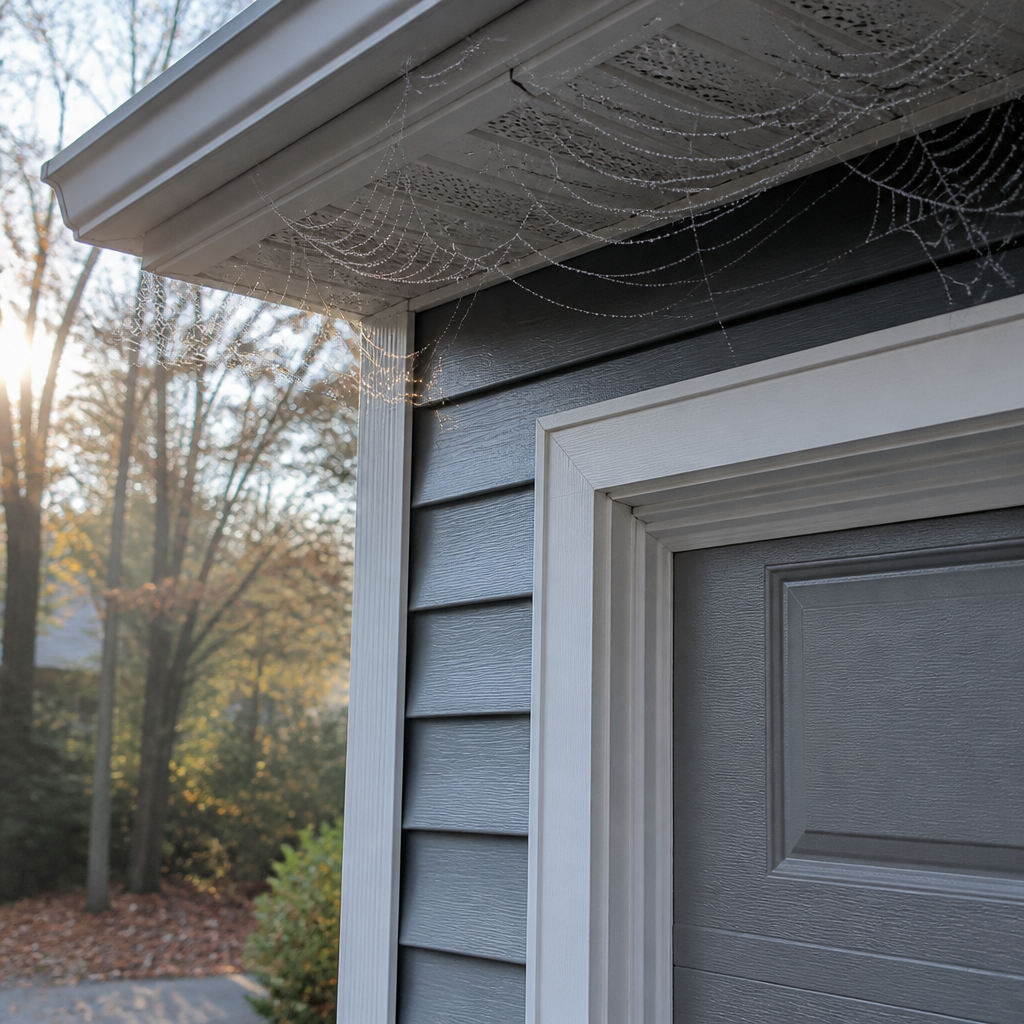
Cooler nights across St. Catharines push the same movement toward heated buildings. Spiders go where their prey goes, so a busy fall for spiders usually means a busy fall for flies, moths, and gnats around your house as well. If you see webs building above exterior lights, you are looking at a feeding station, not bad luck.
Why Garages and Basements Get Hit First
Garages, sheds, and basements stay warm and dim, and they often have gaps around doors, utility lines, and foundation vents. These are the first spaces our crews check when a homeowner says spiders appeared “suddenly.” A single open garage door at night can bring in more activity than the entire front porch.
The Difference Between a Nuisance and a Pattern
One spider on a wall is rarely worth a service call. Webs that rebuild within days in the same corner, egg sacs on siding, or spiders coming through the same door each evening point to a steady supply, and a single spray will not stop that supply from returning. Treat the pattern, not the individual spider.
Keep a simple note of where you see activity for two weeks before booking. A list like “front door at night, dryer vent, garage ceiling” gives a provider far more to work with than “spiders everywhere.”
What a Fall Spider Spray Visit Actually Involves
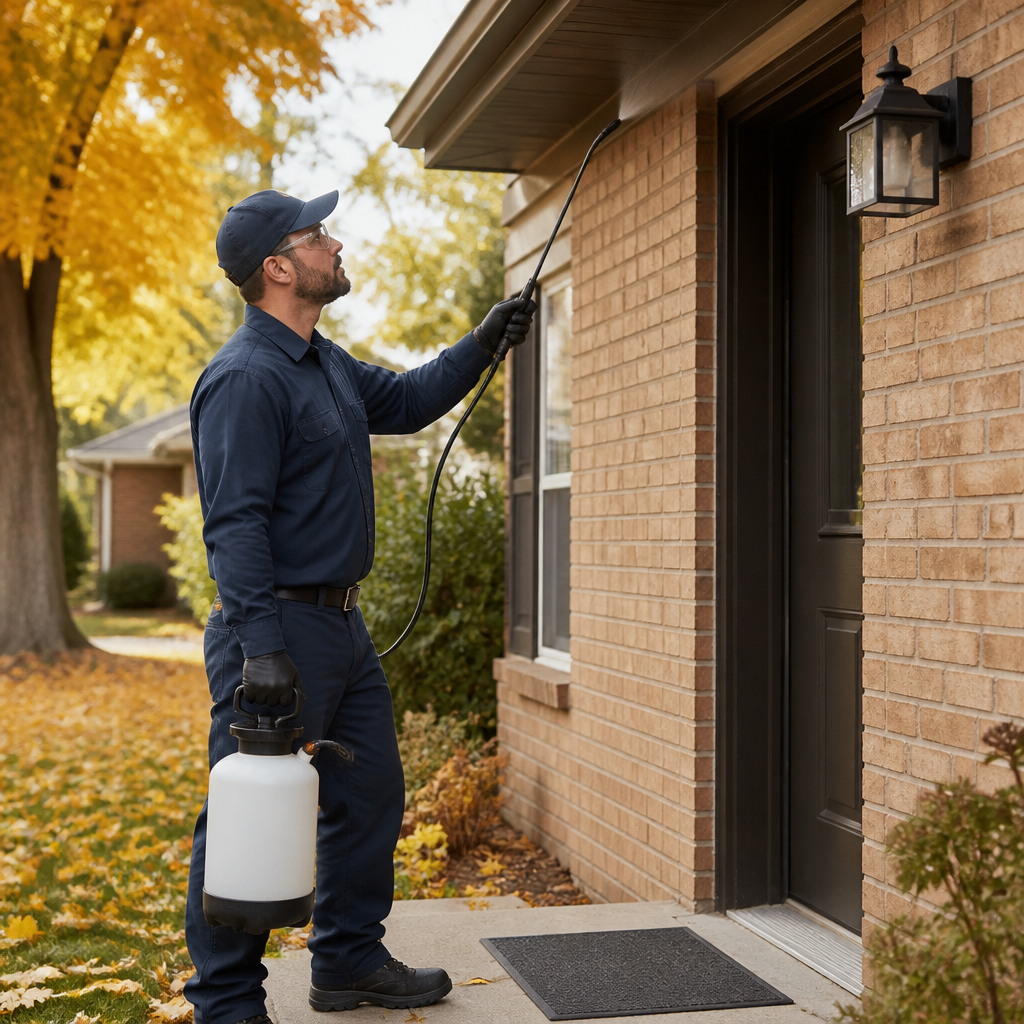
A properly run visit starts with a walk around the exterior before anything is sprayed. The technician looks at the foundation, door thresholds, eaves, soffits, window frames, and anywhere a light fixture or downspout meets the wall. That inspection shows where the activity is concentrated and where the application belongs.
Expect the crew to explain what they are seeing, not just to start spraying. If they cannot point to specific entry points or heavy webbing, ask them why the treatment area is where it is. Clear answers are a good sign, and vague answers usually mean the visit will be generic.
Inspection and Entry Points
Tight gaps around siding, dryer vents, hose bibs, and cable entries are typical hiding spots. Point out anything you have already found, such as a crack above a patio door, because that tells the technician where you see activity most often. Your observations shorten the inspection and sharpen the result.
Pro tip: Ask the technician to show you the treated areas before they leave. You will know exactly where to look if webs reappear, and you can confirm the crew covered the spots you flagged.
Perimeter Application
The main treatment is a perimeter application along the base of the house, around doors and windows, and in the upper corners of the eaves where webs collect. The product goes onto the surfaces spiders use as they move, not into the air at random. Good crews also treat foundation vents and garage door tracks where they are present.
Web and Egg Sac Clearing
Webs and egg sacs should come down before or during the application, not after. Spraying over old webs leaves dead spiders and silk in place, which can look worse on siding than before the visit. A vacuum with a hose attachment does most of this work on eaves and window frames, and it removes egg sacs that a spray will not reliably reach.
What Spider Spray Will Not Fix
A fall treatment is good at reducing the spiders that move across your exterior and into the perimeter zone. It is not a cure for a home with a constant supply of insects, open gaps, or spiders already settled inside wall voids. Setting that expectation at the start prevents most of the complaints we hear in the weeks after a visit.
Spiders Already Indoors
Some spiders will still be visible inside for days or weeks after treatment. A few were already in the house before the visit, and others die slowly rather than instantly. Vacuum floors, baseboards, and corners, then expect the count to fall gradually.
The Food Problem
If your porch light draws moths every night, spiders will keep arriving no matter how well the perimeter is treated. Warm-toned bulbs and fixtures that run only when you need them cut the attraction. Sealing gaps around doors and screens also reduces the insects that spiders follow inside.
Spider activity is a symptom. The treatment handles the part you can see, and the house has to handle the rest through sealing and light management.
Why Webs Return
Even a good application will not stop every web from rebuilding. New spiders can walk in from neighbouring yards, and wind-blown silk lands in the same corners again. A new web in a corner treated a month ago is normal. A dozen new webs across the whole house within two weeks is a signal to call your provider.
Preparing Your Home Before the Technician Arrives
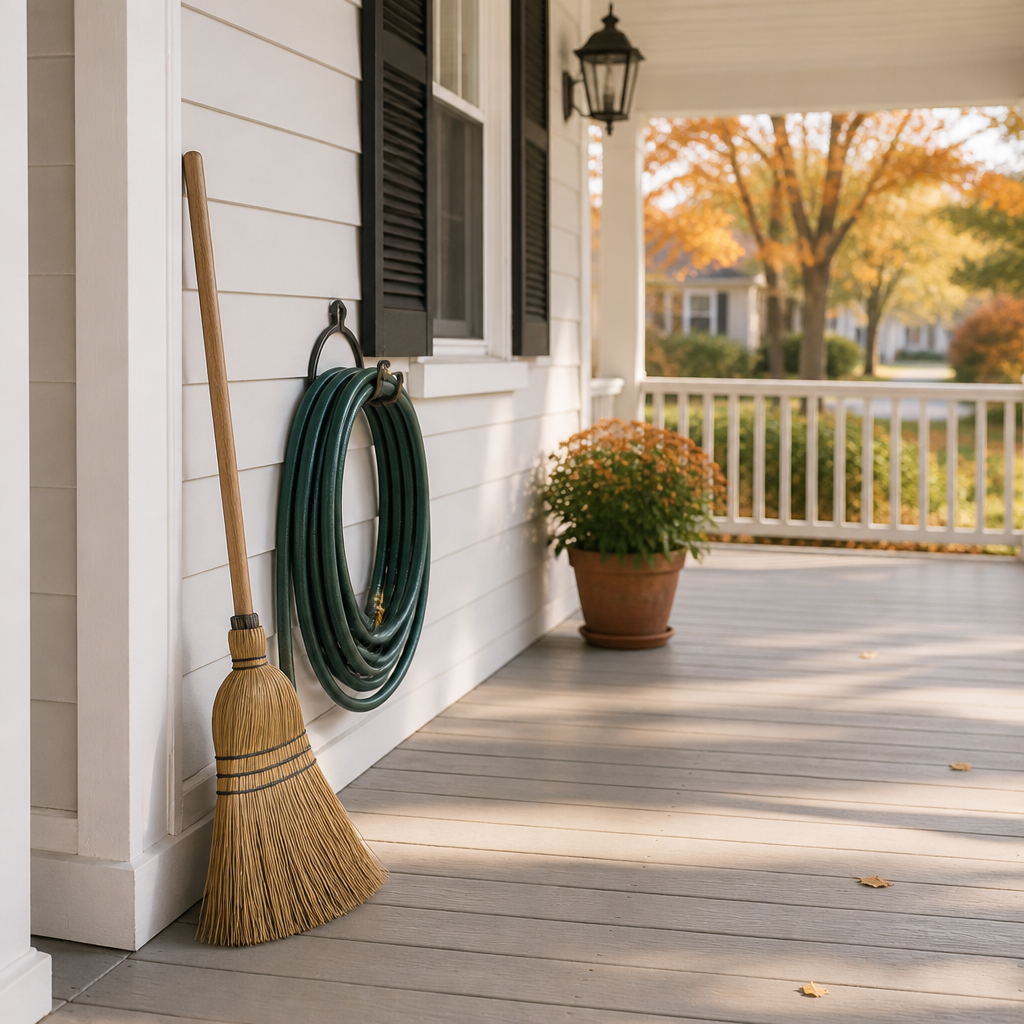
Most of the preparation is simple, and it matters more than people expect. A crew that has to move a dozen planters and a stack of recycling bins before reaching the foundation spends less time treating the parts of the house that need it. Clear access is the single biggest thing you can do before the visit.
Clear the Foundation Line
Move patio furniture, planters, firewood, and bins at least about a metre away from the walls. Trim shrubs that touch the siding, since spiders use them as bridges to the house. Leaving these in place does not cancel the treatment, but it often means the crew can treat less of the wall.
Pets, Children, and Food Areas
Tell the technician about pets and children before the visit, and keep them away from treated areas until the surfaces have dried. Most applications need a few hours, and the label will say what applies to the specific product. Cover outdoor grills, pet bowls, and vegetable beds so they are not exposed to the spray.
Exterior Lights and Garage Doors
Close the garage door when it is not in use, since an open door gives spiders an easy route inside. If you can change a bulb that draws the most insects before the appointment, do it. Small changes like these make the treatment last longer.
Pro tip: Walk the house the night before the appointment with a flashlight. Note every light, door, and gap where insects gather, then hand that list to the technician. It can save you a second visit.
Comparing Spider Control Approaches for Your Home
Homeowners usually choose between a professional perimeter treatment, a do-it-yourself routine, and sealing work they do themselves. Each has a role, but they do different jobs. The table below shows where each one earns its keep and where it falls short.
| Approach | What It Covers Well | Where It Falls Short |
|---|---|---|
| Professional perimeter treatment with web removal | Targets the foundation, door frames, and eave corners where spiders move. Includes clearing webs and egg sacs in the same visit. | Does not seal gaps or change porch lighting. Results fade if the entry points stay open. |
| Do-it-yourself aerosols and sweeping | Handy for a single visible web or spider between professional visits. | Tends to hit what you can see, while eaves and wall voids get missed. Indoor overspraying can leave residue where children and pets spend time. |
| Sealing and light management | Cuts off entry and reduces the insects spiders follow. Lasts for seasons once the gaps are closed. | Does nothing for spiders already inside. Requires caulk, weatherstripping, and bulb changes that many homeowners skip. |
In practice, the best result comes from combining a professional treatment with sealing and light management, not from choosing one method. A DIY routine works well between visits, and sealing prevents the same gaps from becoming an annual problem.
Why the Combination Works
Professional treatment handles the perimeter and hidden corners, sealing cuts off entry, and light changes reduce the food supply. Each one addresses a different cause. If you skip one, the others lose effectiveness over the season.
Where DIY Sprays Usually Fall Short
Store-bought aerosols are aimed at what you can see, so the open webs get the attention while the eaves and wall voids do not. Overspraying indoors also leaves residue on surfaces that children touch. Read the label carefully and follow it exactly, including the ventilation and drying instructions.
Timing Your Fall Treatment in Ontario
Timing matters more than most homeowners expect. Booking too early in September can mean spiders are still building up, and booking too late can mean you are treating after the cold has already moved them indoors. The goal is to treat while exterior activity is still obvious and before the coldest nights arrive.
Mid-October to Early November
For a home reading this in late October, a visit now still fits the practical window. Activity is usually still visible outside, and the crew can treat before the walls and ground become too cold for good coverage. Waiting until after a hard freeze is usually too late to get the full benefit.
Signs It Is Time to Book
Book when you see webs rebuilding on the same corners, egg sacs on siding, or spiders crossing door frames at night. Do not wait for a full infestation. The difference between a light visit and a heavy one often comes down to how long the activity was allowed to build.
What to Do After the Treatment
Once the treatment is done, clear dead webs, check weatherstripping on doors, and note any spots that still need sealing. A spring check is worth scheduling because it catches the early wave. Some spiders that spend winter in sheltered spots become active again as temperatures rise, and a short spring visit keeps the count from rebuilding.
Choosing a Spider Spray Provider in St. Catharines
Choosing a provider for residential spider spray is about asking the right questions, not comparing slogans. Price matters, but a low quote that leaves out web removal or re-treatment often costs more in the end. Use the questions below to get a clear picture before you book.
Questions That Reveal the Real Scope
Ask whether web and egg sac removal is included, which areas get treated, and whether the technician will walk the exterior with you. A written description of the treatment area tells you whether you are paying for a perimeter treatment or a quick spray from the driveway.
Product, Licensing, and Safety Details
Ask which product the technician uses, how long it takes to dry, and whether the technician holds the appropriate provincial pesticide licence. Keep the product name on file, since it helps if a pet or child has a reaction and a vet or doctor needs to know what was used.
Re-treatment and Follow-up Policies
Ask what happens if spiders return within a set period, and whether follow-up is included or billed separately. Be cautious of any provider that promises zero spiders permanently. A fair policy describes what is covered, what is not, and how the crew will respond.
Pro tip: Photograph your foundation, eaves, and garage before the visit. Afterward, compare the photos to see whether the crew covered the spots you flagged. It is a faster way to judge the work than relying on memory.
Frequently Asked Questions
How much does spider spray cost in St. Catharines?
Pricing depends on the size of the home, how many sides need treatment, and whether web removal is included. Ask for a written quote that lists those items so you can compare like with like.
Is spider spray safe for pets and children?
Most homes are safe once the application has dried, but keep children and pets away from treated surfaces until then. Tell the technician about any pets in advance, and ask for the product name so you can share it with your vet if needed.
How often should I have a fall spider treatment?
For most homes, one fall visit plus a spring check covers the season. Homes with heavy insect activity around lights, woodpiles, or wet landscaping may need an extra visit.
Will spiders come back after treatment?
Some will. A treatment reduces what is moving across the exterior, but new spiders can migrate in from neighbouring yards, and insects keep attracting them. Returning webs in the same corners are normal, while a sudden wave across the whole house is worth a call.
Can I handle spider control myself?
You can reduce visible webs and seal gaps yourself, and both help. Aerosol sprays along a foundation usually miss the eaves and wall voids where spiders hide, so a professional visit is the better choice for the perimeter.
Does spider control also cover ticks and mosquitoes?
Tick and mosquito control is a separate service that targets different areas, such as lawn edges and shaded yard zones. Ask whether it is included in your visit or booked as an add-on.
Have you had a fall spider treatment in St. Catharines, or are you thinking about booking one? Tell us what you noticed first and what you wish you had known before the crew arrived.