
Canadian summers are short, and most homeowners underestimate how much exterior damage quietly accumulates between June and September. Clogged gutters overflow onto fascia boards, dirty windows trap heat, algae-stained siding accelerates rot, and wasp nests the size of softballs colonize eaves before anyone notices. A structured summer home maintenance routine is not optional if you want to protect what is likely your largest financial asset. This checklist is built around the real work that exterior cleaning professionals perform every season, so every item here reflects practical priority, not filler advice.
Table of Contents
- Why Summer Is the Right Time for Exterior Home Care
- Quick Takeaways
- Window Cleaning: The Most Visible Summer Task
- Gutter and Eavestrough Maintenance in Summer
- Power Washing Siding, Driveways, and Decks
- Pest and Spider Control for Exterior Surfaces
- Full Home Maintenance Checklist by Priority
- DIY vs. Professional Exterior Cleaning: A Direct Comparison
- Frequently Asked Questions
- References
Why Summer Is the Right Time for Exterior Home Care
Summer is the single best window for exterior home maintenance in Canada, and not just because of the weather. Dry conditions allow power washing to cure properly, warm temperatures mean window cleaning solutions do not streak from flash-evaporation, and extended daylight hours make it practical to inspect every face of your home thoroughly. The Canada Mortgage and Housing Corporation reports that deferred exterior maintenance is one of the top contributors to premature structural deterioration in Canadian residential properties. Waiting until fall to address summer buildup means you are handing problems directly into freeze-thaw cycles, which amplify every crack, gap, and moisture pocket.
In practice, the homeowners who keep their exterior in the best condition are not the ones who do the most work. They are the ones who do the right work in the right order, starting with gutters and siding before addressing surfaces like windows and driveways.
Quick Takeaways
| Key Insight | Explanation |
|---|---|
| Gutters should be cleared twice in summer | Early summer clears spring debris; mid-summer prevents overflow from July storms that damage fascia and foundations. |
| Window cleaning improves energy efficiency | Clean windows allow full solar gain in cooler months. Dirty glass coated in grime reduces light transmission by up to 40 percent. |
| Pressure washing wrong surfaces causes damage | Using high PSI on wood siding or older brick can force water behind cladding, leading to mold and rot within weeks. |
| Spider and wasp nests grow fastest in July | Eaves, window frames, and soffit vents are primary nesting sites. Removal in early summer prevents infestation by late August. |
| Siding should be hand-washed, not just sprayed | Pressure alone does not remove algae or oxidation. Surfactant-based hand washing breaks down biofilm and extends siding life. |
| Interior window cleaning is a summer priority too | Summer humidity causes condensation residue on interior glass. Interior cleaning paired with exterior work gives lasting results. |
| Bundled exterior cleaning packages save money | Scheduling windows, gutters, and power washing in a single visit typically costs 20 to 30 percent less than separate appointments. |
Window Cleaning: The Most Visible Summer Task
Clean windows are the fastest visible upgrade you can make to a home’s appearance, and in summer the conditions are ideal for a thorough job. The challenge for Canadian homeowners is that spring pollen, hard water mineral deposits, and oxidation from UV exposure all compound over winter and spring to leave a film that does not come off with a standard squeegee pass. Professional window cleaning involves a combination of water-fed pole systems for upper stories and hand detailing for frames, sills, and tracks.
A common mistake is cleaning only the glass and ignoring screens, frames, and tracks. Dirty screens redistribute grit back onto the glass within days. Frames accumulate mold and mildew in summer humidity. Tracks become obstacles to proper sealing, which matters when fall arrives and you want airtight windows.
Interior vs. Exterior Window Cleaning
Interior cleaning is often deferred because it feels disruptive, but summer is the ideal time because windows are open frequently, making access easy and drying fast. Interior glass accumulates cooking grease, fingerprints, and condensation residue that exterior cleaning cannot address. A full interior-exterior clean twice per year, typically spring and fall, is the standard recommended cycle for Canadian homes.
Performance Window Cleaning handles both interior and exterior glass as part of their residential packages, which is the most efficient way to schedule this work. Booking both surfaces in one visit means one disruption to your household, one mobilization fee, and a consistent result across every pane.
Pro tip: Schedule window cleaning after any power washing is complete. Overspray and runoff from siding work will dirty fresh glass immediately, which means you are paying for the job twice.
Gutter and Eavestrough Maintenance in Summer
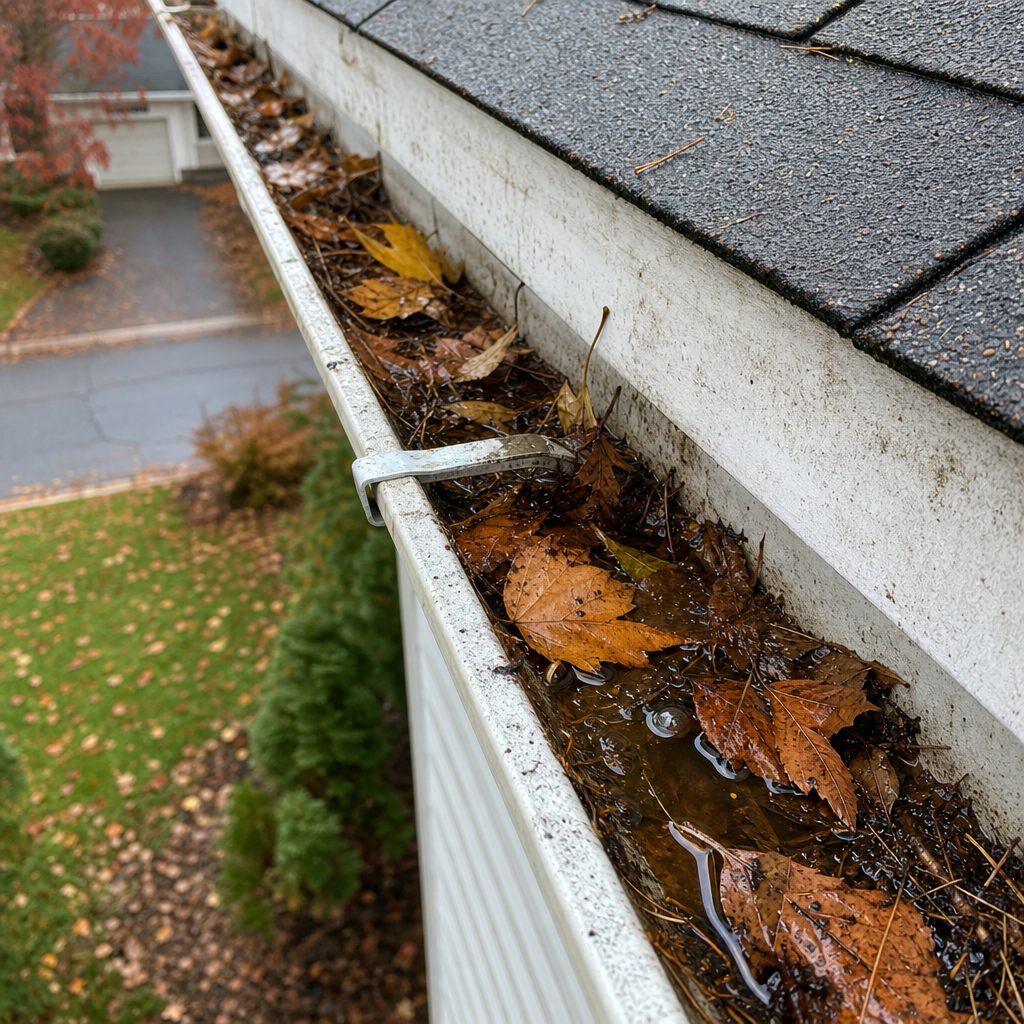
Gutters are the most neglected item on most Canadian home maintenance checklists, and they cause some of the most expensive damage. According to the Insurance Bureau of Canada, water intrusion, much of it preventable through proper drainage maintenance, accounts for a significant portion of residential insurance claims annually. Summer is particularly punishing on eavestrough systems because cottonwood fluff, maple keys, and bird nesting material combine with the tail end of spring debris to create dense blockages that no amount of rain will flush out on its own.
The standard professional approach involves flushing the gutters with water after removing debris to confirm downspouts are clear and draining away from the foundation. Any gutter that pools water after flushing has a slope problem, which is separate from a cleaning problem and requires re-fastening or adjustment.
Downspout Extensions and Foundation Protection
A downspout that terminates at the foundation is a structural liability. Water expelled at the base of a wall during heavy summer storms saturates the soil against your foundation, which is the leading cause of basement seepage in Canadian homes. Extensions of at least two metres are the minimum effective distance. If your property has grade problems, a French drain or redirected extension may be necessary.
Eavestrough cleaning is offered as a standalone or bundled service through Performance Window Cleaning, and it is worth scheduling in early June to reset from spring and again in late August before fall leaf drop begins.
Pro tip: After any significant summer storm, take five minutes to walk your perimeter and check that every downspout is flowing freely. Blockages caused by sudden debris influx are far easier to fix immediately than after weeks of standing water have softened the fascia board behind them.
Power Washing Siding, Driveways, and Decks
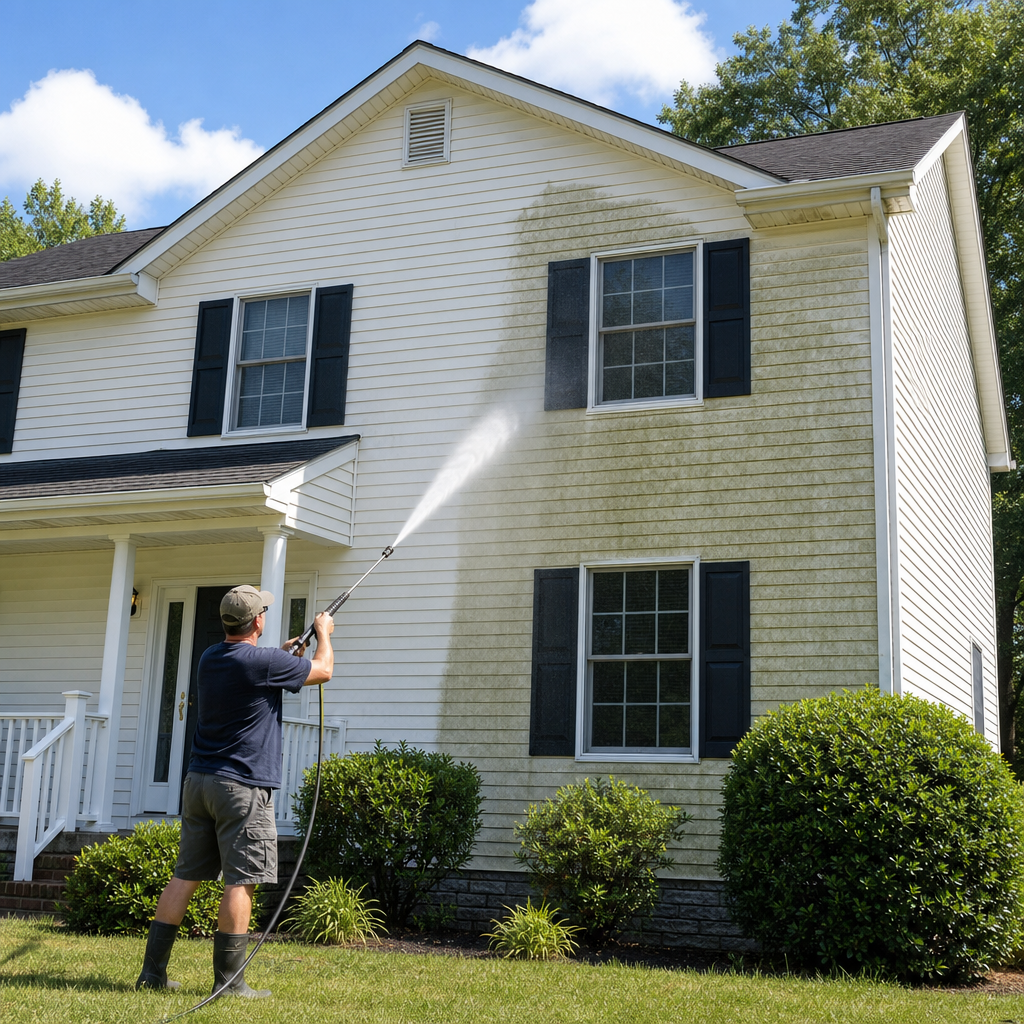
Power washing done correctly is one of the highest-return exterior maintenance tasks you can perform in summer. Done incorrectly, it strips paint, drives moisture into wall assemblies, and damages mortar. The distinction matters, and the data consistently shows that DIY pressure washing damage claims spike in late spring when homeowners rent equipment without understanding PSI thresholds for different surfaces.
“The single most common pressure washing mistake is using too much pressure on the wrong surface. Wood siding should never exceed 1,200 PSI, and vinyl is safest under 1,500 PSI. Concrete driveways can handle up to 3,000 PSI when held at the correct angle.” – General guidance from the Pressure Washing Resource Association
Siding requires a different approach than concrete. Algae and mildew on siding respond to chemistry, not just pressure. A surfactant solution applied with a soft wash technique breaks down organic growth at the surface level without the mechanical force that damages cladding. Performance Window Cleaning uses this hand-washing method for residential siding, which explains why the results last longer than a straight pressure wash.
Deck and Fence Washing Before Staining
Summer is the right season to wash and re-stain a deck, but sequencing matters. The deck surface must be washed and fully dried, typically 48 to 72 hours in summer conditions, before any stain or sealant is applied. Staining over a damp deck traps moisture under the finish and leads to peeling within a single winter. Washing in early July gives you the full summer window to apply finish and let it cure before August heat peaks.
Pest and Spider Control for Exterior Surfaces
Spider webs on eaves, soffits, and window frames are more than an aesthetic problem. Heavy webbing traps moisture against painted surfaces, accelerates oxidation, and creates entry points for moisture when webs are attached to gaps around frames. By mid-July in most Canadian regions, web buildup on south and west-facing exterior surfaces is significant enough to be visible from the street.
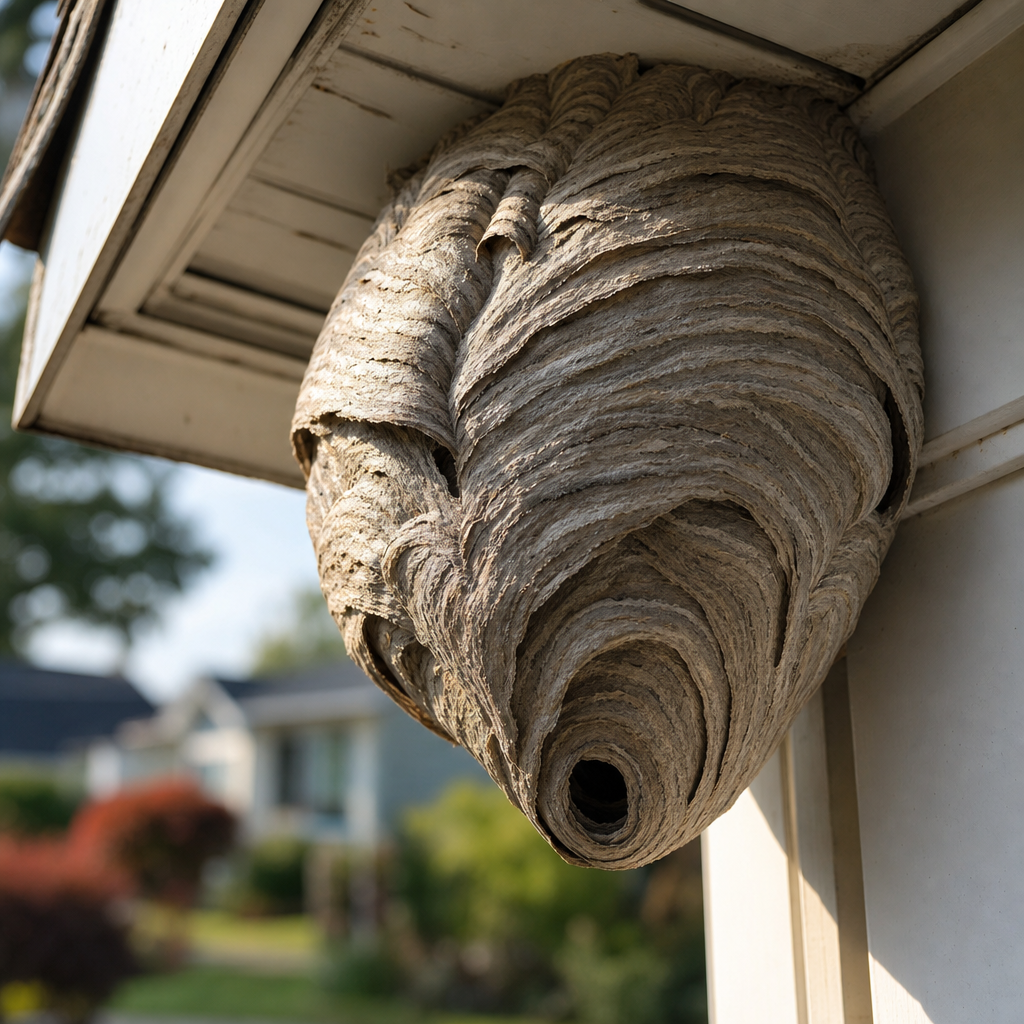
Wasp nests on soffits and under deck railings are a safety concern that most homeowners address too late. A nest discovered in August is fully mature and aggressively defended. A nest found in June is small enough to remove with minimal risk. Routine exterior inspection as part of a summer home maintenance checklist should always include a scan of eaves, vents, and any sheltered cavity on the exterior.
Spider Spraying as a Preventive Service
Professional spider spraying applies a residual treatment to exterior surfaces that deters web-building for weeks. This is distinct from pest extermination and does not require chemical access to the interior. Performance Window Cleaning offers spider spraying as part of their home detailing services, and it pairs naturally with window cleaning because clean frames with no webbing require less frequent re-cleaning.
In practice, homes that receive a spider spray treatment in June require noticeably less touch-up cleaning on exterior glass and frames through the rest of the summer. The residual effect means less maintenance overall, not just fewer spiders.
Full Home Maintenance Checklist by Priority
Below is the sequenced summer maintenance checklist used by professional exterior cleaning companies. Priority is ordered by the potential damage cost of deferral, not by visual impact.
- Priority 1 (June): Gutter and eavestrough cleaning to clear spring debris and confirm downspout flow
- Priority 2 (June): Spider and wasp nest removal while nests are still small
- Priority 3 (June-July): Siding hand-wash or soft wash to remove algae, mildew, and oxidation
- Priority 4 (July): Driveway and deck power washing, followed by stain or sealant application after full drying
- Priority 5 (July-August): Interior and exterior window cleaning, including screens, frames, and tracks
- Priority 6 (August): Entrance and porch detailing, including door frames, light fixtures, and address markers
- Priority 7 (Late August): Second gutter flush before fall leaf drop begins
- Priority 8 (Ongoing): Post-storm perimeter check for drainage blockages and debris accumulation
Homeowners who follow this sequence avoid the most expensive repairs. The items at the top of the list protect structural elements. The items further down protect appearance and comfort. Both matter, but the order ensures you are never trading a cosmetic win for a structural loss.
DIY vs. Professional Exterior Cleaning: A Direct Comparison
The honest answer is that some summer maintenance tasks are appropriate for capable homeowners and some are not. The line is drawn at height, chemistry, and equipment requirements. Here is a direct comparison of the three primary approaches.
| Task | DIY Approach | Professional Service (e.g., Performance Window Cleaning) |
|---|---|---|
| Exterior window cleaning (two-storey+) | Ladder work with squeegee. High fall risk. Streak-prone without professional-grade solution. | Water-fed pole system eliminates ladder risk. Purified water leaves no mineral residue. Frames and tracks cleaned as standard. |
| Gutter cleaning | Manual removal with garden hose flush. Difficult to assess slope or downspout blockages from ladder position. | Full flush with confirmation of flow direction and downspout clearance. Damage noted and reported to homeowner. |
| Siding washing | Consumer pressure washers typically max at 2,000 PSI with no surfactant system. Risk of streaking and surface damage. | Soft wash or hand-wash with commercial surfactants. Appropriate pressure calibrated per surface material. Longer-lasting result. |
| Spider and pest removal | Manual brushing removes webs temporarily. No residual deterrent. Webs return within two weeks in summer conditions. | Residual spray treatment applied to eaves, frames, and soffits. Deterrent effect lasts four to eight weeks per application. |
| Driveway and deck pressure washing | Achievable with rented equipment for ground-level concrete. Risk of surface damage on wood without correct nozzle selection. | Commercial-grade equipment with correct PSI and nozzle configuration per surface. Pre-treatment for oil stains on concrete. |
The honest position: ground-level tasks with low chemical complexity are reasonable DIY projects for a confident homeowner with the right equipment. Anything above the first floor, anything involving surfactant chemistry for siding or concrete, and anything requiring consistent pressure calibration is better handled professionally. The cost difference rarely justifies the risk and result gap.
Frequently Asked Questions
How often should Canadian homeowners clean their windows in summer?
For most residential properties, a thorough interior and exterior clean once in early summer, followed by a touch-up clean in August, is the right frequency. Homes near construction sites, heavily treed lots, or high-traffic roads benefit from a third cleaning. Properties that receive professional spider spraying typically maintain cleaner glass longer and can extend the interval between full cleans.
What is the best time of day to power wash a driveway in summer?
Early morning or late afternoon are best. Direct midday sun causes cleaning solution to dry too quickly before it can break down staining, which leaves residue on the surface. It also makes working conditions uncomfortable enough that rushing becomes a factor, which is where mistakes happen. Overcast days in summer are ideal for pressure washing because the surface stays wet longer, giving treatments more contact time.
How do I know if my gutters need cleaning in summer if I cannot see into them?
The clearest indicator is water spilling over the lip of the gutter during rain rather than flowing through downspouts. Secondary signs include plant growth visible from the ground, sagging sections caused by the weight of wet debris, and rust staining on siding below gutter joints. If you had significant tree pollen or cottonwood fluff in spring and have not cleaned since, assume the gutters need attention regardless of visible symptoms.
Can I pressure wash vinyl siding myself without causing damage?
Vinyl siding can be pressure washed at 1,200 to 1,500 PSI with a wide-angle nozzle, always spraying downward in the direction the panels overlap. Never spray upward into the panels because this forces water behind the cladding. The more significant issue is that pressure alone will not remove algae or mildew from vinyl. Without a surfactant pre-treatment, you are moving surface dirt around rather than eliminating the biological growth that causes discolouration. Professional hand-washing with the right chemistry produces a result that pressure alone cannot match.
Is spider spraying safe around children and pets?
Professional exterior spider spraying products used by licensed cleaning companies are formulated for exterior application only and are applied to surfaces like eaves, soffits, and frames, not to lawns, gardens, or entry points that children and pets contact frequently. The treatment is applied to vertical and overhead surfaces that are not in regular contact zones. Once dry, which typically takes 30 to 60 minutes in summer conditions, the treated surfaces do not pose a contact risk. Always confirm application specifics with your service provider before booking.
What exterior maintenance tasks should be done before listing a home for sale in summer?
In order of curb appeal impact: window cleaning, siding wash, driveway and walkway pressure washing, and gutter cleaning. Real estate agents consistently report that clean windows and freshly washed exteriors create the strongest first impression in listing photographs. Performance Window Cleaning works with property managers and real estate clients who need fast turnaround on full exterior packages before listing dates. A bundled appointment covering all four tasks typically takes four to six hours for an average residential property.
What does your summer home maintenance routine look like, and is there a specific exterior task you have been putting off? Share your experience so other homeowners can learn from what actually works in Canadian conditions.
References
- Canada Mortgage and Housing Corporation: research and guidance on residential property maintenance and moisture management
- National Research Council Canada: building science resources on exterior cladding, drainage, and seasonal maintenance standards
- Forbes Home: expert analysis and cost data on professional home maintenance services for residential properties
- Statista: market data on the home services and exterior cleaning industry in Canada and North America
- Insurance Bureau of Canada: data on residential water damage claims and preventive maintenance guidance for homeowners